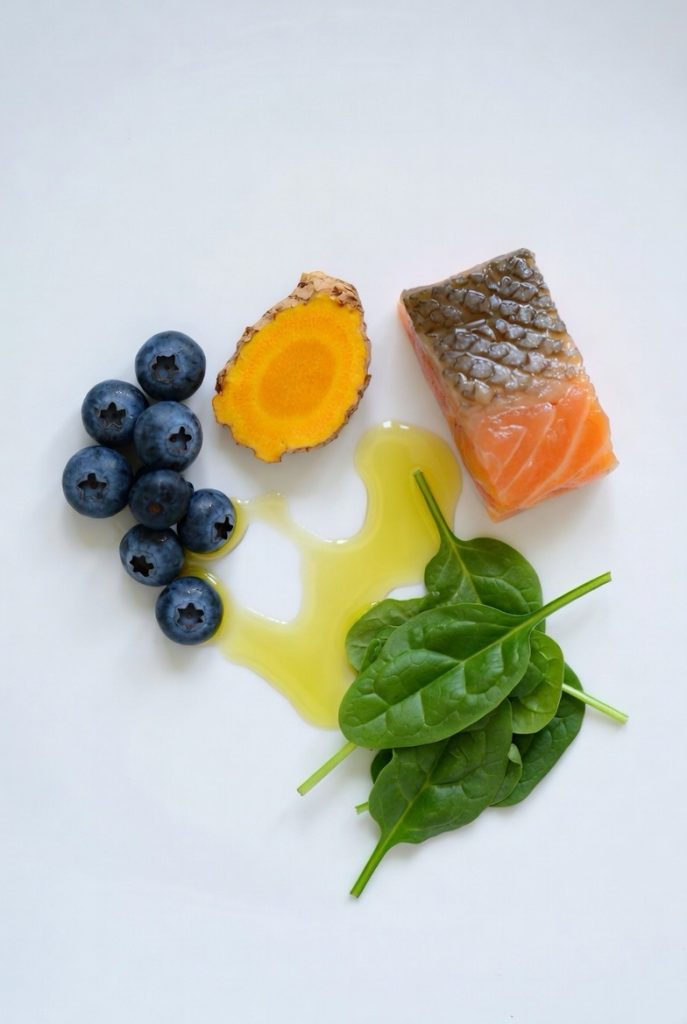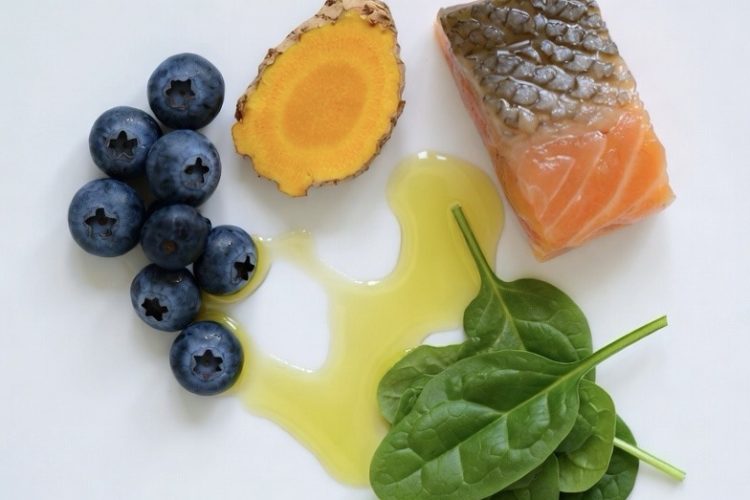
Chronic inflammation drives health issues like heart disease, arthritis, diabetes, and age-related decline (inflammaging) by raising markers such as CRP and IL-6 while increasing oxidative stress. An anti-inflammatory diet helps fight this by focusing on whole, plant-based foods rich in antioxidants, polyphenols, omega-3s (EPA, DHA, ALA), and key compounds like curcumin (turmeric), quercetin (onions, apples), sulforaphane (broccoli), EGCG (green tea), resveratrol (berries, grapes), oleocanthal (extra-virgin olive oil), bromelain (pineapple), and gingerol (ginger). Top foods include berries, leafy greens, cruciferous veggies, fatty fish (salmon, sardines), nuts, seeds, whole grains, fermented foods (yogurt, kimchi), garlic, and green tea. Avoid processed foods, trans fats, and high-sugar items. Patterns like the Mediterranean diet effectively lower inflammation, support gut health, and reduce risks of obesity, cancer, and cognitive decline. Pair foods for better absorption (e.g., turmeric with black pepper) and aim for colorful, varied meals daily for lasting benefits. Consult a doctor for personalized advice.
Long Version
Anti-Inflammatory Foods: A Comprehensive Guide to Reducing Chronic Inflammation Through Diet
Inflammation is a natural response of the immune system to injury or infection, but when it becomes chronic, it can contribute to a host of health issues. Chronic inflammation, often driven by factors like oxidative stress and poor lifestyle choices, has been linked to serious conditions such as heart disease, arthritis, diabetes prevention challenges, and even inflammaging—the low-grade inflammation associated with aging. An anti-inflammatory diet offers a powerful way to fight inflammation, reduce inflammation, and support overall gut health and immune system function by emphasizing whole foods, plant-based options, and nutrient-dense choices while minimizing processed foods.
Understanding Chronic Inflammation and Its Health Impacts
Chronic inflammation occurs when the body’s inflammatory response persists, leading to elevated levels of markers like C-reactive protein (CRP), interleukin-6 (IL-6), and other cytokines. This sustained state can damage tissues and contribute to oxidative stress, where free radicals overwhelm the body’s defenses. Over time, it heightens the risk of heart disease by promoting plaque buildup in arteries, exacerbates arthritis through joint damage, and impairs insulin sensitivity, complicating diabetes prevention. Inflammaging further accelerates age-related decline, affecting cognitive function and increasing vulnerability to noncommunicable diseases. Diet plays a pivotal role here, as certain foods can either fuel this process or help mitigate it by targeting underlying mechanisms.
The Science Behind Anti-Inflammatory Foods
Anti-inflammatory foods work through various mechanisms to curb inflammation. Antioxidants neutralize free radicals, reducing oxidative stress, while polyphenols and flavonoids inhibit pro-inflammatory pathways like the NF-kB pathway and act as natural COX-2 inhibitors. For instance, these compounds suppress the production of cytokines such as TNF-α and IL-6, modulate mitogen-activated protein kinases (MAPK), and enhance the activity of anti-inflammatory mediators. Omega-3 fatty acids, including eicosapentaenoic acid (EPA), docosahexaenoic acid (DHA), and alpha-linolenic acid (ALA), inhibit eicosanoid synthesis and promote resolvins that resolve inflammation. Phytochemicals further support this by influencing epigenetic changes, such as DNA methylation and histone modifications, to downregulate inflammatory genes. Research shows that diets rich in these elements lower inflammatory biomarkers and improve health outcomes.
Key Nutrients and Compounds in Anti-Inflammatory Foods
Several bioactive compounds are central to an anti-inflammatory diet:
- Antioxidants and Polyphenols: These fight inflammation by scavenging free radicals and modulating inflammatory signaling. Examples include resveratrol in grapes and red wine, which inhibits NF-κB and reduces cytokines, and anthocyanins in berries, which activate Nrf2 to combat oxidative stress.
- Flavonoids and Quercetin: Found in onions, apples, and tea, quercetin suppresses NF-κB translocation and reduces IL-6 and TNF-α. Other flavonoids like luteolin in celery and parsley inhibit COX-2 and promote anti-inflammatory macrophage polarization.
- Omega-3 Fatty Acids: EPA and DHA from fatty fish decrease adhesion molecules and T-cell reactivity, while ALA from plant sources like flaxseeds supports similar effects.
- Curcumin: The active compound in turmeric, curcumin blocks NF-κB and MAPK pathways, reducing IL-1β and TNF-α.
- Sulforaphane: In cruciferous vegetables like broccoli, it activates Nrf2 and inhibits NF-κB, lowering IL-6.
- Epigallocatechin Gallate (EGCG): From green tea, EGCG suppresses TLR4 and regulates histone acetylation to decrease proinflammatory genes.
- Beta-Carotene: In carrots and sweet potatoes, it quenches free radicals and supports immune balance.
- Other Compounds: Bromelain in pineapple acts as a COX-2 inhibitor, capsaicin in chili peppers downregulates NF-κB, and gingerol in ginger inhibits cytokines via PPARγ activation. Allicin in garlic reduces NO and PGs, while oleocanthal in extra-virgin olive oil mimics ibuprofen’s anti-inflammatory action.
To enhance bioavailability, pair certain compounds strategically—such as curcumin with piperine from black pepper or fat-soluble antioxidants like beta-carotene with healthy fats for better absorption.
Top Anti-Inflammatory Foods to Incorporate
Focusing on whole foods ensures a broad intake of these compounds. Here’s a breakdown:
- Fruits: Berries (blueberries, strawberries) provide anthocyanins to reduce CRP and oxidative stress. Oranges and cherries offer flavonoids, while pineapple delivers bromelain. Apples and citrus fruits add quercetin and vitamin C for added immune support.
- Vegetables: Leafy greens like spinach and kale are rich in polyphenols and beta-carotene. Cruciferous vegetables such as broccoli and cauliflower supply sulforaphane. Onions and garlic contribute quercetin and allicin, respectively. Add tomatoes for lycopene, which targets oxidative stress, and beets for nitrates that improve blood flow and reduce inflammation.
- Spices and Herbs: Turmeric with curcumin, ginger with gingerol, and chili peppers with capsaicin are potent for inhibiting inflammatory pathways. Cinnamon and rosemary also provide polyphenols that modulate cytokines.
- Fats and Oils: Extra-virgin olive oil contains oleocanthal and polyphenols. Fatty fish like salmon, mackerel, and sardines are sources of EPA and DHA. Avocados offer monounsaturated fats and potassium to balance inflammatory responses.
- Nuts and Seeds: Almonds, walnuts, and flaxseeds provide omega-3s, polyphenols, and fiber to lower IL-6 and TNF-α. Chia seeds and hemp seeds add ALA and protein for sustained energy without inflammation spikes.
- Whole Grains: Oats and brown rice offer fiber that promotes short-chain fatty acids (SCFAs) via gut fermentation, reducing NF-κB. Quinoa and barley provide additional antioxidants and minerals like magnesium, which helps regulate inflammatory enzymes.
- Fermented Foods: Yogurt, kimchi, and kefir supply probiotics and prebiotics that enhance gut health, reduce LPS-induced inflammation, and produce anti-inflammatory SCFAs like butyrate. Sauerkraut and miso contribute similar benefits through diverse microbial strains.
- Beverages: Green tea with EGCG and catechins, and coffee with polyphenols, protect against inflammation. Herbal teas like chamomile or peppermint can soothe digestive inflammation.
Avoid processed foods, trans-fats, and high-glycemic items, as they exacerbate inflammation. Instead, opt for minimally processed alternatives to maintain nutrient integrity.
Effective Anti-Inflammatory Diets
The Mediterranean diet stands out as one of the best for reducing chronic inflammation, featuring abundant fruits, vegetables, whole grains, nuts, fatty fish, and olive oil, with moderate wine and limited red meat. It lowers CRP, IL-6, and TNF-α while improving endothelial function and insulin sensitivity. Plant-based diets emphasize whole foods and minimize animal products, supporting similar benefits through high fiber and phytochemical intake. The DASH diet, rich in fruits, veggies, and low-fat dairy, also reduces inflammatory markers. These patterns promote gut health by fostering beneficial microbiota and SCFAs. For variety, consider incorporating elements from Asian diets, which often include green tea, ginger, and fermented soy products for enhanced anti-inflammatory effects.
Incorporating Anti-Inflammatory Foods into Daily Life
To maximize benefits, aim for a rainbow of produce to ensure diverse phytochemicals. Combine foods for synergy, like turmeric with black pepper to enhance curcumin absorption, or omega-3s with vitamin E. Focus on fermented foods for probiotics and prebiotics from garlic and onions to support the gut microbiome. Start with simple swaps: replace processed snacks with nuts and seeds, or add leafy greens to meals. Build meals around anti-inflammatory staples, such as a berry smoothie with spinach and flaxseeds for breakfast, a salmon salad with olive oil dressing for lunch, and turmeric-spiced stir-fry with broccoli for dinner. Consistency is key, as long-term adherence yields reductions in heart disease risk, arthritis symptoms, and improved diabetes prevention. Track progress by monitoring energy levels, joint comfort, and overall well-being.
Evidence-Based Benefits and Considerations
Studies confirm that anti-inflammatory diets lower the risk of obesity, type 2 diabetes, cardiovascular disease, cancer, and cognitive disorders by modulating inflammation and oxidative stress. For example, higher adherence correlates with reduced colorectal cancer incidence and slower cognitive decline. Emerging research highlights the role of these diets in mental health, potentially alleviating symptoms of depression and anxiety through gut-brain axis modulation. While generally safe, consult a healthcare provider for personalized advice, especially with conditions like arthritis or if taking medications that interact with certain foods, such as blood thinners with high-vitamin K greens. Supplementation can complement but not replace whole foods; focus on dietary sources for optimal synergy.
By prioritizing these foods and diets, you can effectively reduce chronic inflammation, fostering long-term health and vitality.