Tag: science

Q&A

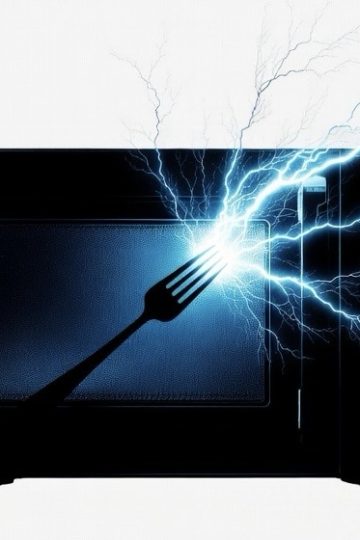
Why Can’t You Put Metal in a Microwave?

Microwaves heat food using electromagnetic waves at about 2.45 GHz that make water molecules vibrate, creating friction and warmth. Metal, being a good conductor, reflects these waves instead of absorbing them, causing the energy to bounce around inside the oven. This reflection builds up strong electric fields, especially at sharp edges or points on items […]
Blog

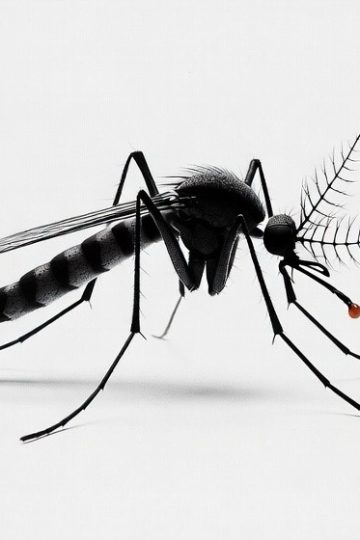
Mosquito Proboscis: Nature’s Painless Needle Secrets

Female mosquitoes have an amazing proboscis—a slender mouthpart with six tiny stylets that work together to pierce skin almost painlessly. Two serrated maxillae saw through the skin, two mandibles spread the wound, the labrum sucks blood, and the hypopharynx injects saliva with anesthetics and anticoagulants to numb the area and keep blood flowing. This clever […]

Stories

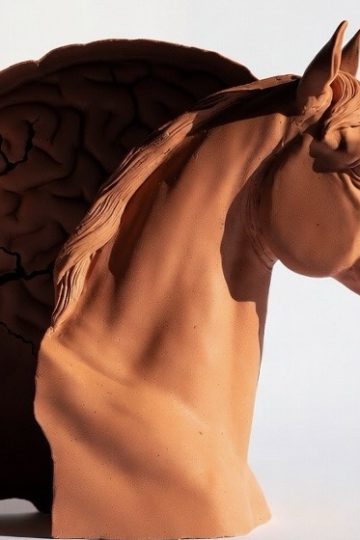
What Is Savant Syndrome? Clemons Story

Savant syndrome is a rare condition where individuals show extraordinary talents in areas like art, music, or memory, despite significant cognitive or developmental challenges, often linked to autism spectrum disorder. Alonzo Clemons, a renowned savant artist, exemplifies acquired savant syndrome: after a childhood brain injury left him unable to read, write, or perform basic tasks, […]

Blog

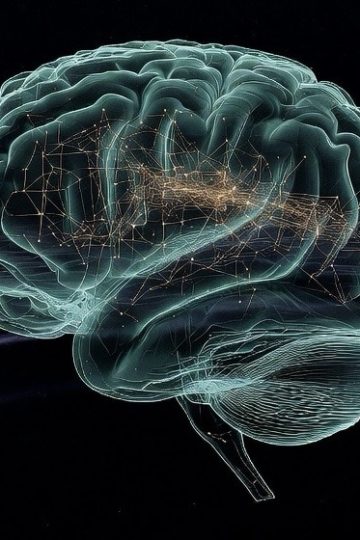
Orch-OR Theory: How Quantum Vibrations Create Mind

The Orch-OR theory, proposed by physicist Roger Penrose and anesthesiologist Stuart Hameroff, explains consciousness as a quantum process in brain microtubules rather than classical neural networks. Tiny protein structures inside neurons host quantum vibrations and superpositions that collapse objectively due to spacetime geometry, creating discrete moments of awareness about 40 times per second. This non-computable […]

Blog

2026 AbLecs Breakthrough: Unmask Cancer for Immunotherapy

In 2026, MIT and Stanford researchers introduced AbLecs—antibody-lectin chimeras that remove the sugar coating (glycans, including sialic acids) cancer cells use to hide from the immune system. By blocking these glycans from binding to Siglec receptors, AbLecs disable glyco-immune checkpoints, exposing tumor-associated antigens and enabling immune cells like macrophages to recognize and destroy tumors. Preclinical […]

Blog

Unconscious Mind: How Brain Generates Thoughts First

Psychology and neuroscience show that your brain generates thoughts unconsciously before you become aware of them, challenging the idea that we fully control our minds. The unconscious mind processes neural impulses from memory, biology, and environment, handling most cognitive tasks through automatic, implicit processing. Up to half of daily thinking is spontaneous, like mind-wandering via […]

Blog

Stressed Out? Smell Your Partner’s Shirt for Relief

Inhaling a partner’s scent triggers a powerful relaxation response by lowering cortisol levels and boosting oxytocin, the “bonding hormone,” which reduces anxiety and improves sleep quality through feelings of emotional safety. This effect, rooted in olfaction, involves the olfactory bulb sending signals to the brain’s limbic system, shifting the autonomic nervous system toward calm and […]

Q&A

Can a Trampoline Catch You from a Plane Fall?

Jumping from a plane and landing safely on a trampoline sounds exciting, but physics shows it’s nearly impossible. In free fall from typical skydiving heights, you reach terminal velocity around 120 mph due to gravity and air resistance, building massive kinetic energy. Hitting a trampoline at that speed creates extreme impact forces and g-forces far […]

Blog

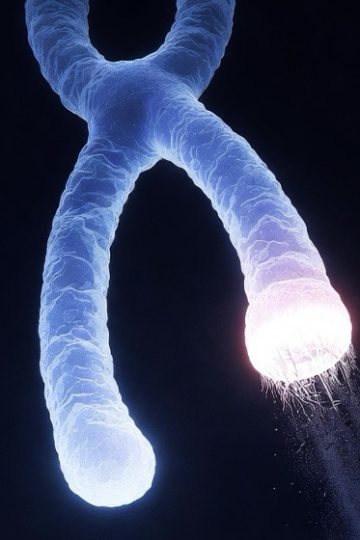
Why Biological Immortality Is Impossible

Biological immortality remains impossible due to fundamental limits in human biology. The Hayflick limit restricts normal body cells to about 50-70 divisions before they enter replicative senescence and stop dividing, acting as a built-in molecular clock. This is driven by telomere shortening—protective caps on chromosomes that erode with each cell division because of the end […]

Blog

Why Kissing Shares 80M Bacteria & Boosts Your Immunity

Kissing isn’t just romantic—it’s a major bacterial exchange. A 10-second intimate kiss transfers about 80 million bacteria through saliva, shaping partners’ oral microbiomes. The oral microbiome includes diverse bacteria on the tongue and in saliva, like Streptococcus, Lactobacillus, and Bifidobacterium, which support digestion and immunity. Studies show couples who kiss frequently (9+ times daily) develop […]