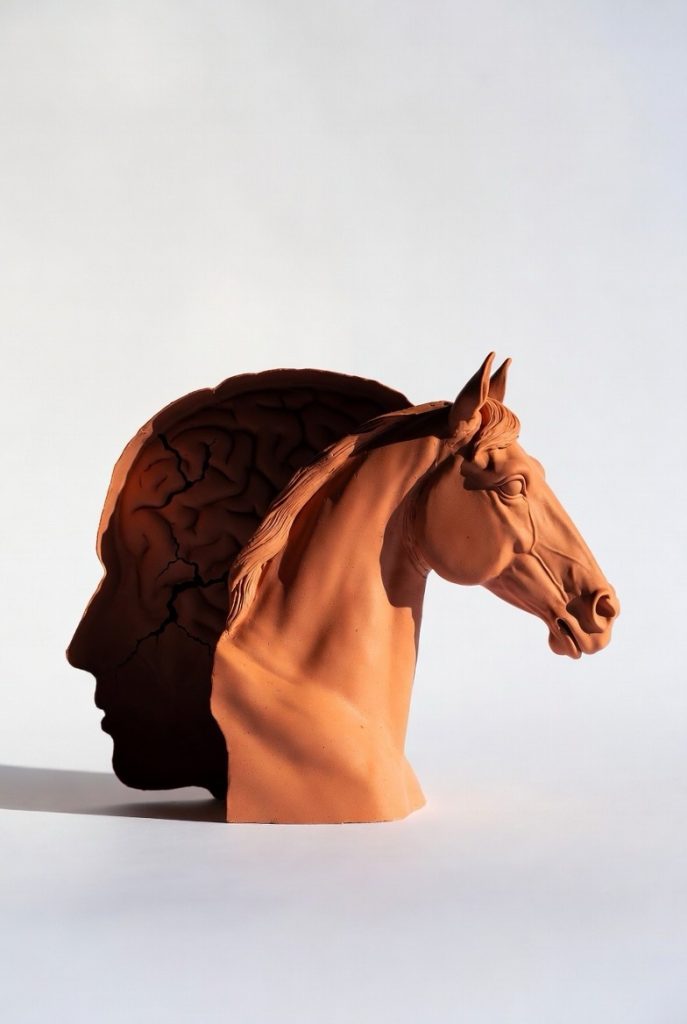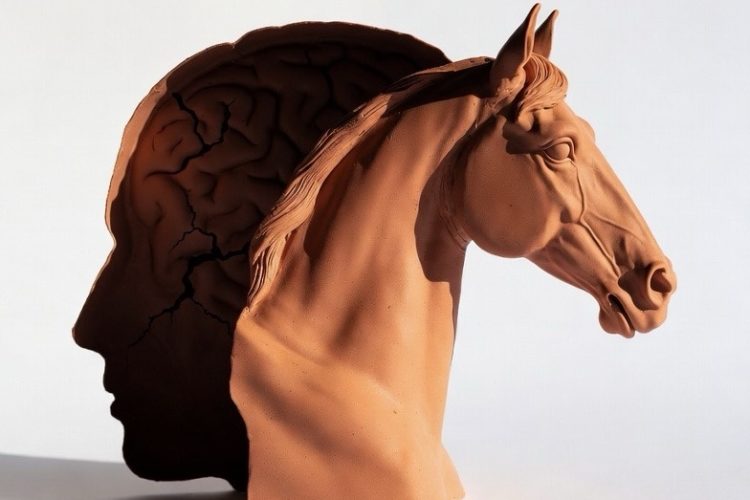
Savant syndrome is a rare condition where individuals show extraordinary talents in areas like art, music, or memory, despite significant cognitive or developmental challenges, often linked to autism spectrum disorder. Alonzo Clemons, a renowned savant artist, exemplifies acquired savant syndrome: after a childhood brain injury left him unable to read, write, or perform basic tasks, he developed remarkable sculpting skills, creating highly detailed animal figures from brief glances in minutes. His story highlights brain plasticity, where injury can unlock hidden abilities. Savant syndrome occurs in about 1 in a million people (higher in autism), with famous examples including Kim Peek (inspiration for Rain Man) and Stephen Wiltshire’s memory drawings. While causes involve atypical brain development or trauma, savant skills remain real and fascinating, as seen in media like The Good Doctor. Clemons’ work continues to inspire, showing the brain’s incredible potential.
Long Version
Unlocking Extraordinary Abilities: The Story of Alonzo Clemons and Savant Syndrome
Savant syndrome represents one of the most intriguing phenomena in neuroscience, where individuals exhibit profound talents in specific areas despite significant cognitive or developmental challenges. Often linked to conditions like autism spectrum disorder (ASD), this condition highlights the brain’s remarkable capacity for adaptation and specialization. At the heart of many discussions about savant syndrome is Alonzo Clemons, a renowned savant artist whose life exemplifies how a childhood brain injury can lead to “superhuman” abilities in sculpting, even as basic skills like reading, writing, or tying shoes remain out of reach. His journey not only captivates those interested in famous savants but also sheds light on broader questions: What is savant syndrome? How does it connect to autism and brain plasticity? And can anyone develop savant syndrome under certain circumstances?
What is Savant Syndrome?
Savant syndrome is a rare condition characterized by exceptional aptitude in one or more domains—such as art, mathematics, music, or memory—contrasting sharply with overall intellectual or developmental limitations. The term “savant” derives from the French word for “knowing,” reflecting the profound knowledge or skill in a narrow field. Historically, it was once called “idiot savant,” but modern terminology emphasizes the prodigious savant aspect to avoid derogatory connotations. Savant skills often emerge early in life, but in cases like acquired savant syndrome, they can develop suddenly following brain trauma or injury.
People with savant syndrome might demonstrate savant abilities like instant calendar calculations, hyper-detailed drawing from memory, or musical virtuosity without formal training. These talents are not merely hobbies; they represent genius-level proficiency that baffles experts. For instance, savant syndrome examples include individuals who can recite pi to thousands of digits or play complex piano pieces after a single hearing. Importantly, savant syndrome and autism frequently overlap, with estimates suggesting that about 10% of individuals with ASD exhibit some form of savant skill, far higher than in the general population.
Brain plasticity plays a pivotal role here—the brain’s ability to reorganize itself by forming new neural connections. In savant syndrome, damage or atypical development in one area may “unlock” enhanced functions in another, compensating for deficits. This neuroplasticity explains why savant syndrome after brain injury can occur, transforming ordinary individuals into prodigies.
The Remarkable Case of Alonzo Clemons: Savant Sculptor Extraordinaire
Alonzo Clemons, born in 1958 in Boulder, Colorado, stands as a prime example of acquired savant syndrome. As a toddler, he suffered a severe head injury from a fall, resulting in developmental disabilities that left him with an IQ around 40 and unable to perform everyday tasks like dressing himself independently. Yet, this same injury sparked an extraordinary talent: the ability to sculpt lifelike animal figures with astonishing accuracy and speed.
Clemons’ savant skills emerged in childhood. He began molding clay into detailed replicas of animals after glimpsing them briefly—sometimes in just minutes. His sculptures, often of horses, bulls, or elephants, capture intricate anatomical details without reference materials or tools beyond his hands. As an autistic savant, Clemons’ work has gained international acclaim; pieces have sold for up to $45,000, and he has exhibited globally. Researchers like Darold Treffert, a pioneer in savant studies, have documented his case, noting how the brain injury likely rewired neural pathways to enhance visual-spatial processing.
Today, in 2026, Clemons continues to create at Access Gallery in Denver, where his art inspires discussions on disability and potential. Recent updates affirm his status as a real-life savant whose story challenges perceptions of intellectual limits. Who is Alonzo Clemons? Not just a savant sculptor, but a testament to the brain’s untapped reservoirs.
Causes of Savant Syndrome
The exact causes of savant syndrome remain elusive, but theories center on atypical brain development or injury. In congenital cases, genetic factors or prenatal influences may predispose individuals, often alongside autism. Savant syndrome and autism share neural underpinnings, such as enhanced perceptual abilities and altered connectivity in brain regions like the left anterior temporal lobe.
For acquired savant syndrome, the trigger is typically trauma, such as a head injury, stroke, or dementia, which disrupts normal brain function but activates dormant talents. This “sudden savant” phenomenon involves compensatory mechanisms where undamaged areas overdevelop, leading to prodigious abilities. What causes savant syndrome in adults? Often, it’s post-trauma rewiring, as seen in Clemons’ case.
Examples of Savant Syndrome in Real Life
Savant syndrome examples abound, illustrating the diversity of talents. Kim Peek, the inspiration for Rain Man, memorized over 12,000 books and calculated dates instantly. Stephen Wiltshire draws panoramic cityscapes from memory after brief helicopter rides. Leslie Lemke, blind and with cerebral palsy, plays piano flawlessly after one listen.
In acquired cases, Derek Amato became a piano virtuoso after a diving accident, while Jason Padgett visualized complex fractals post-concussion. These true savant stories underscore the condition’s unpredictability.
Famous People with Savant Syndrome
Famous savants include Daniel Tammet, who speaks multiple languages and recites pi to 22,514 digits; Ellen Boudreaux, a blind musician with perfect pitch; and historical figures like Blind Tom, a 19th-century pianist. Alonzo Clemons joins this list as a savant artist whose works embody raw creativity.
How Common is Savant Syndrome?
Savant syndrome is exceedingly rare, occurring in about 1 in a million people overall, but up to 1 in 10 among those with autism. Acquired savant syndrome is even scarcer, with only dozens of documented cases worldwide.
Is Savant Syndrome Real? And Can Anyone Develop It?
Yes, savant syndrome is real, backed by decades of research and neuroimaging. While not everyone can develop savant syndrome—requiring specific neural conditions—emerging studies on brain stimulation suggest potential ways to enhance abilities temporarily. However, ethical concerns limit such explorations.
Savant Syndrome in Popular Culture and Recent Trends
From The Good Doctor‘s Shaun Murphy to Rain Man, savant syndrome in media often dramatizes autistic savant traits. In 2026, ongoing research into savant syndrome focuses on neurotech and glutamate mechanisms, potentially linking it to conditions like PANS/PANDAS. Acquired savant syndrome stories continue to inspire, as seen in recent discussions on online platforms, where users share tales of brain injury leading to unexpected genius.
Alonzo Clemons’ legacy endures, reminding us that within every brain lies untapped potential. His savant syndrome case, blending tragedy and triumph, offers profound insights into human resilience and the mysteries of the mind.