Tag: health

Q&A

How Do Alcohol & Smoking Rapidly Drain Your Vitamins?

Alcohol, smoking, and certain medications accelerate vitamin depletion by disrupting absorption, metabolism, and storage in the body. Alcohol damages the liver and gut lining, reducing B vitamins and fat-soluble vitamins like A, D, E, and K. Smoking increases oxidative stress, raising the need for antioxidants such as vitamin C and E. Medications including diuretics, proton […]


Blog

Boost Autophagy & Senolytics: True Rejuvenation Secrets

In the world of biohacking, the “longevity gene” protocol centers on activating sirtuins—key proteins that drive cellular repair, metabolism, and resilience—to extend healthspan. While intermittent fasting effectively triggers autophagy for cellular cleanup, most biohackers fall short by relying on it alone, missing the crucial addition of senolytic nutrients like fisetin, quercetin, and curcumin to clear […]

Blog

Why Autism Rates Are Soaring: CDC Insights Revealed

Autism spectrum disorder (ASD) rates have risen steadily, with recent CDC data showing autism prevalence at about 1 in 31 U.S. children—a shift largely driven by greater awareness, refined diagnostic criteria, and improved early screening rather than a true increase in cases. Historical autism statistics reveal rates climbing from roughly 1 in 2,500 decades ago […]

Blog

Debunk Intermittent Fasting Myths: Live Longer Now

Intermittent fasting, an eating pattern that cycles between fasting and eating windows, offers powerful benefits for longevity by boosting autophagy—the body’s cellular cleanup process—and improving insulin sensitivity, which helps reduce chronic disease risk and supports metabolic health. Contrary to common intermittent fasting myths, moderate protocols like the popular 16/8 method (16 hours fasting, 8 hours […]

Blog

Unlock Calm: Psilocybin Microdosing for Anxiety Relief

Mindful microdosing with psilocybin, the active compound in certain mushrooms, provides a gentle, intentional approach to easing anxiety by using low, sub-perceptual doses every few days. This practice enhances brain neuroplasticity, promoting new neural connections, increasing BDNF, and quieting overactive stress patterns, which research suggests can reduce anxiety symptoms by 30–50% in many cases. Users […]

Blog

What Is Cortisol Face? Symptoms, Triggers & Relief Tips

Cortisol face, the term for facial puffiness and rounded features linked to chronic stress and elevated cortisol levels, is a real phenomenon rooted in science, though often overstated online. High cortisol from ongoing stress can cause fluid retention, fat redistribution, inflammation, and even subtle bone density changes over time, leading to a softer jawline or […]

Blog

7 Habits Aging You Faster Than Sun (Surprise in #4!)

While sun exposure is a well-known culprit in premature aging, certain everyday habits can accelerate the process even faster by damaging skin and cells from within. A high-sugar diet triggers glycation, forming compounds that stiffen collagen and cause wrinkles; chronic stress raises cortisol levels, breaking down elasticity and shortening telomeres; excessive blue light from screens […]

Blog

Does Internal Shower Really Detox Your Gut?

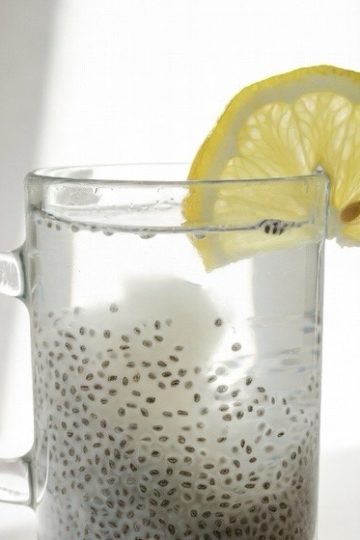
The internal shower drink—a simple mix of chia seeds, lemon juice, and water—has become a popular viral gut health hack, praised on social media for easing bloating, relieving constipation, and promoting regularity. While it doesn’t truly “detox” the body (your liver and kidneys naturally handle that process), the drink works by delivering a concentrated dose […]

Blog

Are Bioengineered Ingredients Bad? Real Dangers Exposed

Many consumers grow wary upon spotting “bioengineered ingredients” on food labels, viewing them as synonymous with GMO foods or genetically modified foods that have fueled decades of debate. These crops, engineered for traits like pest resistance and higher yields, appear in most processed products, yet widespread concerns persist over potential health risks—including glyphosate residues classified […]

Q&A

Is Vaping Really Toxic from Heated E-Liquids?

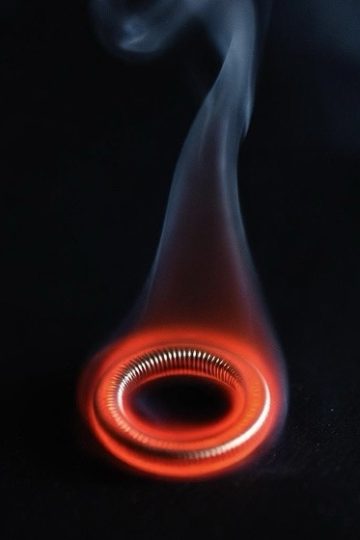
Vape e-liquids, mainly composed of propylene glycol (PG) and vegetable glycerin (VG), break down when heated in e-cigarettes, producing harmful volatile carbonyl compounds like formaldehyde, acetaldehyde, and acrolein. These toxins form through thermal decomposition at high temperatures, often above 200°C in vaping devices, and can irritate the lungs, increase cancer risks, and contribute to respiratory […]