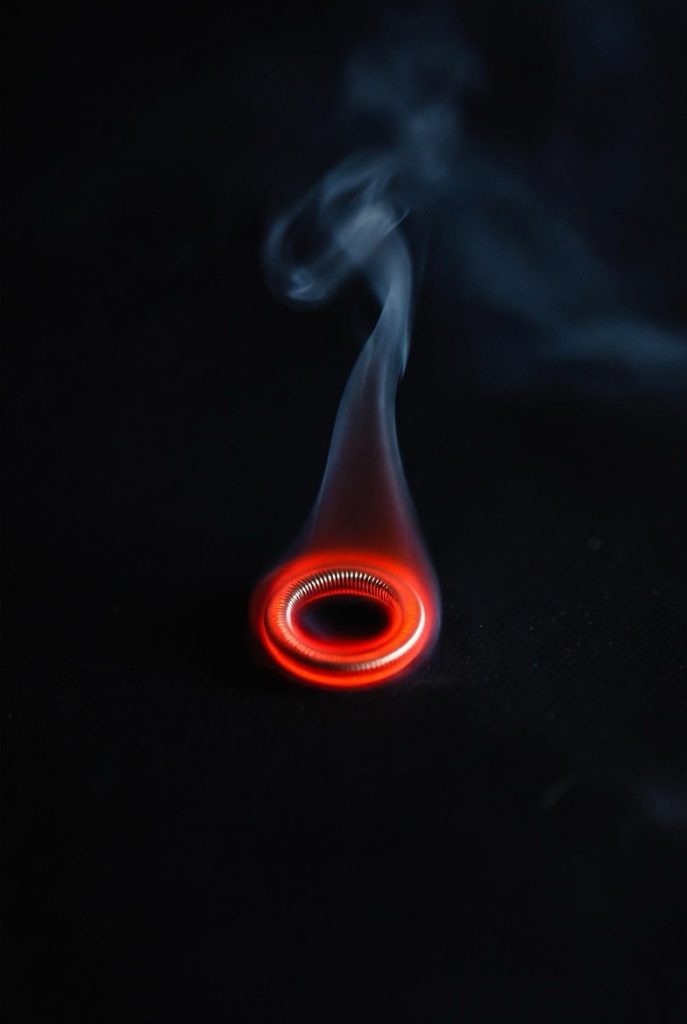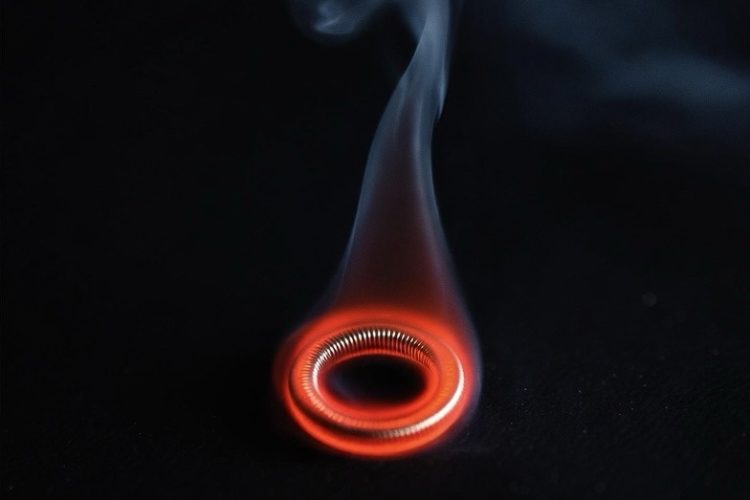
Vape e-liquids, mainly composed of propylene glycol (PG) and vegetable glycerin (VG), break down when heated in e-cigarettes, producing harmful volatile carbonyl compounds like formaldehyde, acetaldehyde, and acrolein. These toxins form through thermal decomposition at high temperatures, often above 200°C in vaping devices, and can irritate the lungs, increase cancer risks, and contribute to respiratory issues. Studies from organizations like the FDA and WHO highlight that higher VG ratios and powerful devices amplify toxin levels, while factors like coil material and wattage influence output. Users may inhale these chemicals unknowingly, as flavored vapes mask harshness, but switching to lower-heat settings or regulated products can reduce exposure. Always check lab-tested e-liquids and consider quitting for better health, as long-term effects remain under research but show links to popcorn lung and heart problems.