Tag: nutrition

Q&A

How Long Do Vitamins Stay in Your Body and Work Effectively?

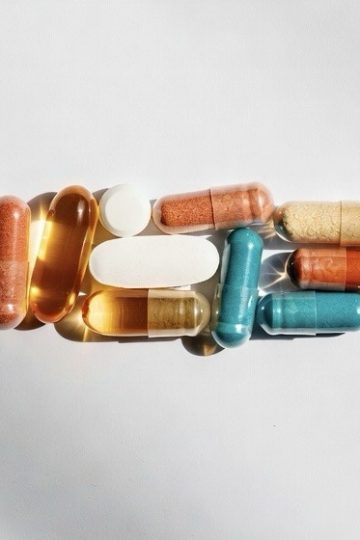
The time vitamins stay in your body depends on whether they are water-soluble or fat-soluble. Water-soluble vitamins like C and B-complex dissolve in water and are usually excreted in urine within a few hours to a day, so you need regular intake. Fat-soluble vitamins such as A, D, E, and K are stored in fat […]

Blog

Cigarette vs Hot Dog: 20 vs 36 Min Life Loss

Smoking one cigarette shortens life expectancy by about 20 minutes, according to a 2024 University College London study, while eating a single hot dog cuts healthy life expectancy by around 36 minutes, per University of Michigan research. Both habits raise risks of cancer, heart disease, and premature death through carcinogens—tobacco toxins in cigarettes and nitrosamines […]

Blog

Top Anti-Inflammatory Foods to Fight Inflammation

Chronic inflammation drives health issues like heart disease, arthritis, diabetes, and age-related decline (inflammaging) by raising markers such as CRP and IL-6 while increasing oxidative stress. An anti-inflammatory diet helps fight this by focusing on whole, plant-based foods rich in antioxidants, polyphenols, omega-3s (EPA, DHA, ALA), and key compounds like curcumin (turmeric), quercetin (onions, apples), […]

Blog

Optimize Brain Performance: Boost Memory, Focus, and Health

Optimizing brain performance supports memory, focus, productivity, and long-term mental health. Key strategies work by boosting neuroplasticity and cognitive reserve. Regular physical exercise, especially aerobic and strength training, increases blood flow and BDNF to strengthen memory and learning. A healthy diet like the MIND or DASH diet—rich in leafy greens, berries, whole grains, and omega-3 […]

Blog

Vitamin C Benefits, Absorption & Foods for Immunity Boost

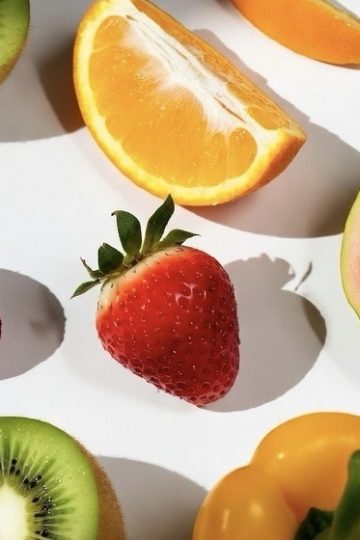
Vitamin C (ascorbic acid) boosts immunity, fights oxidative stress, and aids collagen and iron absorption. Your body absorbs 70-90% at low doses (30-180 mg) via SVCT1 transporters, but efficiency drops above 1g. For fast, natural uptake, eat whole foods like kakadu plum, acerola cherry, camu camu, amla, rosehip, guava, yellow peppers, kiwi, or strawberries—these pack […]

Blog

How Banning Junk Food in Schools Fights Childhood Obesity

Banning junk food in schools cuts childhood obesity by limiting high-calorie snacks, sugary drinks, and low-nutrient foods in vending machines and lunches. It lowers BMI, reduces weight gain, and prevents chronic conditions like diabetes. Students eat healthier meals, build better eating habits, and consume fewer empty calories. Behavior improves with less hyperactivity and better focus, […]

Blog

Bernando LaPallo’s Longevity Secrets: How He Lived Past 100

Bernando LaPallo, an Arizona resident believed to have lived to 114, credited his extraordinary longevity to simple, consistent healthy habits. Born in Brazil in the early 1900s, he spent most of his life in the U.S., guided by his father’s advice: “You are what you eat.” His diet focused on organic foods, fruits, and vegetables, […]

Blog

Fast Food Nutrition Risks & Organic Alternatives

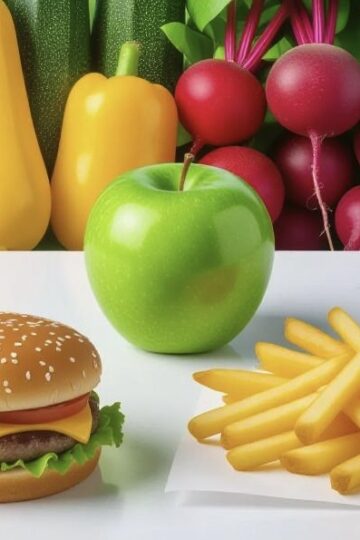
Fast food and non-organic produce often lack nutrients due to heavy processing and soil depletion. Fast food, high in calories but low in vitamins, fiber, and minerals like Vitamin C, iron, and zinc, relies on ultra-processed ingredients with saturated fat, sodium, and sugar, spiking blood pressure and inflammation while promoting obesity. Non-organic foods, grown with […]

Blog

Top Nutrient-Dense Foods for Health & Vitality

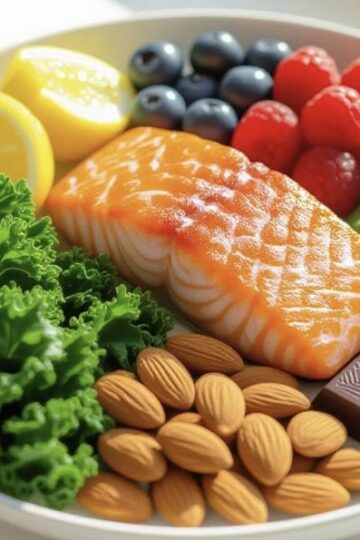
Nutrient-dense foods deliver maximum vitamins, minerals, protein, fiber, and healthy fats with minimal calories, boosting immunity, energy, and heart health while preventing chronic conditions. Unlike ultra-processed foods, these superfoods provide bioavailable nutrients for optimal absorption. Dark leafy greens like kale and spinach top the list, rich in vitamins A, C, K, and iron. Organ meats […]

Blog

Heavy Metals in Protein Powder: Risks, Testing, and Safe Choices

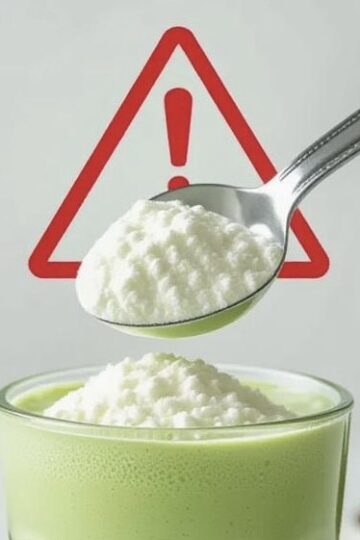
Heavy metals like lead, cadmium, arsenic, and mercury contaminate many protein powders, posing health risks with long-term use. These toxins enter through soil, industrial pollution, or manufacturing, especially in plant-based and organic products, which can have up to three times more lead than whey or animal-based options. Chocolate-flavored powders often contain higher levels due to […]