
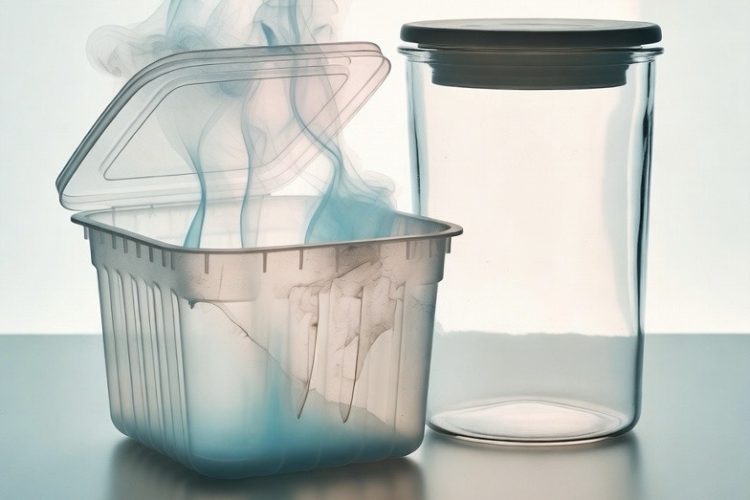
Many everyday household items contain endocrine disruptors—hormone disrupting chemicals like BPA, phthalates, and PFAS—that can quietly interfere with your body’s natural balance, potentially contributing to fatigue, mood swings, fertility challenges, metabolic issues, and thyroid problems. Common sources you might overlook include plastic food containers, non-stick cookware, conventional cleaning products, air fresheners, laundry detergents and dryer sheets, scented candles, and vinyl shower curtains, all of which can release these compounds through heat, wear, or daily contact. Switching to safer, non-toxic home products such as glass or stainless steel storage, cast iron or ceramic pans, plant-based cleaners, natural ventilation or essential oils, fragrance-free laundry options, beeswax candles, and fabric bathroom liners can significantly reduce exposure while maintaining convenience and effectiveness, helping you create a healthier living space that supports long-term well-being.
Long Version
7 Non-Toxic Home Essentials You’re Ignoring (That Are Actually Destroying Your Hormones)
Ever wonder why persistent fatigue, irregular cycles, or unexplained weight fluctuations seem to linger despite your best efforts? The answer might hide in plain sight within your home. Endocrine disruptors—those insidious hormone disrupting chemicals embedded in everyday items—could be throwing your body’s delicate systems off balance. These aren’t obscure threats; they’re woven into products you touch, inhale, and use routinely, subtly mimicking or blocking natural hormones.
This comprehensive guide serves as your roadmap to identifying and addressing these risks. We’ll explore the science behind endocrine disruptors, pinpoint seven commonly overlooked household culprits, and provide evidence-based strategies for safer alternatives. Drawing from environmental health insights, we’ll uncover how cumulative exposures contribute to broader issues like metabolic imbalances and reproductive challenges. By the end, you’ll be equipped to foster a hormone-healthy environment, empowering you to feel more vibrant and in control. Let’s transform your space from a subtle saboteur into a supportive sanctuary.
Demystifying Endocrine Disruptors: How They Infiltrate and Impact Your Health
Endocrine disruptors, or EDCs, are synthetic or natural compounds that interfere with your endocrine system—the network of glands producing hormones that orchestrate growth, metabolism, reproduction, and mood. Common culprits include bisphenol A (BPA), phthalates, per- and polyfluoroalkyl substances (PFAS), and parabens, often lurking in plastics, coatings, fragrances, and preservatives. These toxins affecting hormones don’t require massive doses to cause harm; even low-level, ongoing contact can accumulate, leading to amplified effects over time.
The mechanisms are multifaceted: some EDCs mimic estrogen, others block testosterone, and many disrupt thyroid signaling, which regulates energy and development. Health ramifications span reproductive disorders, such as infertility and premature births, to metabolic issues like obesity and diabetes. Immune suppression, including reduced vaccine efficacy in children exposed to PFAS, and links to certain cancers add layers of concern. Vulnerable populations—pregnant individuals, infants, and those with preexisting conditions—face heightened risks, as early exposures can influence lifelong health trajectories, from lung development to behavioral patterns.
Environmental factors compound the issue; these chemicals persist in dust, water, and air, creating a web of unavoidable interactions. Yet, balance is key: while research highlights risks, not all exposures lead to immediate harm, and individual factors like genetics play a role. The empowering angle? Proactive choices in non-toxic home products can drastically cut exposure, promoting resilience. Understanding this empowers you to prioritize swaps that align with your lifestyle.
1. Plastic Food Containers: Silent Leachers of Hormone Mimickers
Storing meals in plastic seems practical, but many containers harbor BPA or phthalates, which seep into food—especially when heated or holding acidic contents. These estrogen mimickers disrupt hormonal harmony, potentially contributing to fertility hurdles, hormonal acne, or developmental delays in young ones. Cumulative effects may also tie into broader metabolic disruptions, like insulin resistance.
Beyond direct ingestion, scratched surfaces accelerate leaching, turning a simple storage solution into a chronic exposure source. For those managing conditions like PCOS, minimizing these phthalates in home plastics becomes crucial.
Transition to BPA-free options, such as glass jars or stainless steel boxes, which preserve food integrity without chemical transfer. They’re reusable, odor-resistant, and environmentally sound. Begin by replacing microwave-prone items first, easing into a toxin-reduced kitchen routine that supports steady energy and clearer skin.
2. Non-Stick Cookware: The Persistent “Forever” Chemical Source
The allure of effortless cleanup in non-stick pans masks their PFAS coatings, dubbed “forever chemicals” for their environmental persistence. Overheating or wear releases these into meals, where they bioaccumulate, interfering with thyroid function and hormone regulation. Associations with lower birth weights, immune weakening, and elevated cholesterol underscore the stakes, particularly for growing families.
Recent insights reveal PFAS’s role in inflammation and lung development issues in children, highlighting the need for caution in daily cooking habits.
Opt for cast iron, stainless steel, or ceramic alternatives—cast iron naturally non-sticks with seasoning and boosts dietary iron for vitality. Use gentle utensils to maintain surfaces, turning cooking into a health-enhancing ritual rather than a risk.
3. Household Cleaning Products: Fragrance-Fueled Disruptors
Conventional cleaners promise spotless results but often deliver phthalates and parabens via undisclosed “fragrance” components. These volatilize or absorb dermally, targeting endocrine pathways and linking to menstrual irregularities or reduced reproductive quality. For allergy sufferers, the irritant-disruptor combo exacerbates respiratory woes, creating compounded health strains.
Broader views note that while acute effects are rare, chronic low-dose exposure in enclosed spaces amplifies concerns, especially in multi-product households.
Choose non-toxic cleaning products with transparent, plant-based ingredients—vinegar-baking soda mixes tackle grime affordably, while essential oil-infused options add natural scents. This shift not only safeguards hormones but enhances indoor air quality, fostering a fresher, more invigorating home.
4. Air Fresheners: Airborne Endocrine Saboteurs
Seeking a pleasant ambiance, you might plug in or spray fresheners, unwittingly dispersing phthalates and volatile organic compounds (VOCs). These linger, infiltrating lungs and bloodstream, and are tied to headaches, mood instability, and thyroid imbalances. Developmental vulnerabilities in children make this a family-wide priority.
Balanced perspectives acknowledge that occasional use poses minimal risk, but habitual reliance in poorly ventilated areas heightens cumulative impacts.
Embrace natural ventilation or pure essential oil diffusers with scents like citrus for upliftment. Herb simmer pots or baking soda odor absorbers provide chemical-free freshness, turning scent management into a mindful, hormone-protective practice.
5. Laundry Detergents and Dryer Sheets: Clinging Chemical Residues
Your laundry cycle might embed phthalates, surfactants, and brighteners into fabrics, transferring via skin contact throughout the day. This dermal route disrupts estrogen balance, potentially aggravating skin sensitivities or fertility concerns. For expectant parents or those with hormone-sensitive conditions, the residue buildup demands attention.
Insights emphasize that while washing removes some toxins, persistent chemicals in formulations necessitate scrutiny.
Select non-toxic alternatives for laundry detergent, such as fragrance-free, eco-pods or powders from verifiable brands. Wool dryer balls with optional essential oil drops soften without synthetics, leaving clothes truly clean and your routine hormone-supportive.
6. Scented Candles: Cozy Yet Compromising Flames
Paraffin candles release phthalates, parabens, and VOCs upon burning, creating an indoor haze that subtly accumulates in your system. Links to respiratory strain and endocrine shifts, like PCOS exacerbation or testosterone dips, reveal the hidden cost of ambiance.
Nuanced research suggests wick materials matter—avoid lead-cored ones for added safety—yet overall, synthetic scents drive most risks.
Favor soy, beeswax, or coconut wax with cotton wicks and pure oils; they’re cleaner and evoke genuine warmth. LED alternatives mimic flicker sans emissions, ensuring relaxing evenings remain restorative.
7. Vinyl Shower Curtains and Mats: Steamy Bathroom Hazards
Humid bathrooms amplify off-gassing from vinyl’s phthalates, inhaled or absorbed during routines. These contribute to reproductive and metabolic disruptions, with mold interactions potentially worsening air quality.
While durable, vinyl’s flexibility comes at a health price, particularly in daily-use spaces.
Upgrade to organic cotton or hemp curtains, water-repellent treated, paired with natural rubber mats. This creates a spa-like, toxin-minimized zone, enhancing daily self-care.
Holistic Approaches to Minimize Hormone-Disrupting Exposures
Expanding beyond individual items, adopt integrated habits: regular dusting captures settled EDCs, water filtration removes contaminants, and organic textiles sidestep flame retardants. Mindful shopping—seeking “phthalate-free” or “PFAS-free” labels—builds transparency.
Inclusively, these strategies suit diverse needs; for urban dwellers, portable filters address tap water, while families might prioritize child-safe zones. Track progress through subtle shifts like improved sleep or balanced moods, recognizing that consistency yields compounding benefits.
Empowering Your Path to a Hormone-Resilient Home
Navigating endocrine disruptors demands awareness, but the rewards—enhanced vitality, reduced risks, and peace of mind—are transformative. By tackling these seven overlooked essentials and embracing non-toxic home products, you’re investing in long-term well-being. Remember, progress unfolds gradually; start with high-impact areas like the kitchen, and adapt to your unique circumstances.
Your body thrives in a supportive environment—curate one free from hidden hormone disrupting chemicals, and embrace the clarity it brings. Here’s to informed choices and a thriving you.
Ditch the plastic. Keep the peace.


