Tag: food

Blog

Pesticides on Produce: What Washing Removes—and What Won’t

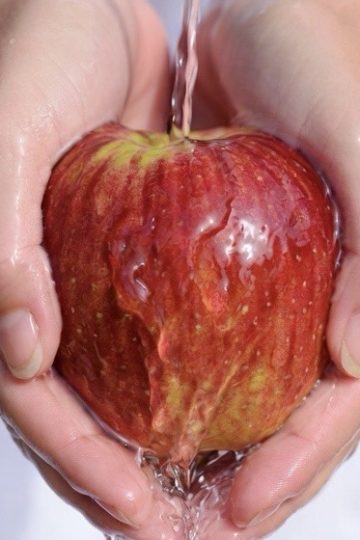
Most pesticide residues on fruits and vegetables sit on the surface and can be greatly reduced by proper washing. Run produce under cool water while rubbing or scrubbing firm items like apples and using a soft brush on delicate ones like berries or mushrooms. Soaking in a baking soda solution (1 tsp per 2 cups […]

News

Italian Pasta Faces U.S. Tariffs—Shoppers Outraged Nationwide

U.S. shoppers are outraged as steep tariffs threaten Italian pasta imports. The administration imposed a 15% baseline tariff on EU goods, plus up to 91.74% anti-dumping duties, totaling 107% for brands like Barilla, La Molisana, and Rummo. A Commerce Department probe found Italian firms dumping pasta below fair value, harming U.S. producers. Duties start in […]

Blog

Kefir vs Yogurt: Which Is Healthier and Better for You?

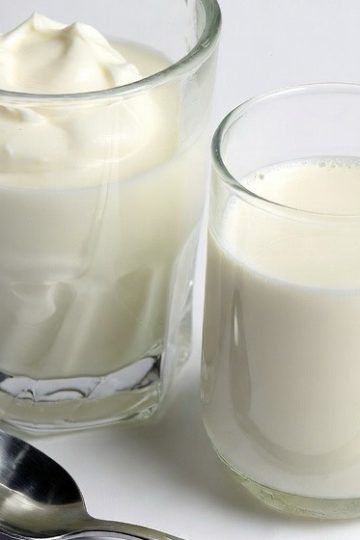
Kefir and yogurt are both fermented dairy foods packed with probiotics for gut health, but they differ in ways that matter. Yogurt uses two main bacteria (Lactobacillus bulgaricus, Streptococcus thermophilus) and has a thick, creamy texture. Kefir ferments with kefir grains—a mix of up to 61 bacteria and yeasts—making it fizzy, drinkable, and more probiotic-diverse. […]

Blog

Natto Nutrition & Health Benefits: Japan’s Fermented Superfood

Natto is a Japanese superfood made from fermented soybeans using Bacillus subtilis bacteria. This low-calorie food packs protein (19g per 100g), fiber, probiotics, and key nutrients like vitamin K2 (menaquinone), iron, magnesium, and zinc. Fermentation boosts bioavailability, reduces antinutrients, and creates nattokinase—a powerful enzyme that supports heart health by dissolving blood clots and lowering blood […]

Blog

Food Additives Banned Abroad but Allowed in the U.S.

Many food additives allowed in the U.S. are banned in Europe and other countries due to health risks. The FDA approves substances unless proven unsafe, while the European Food Safety Authority uses a precautionary approach, banning anything with potential harm. Common U.S.-allowed additives include potassium bromate (linked to cancer, banned in EU/China), BHA/BHT (possible carcinogens […]

Blog

Lab-Grown Meat Ban in Texas Sparks Major FDA Court Battle

Lab-grown meat, also called cultivated or cell-cultured meat, is facing bans in seven U.S. states, including Texas, where Senate Bill 261 blocks its sale starting September 2025. Upside Foods and Wildtype Inc. sued Texas in federal court on September 2, 2025, claiming the ban violates the Commerce Clause and protects local ranchers unfairly. Their products […]

Blog

Low and Slow Cooking: Preserve Nutrients for Healthier Meals

Low and slow cooking methods like simmering, slow roasting, braising, and stewing use gentle heat (185–200°F) to preserve nutrients in vegetables and lean meats. Unlike high-heat cooking, which can destroy vitamins and minerals, these techniques retain water-soluble vitamins (like C and B) and minerals (like iron and magnesium) by minimizing oxidation and leaching. Slow cookers […]

Blog

Fast Food Nutrition Risks & Organic Alternatives

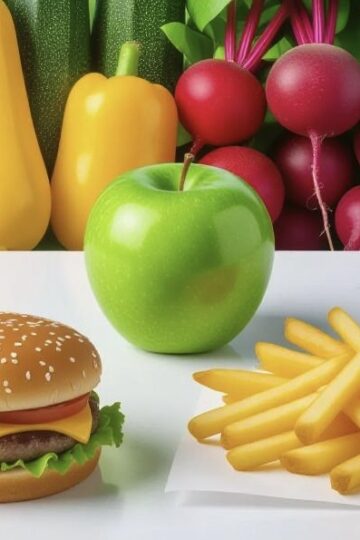
Fast food and non-organic produce often lack nutrients due to heavy processing and soil depletion. Fast food, high in calories but low in vitamins, fiber, and minerals like Vitamin C, iron, and zinc, relies on ultra-processed ingredients with saturated fat, sodium, and sugar, spiking blood pressure and inflammation while promoting obesity. Non-organic foods, grown with […]

Blog

Microplastics in Packaged Foods: Health Risks and Solutions

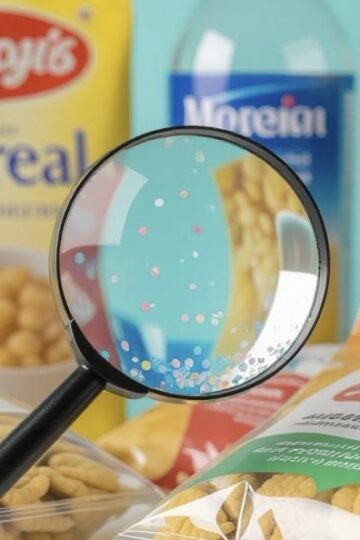
Microplastics and nanoplastics from plastic packaging contaminate packaged foods, especially processed items and beverages, posing health risks through ingestion. These tiny particles, formed by migration, leaching, or environmental pollution, carry toxic additives like phthalates and BPA, linked to inflammation, immune issues, infertility, and cancer risks. Advanced detection methods, such as FTIR and Raman spectroscopy, confirm […]

Blog

Is Steaming Food Healthier? Benefits, Nutrients & Cooking Tips

Steaming is a top healthy cooking method that preserves nutrients better than boiling or frying. It retains water-soluble vitamins like vitamin C, minerals, and antioxidants in vegetables, seafood, and grains, supporting wellness and digestive health. Unlike frying, steaming uses no oil, aiding calorie reduction and heart health. Compared to boiling, it prevents nutrient loss into […]