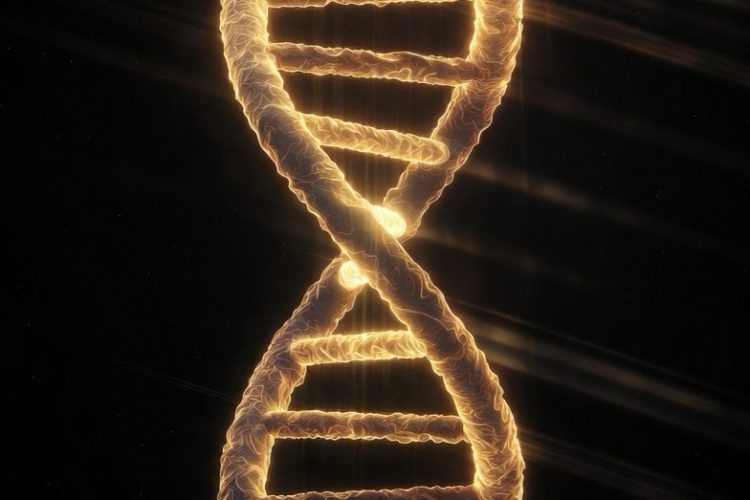
In the world of biohacking, the “longevity gene” protocol centers on activating sirtuins—key proteins that drive cellular repair, metabolism, and resilience—to extend healthspan. While intermittent fasting effectively triggers autophagy for cellular cleanup, most biohackers fall short by relying on it alone, missing the crucial addition of senolytic nutrients like fisetin, quercetin, and curcumin to clear stubborn senescent “zombie” cells that fuel inflammation and aging. This integrated approach creates a powerful synergy: sirtuins enhance repair and NAD+ efficiency, autophagy recycles damage, and senolytics remove harmful cells, leading to genuine systemic rejuvenation. By avoiding common pitfalls like aggressive fasting or poor nutrient timing, and following a balanced protocol with time-restricted eating, targeted supplements, exercise, and cyclic senolytics, enthusiasts can unlock sustained energy, clarity, and vitality for true longevity.
Long Version
The “Longevity Gene” Protocol: Why 90% of Biohackers Are Doing It Wrong
In the evolving world of biohacking, where enthusiasts fine-tune their biology for optimal performance and extended vitality, the concept of the “longevity gene” has captured widespread attention. This refers to the sirtuin family of proteins, key regulators of cellular health that influence everything from DNA repair to metabolic efficiency. Emerging research underscores a critical insight: while intermittent fasting effectively initiates autophagy—the body’s essential recycling process—it’s often inadequate alone. Without integrating targeted senolytic nutrients to eliminate persistent aging cells, biohackers frequently encounter plateaus or suboptimal outcomes. This comprehensive guide delves into the science, common missteps, and an optimized protocol to activate sirtuin pathways, harness autophagy, and achieve genuine cellular rejuvenation, drawing on the latest advancements to empower a more effective approach.
Picture your cells as a sophisticated network, constantly adapting to maintain balance amid daily stressors. As time progresses, inefficiencies arise: damaged components accumulate, inflammation builds subtly, and repair mechanisms slow. The longevity gene protocol addresses this by strategically engaging sirtuins, amplifying autophagy, and deploying senolytics to clear senescent cells—those dysfunctional “zombie” cells that exacerbate aging. If you’re part of the majority relying solely on fasting or generic supplements, you’re likely missing the synergistic elements needed for systemic rejuvenation. Let’s break down the essentials and refine your strategy for lasting results.
Decoding the Longevity Gene: The Role of Sirtuins in Combating Aging
Sirtuins, a conserved family of seven NAD+-dependent enzymes, serve as master switches for cellular resilience. Often called longevity proteins, they modify proteins by removing acetyl groups, thereby influencing gene expression and metabolic pathways. SIRT1, for example, enhances insulin sensitivity and mitochondrial biogenesis, while SIRT3 bolsters energy production in mitochondria, and SIRT6 safeguards DNA integrity by regulating hydrogen sulfide levels—a gasotransmitter tied to caloric restriction benefits. Recent 2025-2026 studies highlight SIRT6’s role in maintaining youthful hepatic function, linking it to extended healthspan in models where overexpression counters age-related decline.
These proteins don’t function in silos; they interconnect with autophagy and senescent cell clearance. Autophagy recycles faulty cellular parts, but without sirtuin support, its efficiency wanes. Similarly, senescent cells, through their senescence-associated secretory phenotype (SASP), propagate inflammation that sirtuins help mitigate. Breakthroughs from institutions like EPFL emphasize sirtuins’ involvement in mitochondrial metabolism, suggesting that pulsed activation—mimicking natural stressors—can rewind epigenetic clocks, markers of biological age based on DNA methylation patterns.
Biohackers often overlook this interplay, focusing on isolated activators like resveratrol without considering NAD+ depletion with age. Yet, 2026 trends in epigenetic reprogramming show that balanced sirtuin engagement fosters not just longevity but enhanced cognitive and physical function, aligning with partial reprogramming techniques that restore youthful gene expression without full cellular reset.
Harnessing Autophagy: Moving Beyond Standard Intermittent Fasting
Autophagy, the cellular self-eating process, is pivotal for rejuvenation, clearing damaged organelles and proteins to sustain vitality. Intermittent fasting triggers this by depleting energy stores, prompting cells to shift from growth to maintenance modes. However, relying solely on fasting overlooks nuances: without senolytic nutrients or sirtuin boosters, autophagic flux—the complete cycle of breakdown and renewal—can falter, allowing senescent cells to persist and hinder progress.
Why does isolated fasting often underperform? It induces partial apoptosis but fails to fully address SASP-driven inflammation. 2026 research on autophagy enhancers, like siRNA therapeutics, reveals that cycling interventions prevents adaptation and immune fatigue. Natural amplifiers include exercise, which upregulates SIRT1, and thermal stress from saunas, potentially slashing cardiovascular risks through improved signaling.
To elevate autophagy effectively:
- Adopt a 12-16 hour fasting window synced with circadian rhythms to maximize sirtuin synergy.
- Integrate dynamic activities: High-intensity intervals amplify flux, converting stored energy while purging waste.
- Track biomarkers: Monitor ketone levels or inflammation indicators; genuine rejuvenation manifests as consistent energy, not intermittent crashes.
Combining these with senolytics transforms autophagy from a basic cleanup to a robust rejuvenation engine.
Senescent Cells: Silent Agers and the Power of Senolytics to Eradicate Them
Senescent cells accumulate with age, resisting death while secreting SASP factors that fuel chronic inflammation and tissue dysfunction. They contribute to frailty, cognitive decline, and metabolic issues, making their targeted removal crucial for the longevity gene protocol. While intermittent fasting sparks some clearance, senolytics—agents that selectively induce apoptosis in these cells—provide the precision needed.
Prominent senolytic nutrients include fisetin from strawberries, which tackles neural and renal senescence; quercetin from onions, curbing inflammation via PI3K/AKT disruption; and curcumin from turmeric, enhancing autophagy while reducing fibrosis. These compounds exploit senescent cells’ vulnerabilities, such as BCL-2 family dependencies, without affecting healthy cells. 2026 trials demonstrate senolytics lowering epigenetic age, boosting mobility, and alleviating conditions like pulmonary fibrosis.
Most biohackers falter by using broad-spectrum antioxidants instead of specific senolytics. A cyclic approach—fisetin pulses or quercetin-dasatinib combos—mimics evolutionary pressures, clearing debris to let sirtuins thrive. Synergizing with sirtuin activators creates a cascade: repair intensifies as obstacles vanish.
Triggering Sirtuin Pathways: Nutrients, Habits, and Advanced Strategies
Activating sirtuin pathways demands a multifaceted toolkit: NAD+ precursors, allosteric modulators, and lifestyle cues. Resveratrol, a polyphenol, binds SIRT1 to lower activation thresholds, but pairing with fats aids absorption. NR or NMN replenish NAD+, fueling sirtuins for metabolic recalibration, with 2025 studies confirming their mediation of anti-neurodegenerative effects.
Phytochemicals excel: Curcumin upregulates SIRT1 and SIRT3, balancing glycolysis; kaempferol activates NRF2 for defense; EGCG from tea suppresses SASP. These senomorphics reshape environments for rejuvenation. Lifestyle integration amplifies: Time-restricted eating elevates NAD+ via NAMPT; intervals induce expression; cold exposure fortifies mitochondria.
In 2026, innovations like injectable NR and GLP-1 analogs blend seamlessly, but foundational protocols suffice: 250-500mg resveratrol with 500mg quercetin daily, cycled for efficacy. This targets systemic rejuvenation, from neural protection to metabolic harmony.
The Pitfalls Derailing 90% of Biohackers: Intermittent Fasting and Beyond
Biohacking’s promise often yields frustration due to overlooked errors. Primary among them: treating intermittent fasting as all-encompassing without nutrient integration. Common traps include:
- Aggressive starts: Prolonged fasts disrupt hormones; begin gradually with 12-hour windows.
- Feasting pitfalls: Processed foods spike insulin, nullifying benefits; emphasize nutrient-dense options like proteins and veggies.
- Hydration neglect: Fasting depletes electrolytes; incorporate mineral-rich broths.
- Misaligned timing: Night eating clashes with circadian sirtuins; daylight alignment optimizes.
- Recovery oversight: Stress blocks rejuvenation; prioritize 7-9 hours of sleep.
- Isolation: Lack of tracking derails; use communities for insights.
These issues compound, stalling sirtuin pathways and autophagy. Contrarian views—challenging aging norms—reveal sustainable tweaks trump extremes.
Crafting the Optimized Longevity Gene Protocol: A Practical Blueprint
This protocol merges sirtuins, autophagy, and senolytics for holistic impact. Personalize with professional guidance.
- Core: Time-Restricted Eating
- 14-16 hours fasting, meals 10 AM-6 PM.
- Boosts NAD+, initiates autophagy.
- Sirtuin Enhancement
- Daily: 300mg NR + 250mg resveratrol.
- Weekly: 500mg curcumin pulses.
- Habits: 30-minute walks, 2-3 sauna sessions.
- Senolytic Cycles
- Monthly: 20mg/kg fisetin over two days.
- Dietary: Berries, apples, turmeric.
- Monitor: Epigenetic tests for age shifts.
- Autophagy Boosters
- 1mg spermidine daily.
- Practices: Cold exposure, HIIT twice weekly.
- Evaluation and Tweaks
- Biomarkers: NAD+, CRP.
- Adapt: Shorten fasts if needed.
Rooted in 2026 insights, this creates a rejuvenation cascade, potentially extending healthspan significantly.
Actionable Insights for Aspiring Biohackers
- Routine Integration: Morning light syncs sirtuins; evening teas mildly activate.
- Nutrition Tips: Quercetin-rich salads with fisetin fruits and curcumin spices.
- Enhancements: Explore Yamanaka factors cautiously; prioritize naturals.
- Perspectives: Genetics vary responses; holistic factors like relationships matter.
Conclusion: Elevate Your Biohacking for True Vitality
The longevity gene protocol redefines aging by harmonizing sirtuin pathways, autophagy, and senolytics for profound cellular rejuvenation. Avoiding pitfalls like isolated fasting unlocks measurable advancements in energy, clarity, and resilience. This isn’t mere extension—it’s thriving optimization. Implement thoughtfully, and redefine your potential.