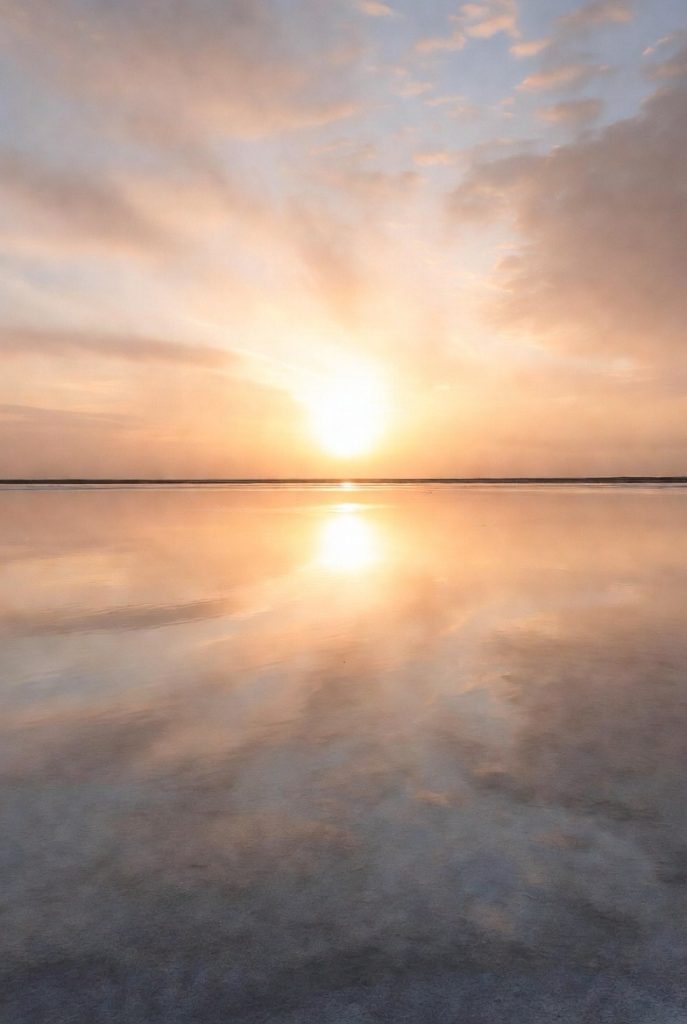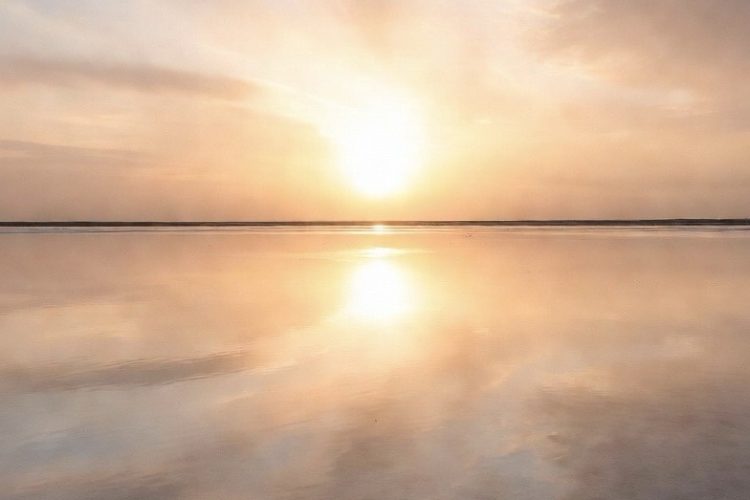
The most surreal places to visit offer breathtaking escapes where nature creates dreamlike landscapes that challenge reality and inspire wonder. From Bolivia’s Salar de Uyuni, the world’s largest salt flat that mirrors the sky during rainy seasons, to China’s towering mist-shrouded pillars in Zhangjiajie and Colombia’s vibrant, multicolored Caño Cristales river, these surreal natural wonders showcase geological marvels like Madagascar’s razor-sharp Tsingy limestone formations and Patagonia’s glowing Marble Caves. In the US, standout surreal places on earth include Arizona’s swirling Antelope Canyon and The Wave, Yellowstone’s colorful geothermal features, Utah’s hoodoo-filled Bryce Canyon, and New Mexico’s shimmering White Sands dunes. Hidden gems such as New Zealand’s bioluminescent Waitomo Glowworm Caves, Tanzania’s crimson Lake Natron, and Brazil’s dune-filled lagoons in Lençóis Maranhenses provide off-the-beaten-path surreal travel experiences. As 2026 emphasizes sustainable tourism, mindful planning with guided tours and eco-friendly practices ensures these fragile destinations remain accessible, delivering transformative adventures that reconnect travelers with Earth’s extraordinary beauty.
Long Version
The Most Surreal Places to Visit: Your Ultimate Guide to Otherworldly Destinations
Imagine wandering through landscapes that defy logic, where the ground mirrors the sky or rocks twist into impossible shapes. The most surreal places to visit captivate the imagination, blending natural artistry with a touch of the ethereal. As travel shifts toward meaningful, eco-aware adventures in 2026, these destinations emerge as perfect escapes for those craving surreal travel experiences that refresh the spirit and challenge perceptions. This comprehensive resource uncovers the best surreal places on earth, from iconic wonders to hidden gems, offering fresh insights into their origins, practical tips, and evolving access. Whether you’re drawn to surreal natural wonders or off-the-beaten-path spots, prepare to discover how these sites can transform your journeys into unforgettable stories.
Defining Surreal Destinations: The Essence of Otherworldly Travel
Surreal places on earth arise from extraordinary geological, biological, or atmospheric phenomena that create illusions of alternate realities. These aren’t mere scenic views; they’re immersive environments where colors shift unnaturally, forms bend reality, and silence amplifies wonder. Consider how ancient erosion carves stone into fluid waves or microbial life paints rivers in vivid hues—these elements combine to evoke a sense of the dreamlike.
In practical terms, planning visits to these surreal spots demands respect for their delicacy. Many face threats from climate shifts or overtourism, prompting innovative protections like timed entries and regenerative practices. For 2026, anticipate enhanced sustainable options, such as community-managed tours and digital tools for virtual previews, making exploration more inclusive. The draw? These locations nurture introspection and excitement, appealing to solo travelers, families, or groups building a bucket list of surreal travel experiences that prioritize wonder over convenience.
Global Icons: Surreal Natural Wonders That Redefine Beauty
The world’s surreal natural wonders span continents, each a testament to planetary forces at work. These highlights merge visual spectacle with geological tales, providing layers of discovery for every visitor.
Salar de Uyuni: Bolivia’s Infinite Mirror Realm
In Bolivia’s southwestern highlands, Salar de Uyuni stretches across 10,582 square kilometers as the planet’s largest salt flat. Formed from evaporated prehistoric lakes, its surface cracks into hexagonal patterns, and during wet months, a thin water layer turns it into a flawless sky reflector, blurring earth and heavens.
The surreal allure peaks at dawn, when pastel skies double in the expanse, fostering illusions of endless space. For optimal surreal travel experiences, join guided 4×4 expeditions that include volcanic geysers and flamingo-filled lagoons. Key insight: Altitude at 3,656 meters calls for acclimation; pack hydration and sun protection. With 2026’s push for low-emission vehicles in tours, these visits support local economies while minimizing footprints, turning admiration into active conservation.
Zhangjiajie National Forest Park: China’s Suspended Peaks
Hunan Province’s Zhangjiajie boasts over 3,000 quartzite pillars soaring up to 1,080 meters, veiled in mist and subtropical foliage. Erosion over 380 million years sculpted these towers, famously inspiring cinematic floating mountains.
Surreal elements include the fog-shrouded vistas from glass walkways, evoking levitation amid ancient forests. Hike Avatar Hallelujah Mountain or ride the world’s longest cable car for panoramic thrills. Practical takeaway: Spring’s blooming flora enhances the dreamscape; avoid peak holidays for serenity. As 2026 introduces AI-guided trails and biodiversity apps, visitors gain deeper ecological understanding, blending awe with education in this UNESCO site.
Giant’s Causeway: Northern Ireland’s Geometric Enigma
County Antrim’s Giant’s Causeway features about 40,000 basalt columns, interlocking in hexagons from a volcanic event 50-60 million years ago. Myths of giants aside, the site’s orderly formations contrast wildly with crashing Atlantic waves.
This surreal spot shines during storms, when sea spray accentuates the puzzle-like stones. Explore coastal paths or audio tours delving into folklore. Tip: Low tide reveals more columns; sturdy footwear prevents slips. In 2026, expanded renewable energy initiatives nearby underscore the site’s role in highlighting natural resilience, encouraging thoughtful engagement.
Caño Cristales: Colombia’s Vibrant River Canvas
In Meta Department’s Serranía de la Macarena, Caño Cristales earns its “Liquid Rainbow” moniker from July to November, when Macarenia clavigera plants bloom in reds, alongside yellow sands, green mosses, and blue waters.
Swimming in these prismatic pools amid jungle isolation feels like entering a living artwork. For off-the-beaten-path surreal travel experiences, trek to secluded falls. Insight: Entry requires permits and guides to protect biodiversity; dry seasons mute colors. Colombia’s 2026 eco-certification programs for operators ensure visits bolster community-led preservation, adding ethical depth to the spectacle.
Marble Caves: Chile’s Azure Water Sculptures
On Patagonia’s General Carrera Lake, the Marble Caves’ smooth chambers glow in turquoise from glacial minerals reflecting off marble walls, honed by 6,000 years of waves.
Boat excursions reveal shifting light plays, creating illusions of submerged cathedrals. Surreal highlights include low-tide explorations of hidden nooks. Takeaway: Southern Hemisphere summer (December-March) offers stable weather; life vests are essential. With 2026’s hybrid vessel adoptions, these tours reduce emissions, aligning with regional sustainability goals for enduring access.
Tsingy de Bemaraha: Madagascar’s Razor-Sharp Limestone Labyrinth
Western Madagascar’s Tsingy de Bemaraha Strict Nature Reserve harbors karst limestone formations eroded into needle-like spires, forming a surreal “stone forest” over 1,500 square kilometers.
Navigating suspended bridges amid this jagged maze evokes an alien trek, with endemic lemurs adding life. Practical advice: Harnessed walks suit adventurers; dry season (April-November) avoids mud. As Madagascar enhances flight connections in 2026, eco-lodges promote regenerative tourism, safeguarding this UNESCO wonder while empowering locals.
Surreal Places in the US: Accessible American Marvels
Surreal places in the US provide domestic alternatives, showcasing the nation’s varied terrains from arid deserts to icy frontiers.
Antelope Canyon: Arizona’s Flowing Sandstone Symphony
Page, Arizona’s Antelope Canyon divides into upper and lower slots, where flash floods have curved Navajo sandstone into undulating corridors lit by dramatic sunbeams.
The surreal play of shadows and colors transforms hourly, resembling abstract rivers of rock. Mandatory Indigenous-led tours offer cultural context. Insight: Midday summer visits maximize light shafts; flash flood warnings are serious. 2026’s digital booking systems streamline access, reducing overcrowding in this fragile gem.
The Wave: Arizona’s Striped Sandstone Swirls
In the Paria Canyon-Vermilion Cliffs Wilderness, The Wave’s Navajo sandstone undulates in red, orange, and white stripes, mimicking petrified dunes from Jurassic winds.
This lottery-limited site (64 permits daily) ensures solitude, amplifying its Martian feel. Hike the 6.4-mile trail with ample water. Takeaway: Fall’s milder temps enhance hikes. Evolving permit apps in 2026 incorporate weather alerts, promoting safe, sustainable enjoyment.
Yellowstone National Park: Wyoming’s Bubbling Cauldron
Straddling Wyoming, Montana, and Idaho, Yellowstone’s supervolcano fuels geysers like Old Faithful (erupting every 90 minutes) and the vivid Grand Prismatic Spring.
Surreal sights include steaming vents and microbial mats in rainbow hues, evoking primordial earth. Explore boardwalks or backcountry for immersion. Tip: Shoulder seasons cut crowds; wildlife viewing peaks at dawn. 2026’s geothermal monitoring tech educates on climate impacts, fostering informed appreciation.
Mendenhall Glacier Caves: Alaska’s Glowing Ice Tunnels
Near Juneau, Mendenhall Glacier’s meltwater carves caves of compressed ice in brilliant blues, with echoing drips and translucent walls.
Kayak-hike combos access these ephemeral spaces, feeling like frozen underwater realms. Insight: Summer melt widens entries; guides ensure stability. Amid 2026’s climate focus, visits highlight glacial retreat, blending beauty with urgent environmental dialogue.
Bryce Canyon National Park: Utah’s Hoodoo Amphitheater
At 8,000-9,000 feet in southern Utah, Bryce’s hoodoos—eroded limestone pillars in fiery tones—cluster in vast bowls, resembling enchanted forests.
Sunrise illuminates the spires surrealistically; trails like Queen’s Garden descend into the maze. Practical: Winter snow creates stark contrasts; dark skies excel for stargazing. Enhanced shuttles in 2026 ease navigation, supporting park-wide conservation efforts.
White Sands National Park: New Mexico’s Gypsum Dunes
Southern New Mexico’s White Sands spans 710 square kilometers of gleaming gypsum crystals, forming ever-shifting dunes that glow under moonlight.
Sledding or hiking these waves feels lunar; bioluminescent insects add nighttime magic. Tip: Full moons offer guided walks; sun protection is vital. 2026’s adaptive management addresses dune migration, ensuring this surreal expanse remains accessible.
Hidden Gems: Surreal Places to Visit Off the Beaten Path
For those seeking seclusion, these lesser-known surreal spots deliver profound isolation and discovery.
Waitomo Glowworm Caves: New Zealand’s Underground Constellation
North Island’s Waitomo Caves host millions of Arachnocampa luminosa larvae, their bioluminescent threads mimicking starry skies in dark chambers.
Silent boat drifts or abseiling tours heighten the illusion. Insight: Year-round access; combo with black-water rafting amps adventure. 2026’s monitoring preserves glowworm habitats, exemplifying balanced eco-tourism.
Lake Natron: Tanzania’s Crimson Alkaline Expanse
Northern Tanzania’s Lake Natron turns red from haloarchaea in its soda waters, with salt encrustations forming bizarre sculptures amid flamingo flocks.
This harsh, volcanic basin feels apocalyptic yet vital for breeding birds. Guided safaris from nearby lodges avoid caustic shores. Takeaway: Dry season concentrates colors; binoculars enhance wildlife spotting.
Door to Hell: Turkmenistan’s Fiery Crater
The Karakum Desert’s Darvaza Gas Crater, ignited in 1971, burns 70 meters wide with eternal flames, resembling a volcanic gateway.
Night views intensify the surreal glow; permits allow closer approaches. Insight: Desert tours include cultural stops; 2026 safety enhancements may expand access.
Lençóis Maranhenses National Park: Brazil’s Dune Lagoons
Maranhão’s Lençóis Maranhenses features white sand dunes interspersed with seasonal rainwater lagoons in blues and greens.
Trekking or 4×4 traverses this watery desert create mirage-like scenes. Practical: Rainy season (June-September) fills pools; eco-guides prevent disorientation.
Mastering Your Surreal Adventure: Essential Strategies for 2026
To craft ideal surreal travel experiences, align with seasons—wet periods often heighten effects like reflections or blooms. Budget for ethical operators offering carbon-neutral options, increasingly standard in 2026. Embrace tech: AR overlays explain formations without intrusion. Health prep includes altitude meds or sturdy gear; insurance covers remote risks.
Sustainability is key—choose low-impact activities, support local artisans, and advocate for preservation. These practices ensure surreal places endure.
Final Reflections: Embracing the Surreal in a Changing World
The most surreal places to visit transcend tourism, inviting us to witness Earth’s creative extremes and our place within them. From Salar de Uyuni’s mirrors to White Sands’ dunes, these destinations deliver transformative moments of awe and reflection. In 2026’s era of conscious travel, exploring these surreal natural wonders fosters deeper connections, blending adventure with stewardship for lasting impact. Your next step? Chart a path to one—reality’s boundaries await expansion.