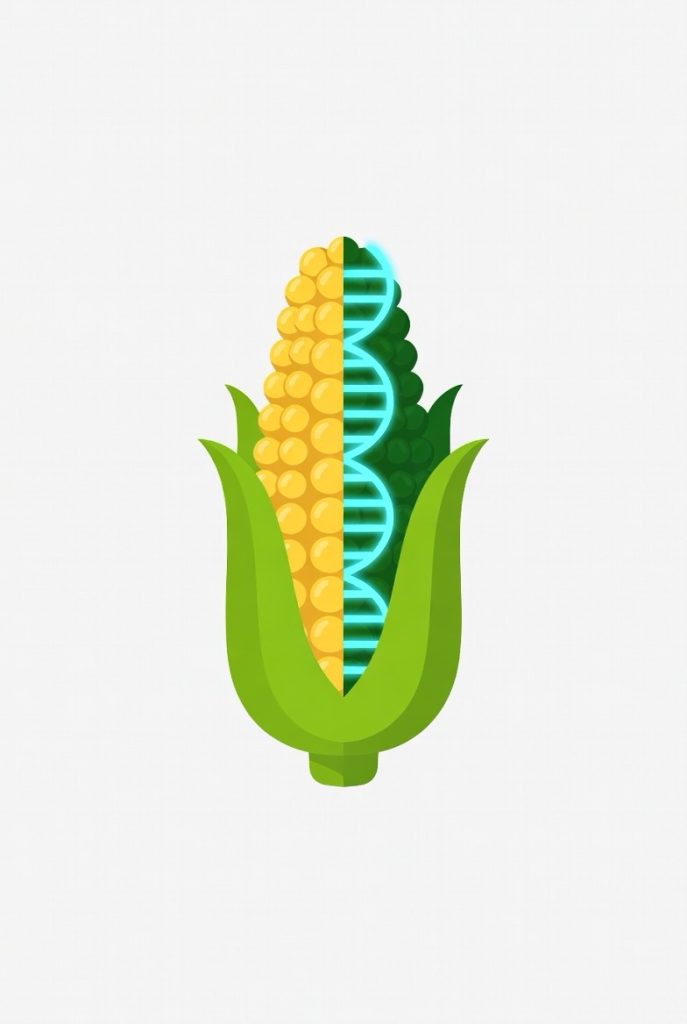
Many consumers grow wary upon spotting “bioengineered ingredients” on food labels, viewing them as synonymous with GMO foods or genetically modified foods that have fueled decades of debate. These crops, engineered for traits like pest resistance and higher yields, appear in most processed products, yet widespread concerns persist over potential health risks—including glyphosate residues classified as probable carcinogens, possible new allergens, gut microbiome disruption, and nutritional differences—despite scientific consensus from major organizations affirming their safety based on extensive testing. Environmental criticisms focus on herbicide-tolerant varieties promoting superweeds, biodiversity loss, soil degradation, and chemical runoff, while ethical and economic issues highlight corporate seed patents that create farmer dependency and reduce transparency. Though GMOs offer benefits like resource efficiency and malnutrition solutions, lingering questions about long-term effects and trust keep skepticism alive, empowering shoppers to make informed choices aligned with their values.
Long Version
Why Many People Think Bioengineered Ingredients Are Bad: A Comprehensive Guide to the GMO Controversy
Imagine scanning the ingredients list on your favorite snack and spotting “bioengineered ingredients.” For countless consumers, this revelation sparks unease, prompting questions about safety, sustainability, and transparency. Bioengineered foods, commonly known as GMO foods or genetically modified foods, sit at the intersection of cutting-edge science and widespread skepticism. While they promise solutions to hunger and agricultural challenges, a substantial segment of the population views them with suspicion, citing potential harms that extend far beyond the dinner table. In this ultimate resource, we’ll dissect the multifaceted reasons behind these concerns, blending evidence-based analysis with balanced perspectives to help you navigate the debate. Whether you’re curious about GMO dangers or seeking clarity on bioengineered food risks, this guide equips you with the insights needed for confident decision-making.
Defining Bioengineered Ingredients: Beyond the Buzzwords
At its core, bioengineered ingredients refer to foods altered at the genetic level to enhance traits like yield, durability, or nutritional value. This aligns closely with genetically modified foods, where DNA from one species is inserted into another—think bacteria genes in corn for built-in pest resistance. Since the 1990s, these innovations have proliferated, appearing in staples like soy, cotton, and sugar beets, which infiltrate up to 80% of processed items on store shelves.
The USDA’s 2022 labeling mandate formalized “bioengineered” as the official term, requiring disclosure for products with detectable modified DNA. This shift aimed to empower consumers but often heightens wariness: if these are harmless, why mandate labels? Distinguishing bioengineered from traditional breeding is key—while selective breeding tweaks existing genes over generations, bioengineering accelerates changes, sometimes across kingdoms, raising unique questions about long-term implications.
Understanding these basics reveals why debates persist. Proponents highlight efficiency in resource-scarce environments, yet detractors argue the speed of change outpaces our grasp of consequences, fueling perceptions that bioengineered ingredients are inherently problematic.
Unpacking Health Risks of Eating GMO Foods: Myths, Realities, and Uncertainties
Health apprehensions top the list of why many deem bioengineered ingredients bad for you. Public surveys reveal over 50% of people associate GMO foods with adverse effects, driven by fears of toxicity, allergies, and chronic illnesses.
Central to this is glyphosate, the herbicide paired with many GMO crops for weed control. Residues linger in foods, and its classification as a probable human carcinogen by international agencies amplifies alarm. Studies link it to gut microbiome imbalances, potentially contributing to inflammation, autoimmune issues, or hormone disruptions. Children, with developing systems, face heightened vulnerability, as do those with sensitivities to novel proteins introduced via gene splicing.
Antibiotic resistance markers used in GMO development add another layer—critics worry these could foster superbugs in our bodies, complicating treatments. Nutritional concerns emerge too: some bioengineered varieties prioritize shelf life over nutrient density, possibly leading to deficiencies in diets heavy on processed foods.
- Core health debates include: Allergenicity from foreign proteins; glyphosate’s role in oxidative stress and disease; impacts on digestive health via altered microbiomes.
Yet, authoritative reviews from bodies like the National Academies affirm that approved GMO foods match non-GMO safety profiles, with no epidemic of related illnesses. Rigorous pre-market testing screens for allergens and toxins, and human trials show no DNA transfer from food to cells. The divide? Much research is industry-linked, and long-term epidemiological data remains sparse, leaving room for doubt. This tension underscores why questions like “Are genetically modified foods safe to eat?” evoke polarized responses—science leans toward safety, but public trust demands more independent scrutiny.
Environmental Drawbacks: How Bioengineered Foods Affect Our Planet
Environmental critiques form another pillar of opposition, portraying GMO crops as accelerators of ecological degradation. Herbicide-tolerant varieties encourage blanket spraying, birthing superweeds that demand stronger chemicals, escalating pollution.
This cycle erodes soil vitality by decimating beneficial organisms, while monoculture dominance—vast fields of identical GMO strains—diminishes biodiversity, making ecosystems fragile to pests or climate shifts. Pollen drift contaminates neighboring non-GMO fields, sparking legal battles and threatening organic farming viability.
Water quality suffers from runoff laced with agrochemicals, harming aquatic species and infiltrating groundwater. In broader terms, reliance on patented seeds perpetuates industrial agriculture, sidelining regenerative practices that could mitigate climate impacts.
- Notable environmental cons: Superweed proliferation driving chemical overuse; biodiversity loss from uniform crops; soil and water contamination affecting wildlife and human health indirectly.
Counterpoints exist: certain GMO traits reduce tillage, curbing erosion and emissions, or enable pest-resistant crops that cut insecticide needs. Still, holistic assessments often conclude that the disadvantages of genetically modified foods in environmental stewardship outweigh isolated benefits, especially amid accelerating biodiversity crises.
Ethical Dilemmas and Economic Realities: The Human Element
Ethical qualms amplify the narrative that bioengineered foods are unsafe or unjust. Manipulating life’s blueprint evokes moral unease, particularly when it involves animals or crosses natural barriers, challenging notions of integrity in food production.
Economically, corporate control dominates: a handful of firms own GMO patents, compelling farmers to repurchase seeds yearly under strict contracts. This model disadvantages small-scale operators, especially in global south contexts, where debt cycles and loss of seed sovereignty exacerbate inequality.
Transparency deficits erode trust—pre-labeling eras left consumers in the dark, and current disclosures feel inadequate, often buried in fine print or digital codes. This opacity fuels suspicions of hidden agendas, where profit trumps precaution.
- Ethical and economic highlights: Patenting living organisms as intellectual property; farmer dependency fostering economic disparity; insufficient labeling undermining informed consent.
Balanced views acknowledge GMOs’ role in addressing malnutrition through fortified crops, like beta-carotene-rich rice. However, ethical frameworks increasingly prioritize equity and autonomy, positioning bioengineered ingredients as symbols of systemic flaws in modern agriculture.
Scientific Consensus and Debunking Common Misconceptions
To foster nuance, consider the scientific landscape: exhaustive meta-analyses, spanning decades, find no inherent GMO risks beyond those in conventional foods. Innovations undergo layered evaluations for equivalence in composition and safety.
Debunked myths include direct toxicity—digestion neutralizes modified DNA—or infertility links, unsupported by population data. Benefits shine in targeted applications, such as virus-resistant papayas saving Hawaiian farms.
Gaps persist, though: evolving resistance patterns demand ongoing monitoring, and regulatory variances globally (e.g., stricter EU standards) highlight differing risk tolerances. Bridging science and skepticism requires transparent, diverse research funding to address lingering uncertainties.
Societal Perceptions and Future Directions
Public opinion on GMO foods evolves amid shifting trends. While acceptance grows with familiarity—polls show younger demographics less averse—core fears about bioengineered food risks endure, amplified by social platforms and advocacy.
Influences include media portrayals of scandals, like unintended gene flows, and wellness movements advocating “clean” eating. Seasonal spikes occur during health campaigns or regulatory updates, reflecting broader desires for control over food sources.
Looking ahead, advancements like CRISPR offer precise edits without foreign DNA, potentially alleviating concerns. Consumer demand drives non-GMO markets, with certifications providing alternatives. Differences between GMO and bioengineered foods—largely semantic—may blur as labeling refines, but the quest for sustainability shapes the trajectory.
Key Takeaways: Empowering Your Choices in the GMO Era
Ultimately, the conviction that bioengineered ingredients are bad arises from intertwined health, environmental, ethical, and economic threads, tempered by scientific reassurances yet fueled by transparency shortfalls. Recognizing why people think bioengineered foods are unsafe— from glyphosate residues to biodiversity threats—illuminates a debate rooted in values as much as facts.
Practical steps include scrutinizing labels, diversifying diets with whole foods, and supporting policies for robust testing. By weighing evidence on questions like “Do GMOs pose special health risks?” or “What are the disadvantages of genetically modified foods?”, you can align choices with personal priorities. In a world of innovation and caution, knowledge remains your strongest ally for a nourished, informed life.