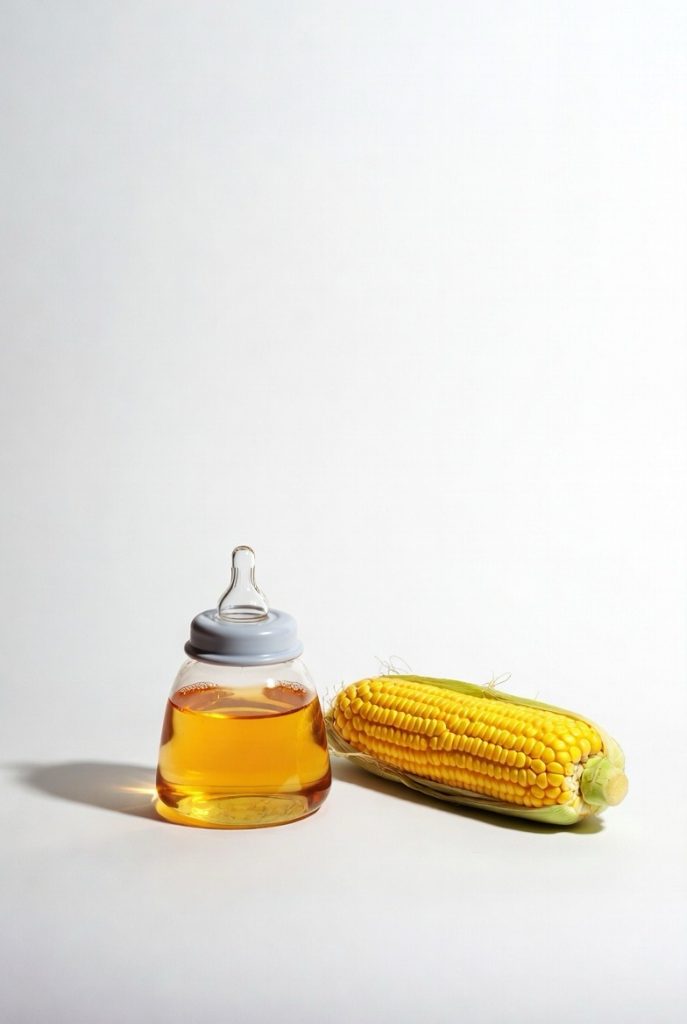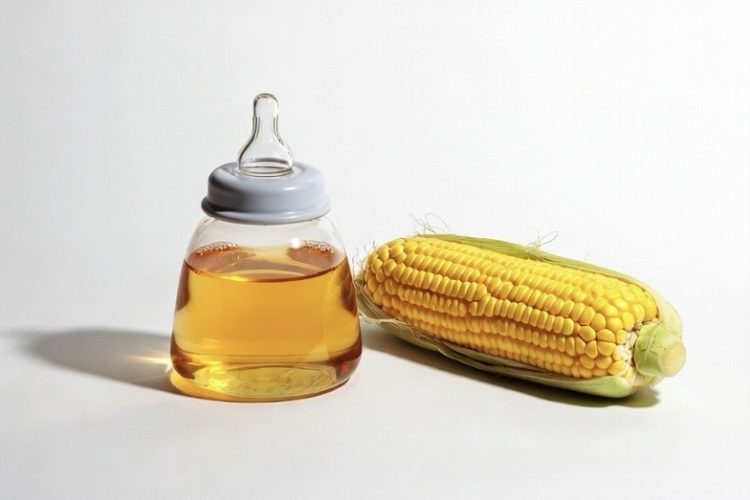
Corn syrup solids in baby formula aren’t the same as high-fructose corn syrup found in sodas; they’re a processed carbohydrate used in some U.S. formulas, especially “gentle” or low-lactose types for infants with digestion issues like gas or fussiness from lactose. The FDA considers them safe, and studies show they support normal growth and are well-tolerated by most babies, providing quick energy without allergy risks. However, mounting research raises concerns: formulas with corn syrup may alter the infant gut microbiome, lead to fussier eating habits in toddlers, and increase obesity risk by about 10% by age 4 compared to lactose-based options, as they metabolize faster with a higher glycemic index. Breast milk and standard formulas use lactose, which is closer to natural human milk and preferred by experts like the AAP for healthy babies. In Europe, regulations often ban corn syrup in infant formula, favoring lactose. If your baby doesn’t have lactose sensitivity, opt for lactose-based formulas to mimic breast milk more closely and potentially avoid long-term issues. Consult a pediatrician before switching, as not all babies need specialty formulas, and abrupt changes can upset digestion.