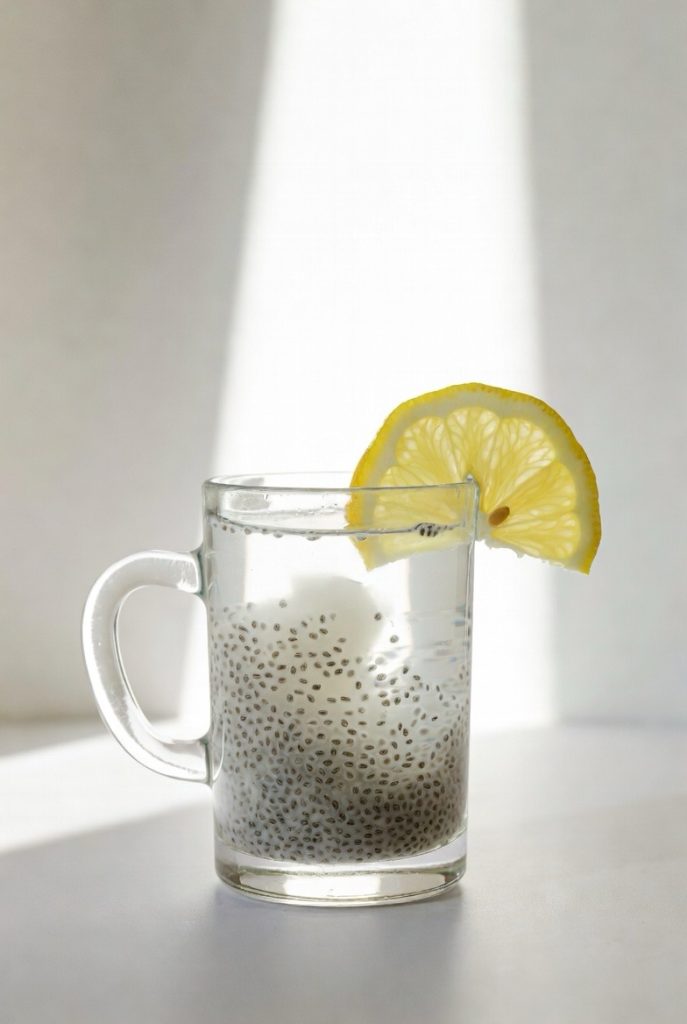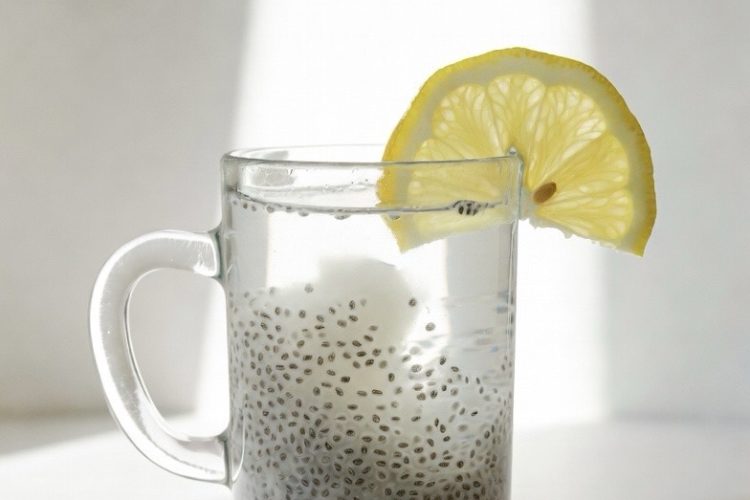
The internal shower drink—a simple mix of chia seeds, lemon juice, and water—has become a popular viral gut health hack, praised on social media for easing bloating, relieving constipation, and promoting regularity. While it doesn’t truly “detox” the body (your liver and kidneys naturally handle that process), the drink works by delivering a concentrated dose of soluble fiber from chia seeds that absorbs water, softens stool, and supports healthy bowel movements and microbiome balance. Rich in omega-3s, antioxidants, and minerals, this chia seed lemon water also boosts hydration and provides gentle nutritional benefits. Safe for most people when introduced gradually, it can cause temporary gas or cramps if overdone, and it’s most effective as a supportive habit alongside a fiber-rich diet rather than a standalone cure. For anyone seeking a natural, evidence-based way to improve digestion, the internal shower drink offers real, modest advantages without the hype.
Long Version
The ‘Internal Shower’ Drink: Does This Viral Health Hack Actually Detox Your Gut?
In a world saturated with wellness trends promising quick fixes, the internal shower drink has emerged as a standout sensation, captivating millions through social media platforms. This simple blend of chia seeds, lemon, and water is hailed as a natural gut detox method, purportedly flushing out impurities, alleviating bloating, and enhancing digestive regularity. With viral videos showcasing dramatic transformations and endorsements from influencers, it’s no wonder curiosity peaks around questions like “Does the internal shower drink work?” or “Is this chia seed detox the key to better gut health?” Yet, beneath the excitement lies a need for scrutiny. This comprehensive guide delves into every facet of this trend—from its origins and scientific underpinnings to practical applications and potential drawbacks—equipping you with evidence-based insights to determine if it deserves a spot in your daily routine. Whether you’re exploring natural remedies for constipation or seeking sustainable ways to support your microbiome, we’ll uncover the realities behind the hype, ensuring you make informed choices for lasting well-being.
Tracing the Roots: The Evolution of the Internal Shower Trend
The internal shower drink didn’t appear out of nowhere; its foundations trace back to ancient dietary practices intertwined with modern social media amplification. Chia seeds, derived from the Salvia hispanica plant indigenous to Mexico and Guatemala, have been consumed for millennia by Aztec and Mayan civilizations for their sustaining energy and medicinal properties. Historical accounts describe them as a staple for warriors, valued for their ability to provide hydration and endurance during long journeys.
Fast-forward to the 21st century, and chia seeds gained mainstream traction in the 2010s as a superfood, featured in smoothies, puddings, and health bars for their nutrient profile. The “internal shower” label specifically surged around 2022 on platforms like TikTok, where creators reimagined the chia seed drink as a viral gut health hack. By 2025 and into 2026, searches for terms like “chia seed lemon water” and “viral internal shower” skyrocketed, driven by user testimonials claiming rapid relief from digestive woes. This evolution reflects a broader cultural shift toward accessible, DIY wellness solutions amid rising awareness of gut-brain connections and microbiome importance.
What sets this trend apart is its simplicity—no fancy equipment or rare ingredients required. Yet, its popularity also invites skepticism: Is it truly innovative, or merely a repackaged version of age-old fiber remedies? Understanding this context helps frame why it resonates today, as people increasingly seek natural alternatives to pharmaceutical interventions for everyday health concerns.
Dissecting the Core Components: What Makes Up This Chia Seed Drink?
To grasp the potential of the internal shower drink, it’s essential to examine its ingredients individually and synergistically. At the heart is chia seeds: roughly two tablespoons deliver about 10 grams of fiber, predominantly soluble, which swells upon contact with liquid to form a mucilaginous gel. This property not only aids in texture but also mimics the action of natural laxatives by drawing water into the intestines.
Lemon juice contributes acidity and flavor, supplying vitamin C—an antioxidant that supports immune function and collagen synthesis—along with citric acid, which may gently stimulate bile production for fat digestion. Water serves as the medium, ensuring the mixture is hydrating and easy to consume. Variations abound: some add a touch of cayenne for metabolism claims, others incorporate ginger for anti-nausea effects, but purists stick to the basics for minimal interference.
Nutritionally, this combination shines. Chia seeds offer omega-3 fatty acids in the form of alpha-linolenic acid (ALA), which research links to reduced inflammation. They’re also rich in plant-based protein, antioxidants like quercetin, and minerals such as phosphorus and zinc, all contributing to cellular health. When prepared as lemon chia water, the drink becomes a low-glycemic option, potentially stabilizing blood sugar levels—a boon for those managing energy crashes or metabolic conditions.
However, the efficacy hinges on preparation. Soaking time is critical; inadequate hydration can lead to incomplete gel formation, diminishing benefits. Optimal recipes suggest stirring vigorously and waiting 15-30 minutes, transforming the mix into a palatable, jelly-like beverage that slides down easily.
The Science Behind the Claims: Does It Really Detox Your Gut?
Central to the debate is whether the internal shower drink achieves a genuine gut detox. Popular narratives suggest it “cleanses” the digestive tract by sweeping away toxins, but biological reality paints a different picture. The human body maintains homeostasis through organs like the liver, which metabolizes harmful substances via enzymes, and the kidneys, which excrete them in urine. The intestines eliminate undigested matter through peristalsis, supported by a balanced diet rather than singular interventions.
Scientific scrutiny reveals that while the drink doesn’t perform a dramatic “flush,” it excels in promoting regularity. Soluble fiber from chia seeds undergoes fermentation by gut bacteria, yielding short-chain fatty acids (SCFAs) like butyrate, which fuel colon cells and bolster the intestinal barrier. Studies on fiber intake demonstrate that increasing soluble sources can alleviate mild constipation by softening stool and accelerating transit time, often within 24-48 hours.
For instance, analyses of chia’s impact show it enhances satiety and reduces caloric intake, indirectly benefiting gut health by preventing overeating-related discomfort. Lemon’s role is subtler; its flavonoids may inhibit oxidative stress in the gut lining, but evidence is preliminary. Combined, these elements support microbiome diversity—a key marker of resilience against issues like irritable bowel syndrome (IBS) or leaky gut.
Yet, myths persist. Claims of expelling “years of buildup” lack substantiation; the colon doesn’t harbor layers of accumulated waste as some detox proponents assert. Instead, benefits are more aligned with preventive maintenance: consistent use might lower inflammation markers, as observed in dietary fiber research. For those querying “does internal shower drink help you poop,” the answer leans affirmative for fiber-deficient individuals, but it’s no substitute for medical evaluation in chronic cases.
Exploring Benefits: From Digestive Relief to Broader Wellness Impacts
The appeal of chia seed detox lies in its multifaceted advantages, extending beyond mere bowel movements.
- Constipation and Bloating Mitigation: As a gentle bulking agent, the drink addresses chia seed lemon water for constipation by hydrating the stool, reducing strain and promoting comfort. Many report decreased abdominal distension, attributing it to fiber’s gas-dispersing effects over time.
- Microbiome Enhancement: Prebiotic fibers nourish probiotics, fostering a thriving ecosystem. This can improve nutrient absorption, bolster immunity, and even influence mood via the gut-brain axis, where SCFAs modulate neurotransmitter production.
- Hydration and Energy Support: Starting the day with this hydrating elixir combats dehydration—a common digestion saboteur—while providing sustained energy from healthy fats and proteins, ideal for active lifestyles.
- Antioxidant and Anti-Inflammatory Perks: Lemon’s vitamin C synergizes with chia’s polyphenols to combat free radicals, potentially lowering chronic disease risks like cardiovascular issues or diabetes.
- Weight Management Aid: The gel’s filling nature curbs cravings, aligning with studies showing fiber-rich interventions aid in maintaining healthy body composition without restrictive dieting.
Long-term integration could amplify these effects, with users noting improved skin clarity and vitality, though individual variability— influenced by genetics, diet, and lifestyle—plays a role. For optimal outcomes, pair it with a diverse plant-based intake to maximize synergistic benefits.
Addressing Risks: Is the Internal Shower Drink Safe for Everyone?
Safety is paramount, and while the drink is benign for most, nuances warrant attention. Overzealous consumption can backfire; abrupt fiber surges may trigger gastrointestinal upset, including cramps or loose stools, particularly in low-fiber acclimated individuals.
Key considerations include:
- Hydration Dependency: Insufficient water intake exacerbates constipation risks, as fiber without fluids can compact waste.
- Interaction Potential: Omega-3s might thin blood, posing concerns for those on anticoagulants. Similarly, lemon’s acidity could irritate acid reflux sufferers.
- Allergen and Sensitivity Alerts: Seed allergies, though uncommon, demand caution. Conditions like diverticulosis or small intestinal bacterial overgrowth (SIBO) might worsen with fermentable fibers.
- Vulnerable Groups: Pregnant or breastfeeding individuals should moderate intake due to unstudied effects on fetal development. Children and elderly folks may require adjusted portions to avoid choking or digestive overload.
Recent 2026 trend analyses highlight isolated reports of discomfort from improper preparation, underscoring education’s importance. Always introduce gradually, monitoring responses, and consult healthcare providers for personalized advice, especially with pre-existing conditions.
Practical Guidance: How to Make and Use It Effectively
Mastering the internal shower requires finesse. Begin with a basic recipe: Mix 2 tablespoons chia seeds in 8 ounces water, add juice from half a lemon, stir, and rest for 20 minutes. Consume chilled or at room temperature for best palatability.
Tips for success:
- Customization Options: Experiment with additions like mint for freshness or turmeric for anti-inflammatory boosts, ensuring they complement without overpowering.
- Timing Strategies: Morning ingestion aligns with natural circadian rhythms, enhancing metabolic kickstart, while evening use aids overnight digestion.
- Storage and Freshness: Prepare fresh daily to preserve nutrients; refrigerated batches last up to 24 hours but may thicken excessively.
- Integration into Routines: Complement with balanced meals—think fiber-packed salads or whole grains—to avoid dependency and foster holistic habits.
Tracking progress via a journal can reveal patterns, helping refine usage for sustained benefits.
Debunking Myths and Comparing Alternatives
Amid enthusiasm, misconceptions abound. One prevalent myth is that the drink “resets” the gut overnight; reality favors gradual improvements. Another is its superiority over all remedies—while effective, it’s comparable to psyllium husk or prune juice for laxative effects, but with added nutritional bonuses.
Superior alternatives include:
- Fermented Foods: Kimchi or kombucha deliver live probiotics for direct microbiome support.
- Herbal Infusions: Fennel or dandelion teas offer diuretic and digestive aids without gel textures.
- Lifestyle Synergies: Yoga poses targeting the abdomen or stress-reduction techniques like meditation enhance gut motility more enduringly.
Choosing depends on preferences; for texture-averse individuals, capsules provide chia benefits minus the drink format.
Final Insights: Empowering Your Health Decisions
The internal shower drink stands as a credible, accessible tool for bolstering gut health, leveraging chia’s fiber prowess and lemon’s zest to foster regularity and vitality. It demystifies detox by grounding claims in physiology, reminding us that true cleansing arises from consistent, body-aligned practices rather than isolated elixirs.
Embrace it mindfully: If it eases your digestive journey without side effects, it’s a win. But prioritize diversity—nutritionally and habitually—for comprehensive wellness. By navigating viral trends with discernment, you cultivate resilience, ensuring your path to optimal health remains informed, balanced, and uniquely yours.