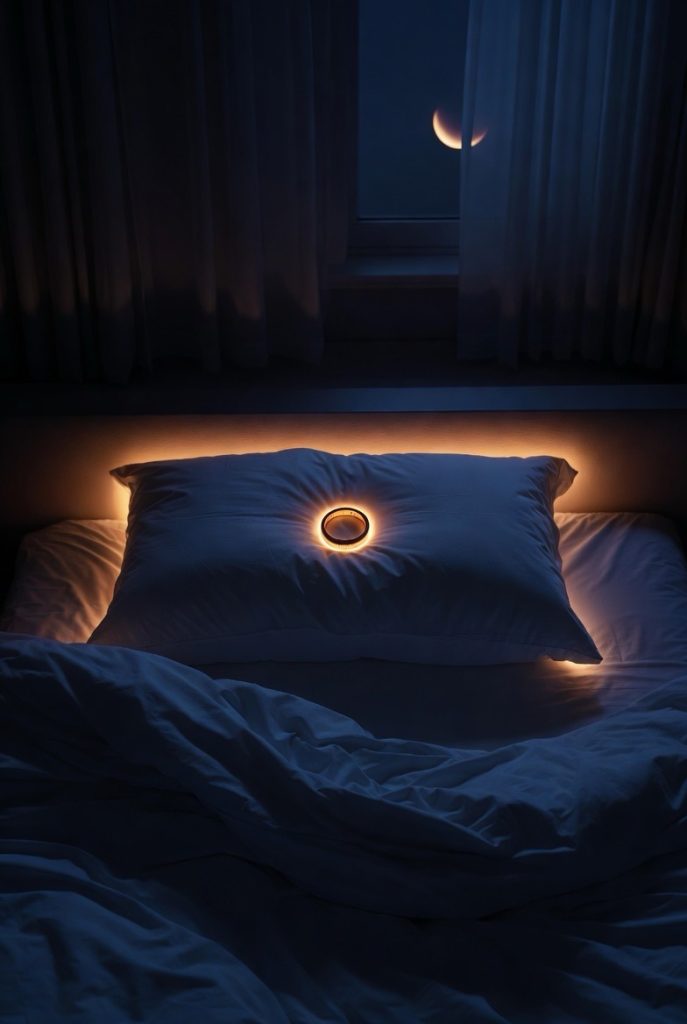
Biohacking your sleep can deliver superhuman energy by optimizing rest with simple, science-backed strategies. Start by syncing your circadian rhythm: get morning sunlight, delay caffeine 90 minutes after waking, and dim lights in the evening. Keep your bedroom cool (60-67°F), dark, and quiet, and stick to consistent sleep and meal times. Natural hacks include sunlight exposure at dawn and dusk, chamomile or valerian tea, grounding, meditation, and gentle stretching before bed. For tech support, devices like the Oura Ring, Whoop, or Eight Sleep Pod track sleep stages and improve deep rest. Red light therapy before bed boosts melatonin, while mouth taping encourages nasal breathing (use caution and proper tape). Add cold showers, magnesium supplements, and daily movement for extra recovery. Focus on evidence-based changes, start slowly, and consult a doctor if needed—consistency turns good sleep into lasting daytime energy.
Long Version
The Ultimate Guide to Biohacking Your Sleep for Superhuman Energy
In today’s fast-paced world, achieving superhuman energy often hinges on mastering sleep optimization. Biohacking sleep involves leveraging science-backed techniques and tools to enhance rest quality, leading to heightened alertness, productivity, and overall vitality during waking hours. This guide explores how to biohack your sleep for better energy, drawing from established research and practical routines to transform your nightly rest into a powerhouse of recovery.
What Is Biohacking for Sleep?
Biohacking for sleep refers to the deliberate use of habits, technology, and interventions to fine-tune your body’s natural sleep processes. Unlike traditional sleep advice, it emphasizes personalization based on biology, such as aligning with your circadian rhythm to maximize restorative stages like deep sleep and REM. At its core, biohacking sleep aims to hack the body’s internal clock for deeper, more efficient rest, resulting in sustained energy levels that feel almost superhuman. This approach isn’t about shortcuts but about evidence-based tweaks that amplify your body’s innate abilities. To get started, assess your current sleep patterns through simple tracking methods like noting wake times and energy dips throughout the day.
The Science Behind Biohacking Sleep
Sleep science studies consistently show that optimizing rest can elevate melatonin production, reduce inflammation, and improve cognitive function. For instance, research highlights how biohacking techniques like timed light exposure influence the suprachiasmatic nucleus—the brain’s master clock—leading to better hormonal balance and energy regulation. A study on athletes demonstrated that targeted sleep hacks enhanced endurance and recovery, underscoring biohacking’s role in achieving superhuman energy. Does biohacking improve sleep quality? Yes, when grounded in science; interventions that sync with circadian rhythms have been shown to increase sleep efficiency by up to 20%, per meta-analyses on light therapy and environmental adjustments. Additionally, emerging research links optimized sleep to improved mitochondrial function, which powers cellular energy and contributes to that “superhuman” feeling upon waking.
Circadian Rhythm Hacking: Aligning Your Internal Clock
Circadian rhythm hacking is a cornerstone of sleep biohacking, focusing on methods to synchronize your body’s 24-hour cycle with external cues. Science supports starting with morning light exposure—ideally 2-10 minutes of natural or simulated sunlight upon waking—to boost cortisol and set a strong wakefulness signal. Delaying caffeine intake by 90 minutes allows natural cortisol peaks, preventing crashes later. Other proven techniques include consistent meal timing and evening dim light to promote melatonin release. Research on shift workers indicates that such hacking reduces sleep disruptions and enhances daytime alertness, making it essential for sustained energy. To implement, track your 90-minute ultradian cycles: Wake, wait 90 minutes, then dive into high-focus tasks for optimal productivity. For added precision, consider using apps that simulate sunrise to gradually brighten your room, easing the transition from sleep to wakefulness.
Science-Backed Routines to Optimize Rest
Building science-backed routines to optimize rest begins with foundational habits. Maintain a bedroom temperature of 60-67°F, use blackout curtains for darkness, and incorporate white noise to minimize disturbances—these environmental tweaks alone can improve sleep depth, according to wellness studies. Diet plays a key role: Consume sleep-supportive foods like cherries or almonds for natural melatonin, and avoid heavy meals close to bedtime. A pre-bed “brain dump”—journaling worries—clears mental clutter, fostering faster sleep onset. Daily movement, such as walking or mobility work, aligns with circadian cues to enhance recovery. For a structured routine: Sync bedtime within 15 minutes nightly, incorporate breathwork like 4-8 second inhales-exhales to shift into parasympathetic mode, and aim for 7+ hours of consistent sleep. These steps, backed by longevity research, turn routine rest into a tool for superhuman energy. Enhance this by incorporating progressive muscle relaxation, starting from your toes and working upward, to release physical tension accumulated during the day.
How to Biohack Your Sleep Naturally
Wondering how can I biohack my sleep naturally? Start without gadgets by prioritizing sunlight exposure at dawn and dusk to regulate hormones. Herbal aids like chamomile or valerian support relaxation, while grounding—barefoot contact with earth—reduces inflammation for better rest. Meditation and stretching before bed enhance parasympathetic activation, improving sleep architecture. Fasting protocols, such as 24-hour cycles quarterly, reset metabolic rhythms, but cycle them to avoid stress. These natural methods, rooted in biohacking principles, offer accessible ways to elevate energy without tech. To deepen the practice, try aromatherapy with lavender essential oils, which studies suggest can prolong deep sleep phases when diffused in the bedroom.
Best Tech Gadgets for Sleep Optimization
For those seeking advanced sleep hacks, the best tech gadgets for sleep optimization in 2026 blend AI and biometrics. The Oura Ring 4 stands out as a top sleep tracker, providing detailed insights into sleep stages, heart rate variability, and recovery scores to guide adjustments. Whoop 5.0 excels in monitoring sleep debt and consistency, with an AI coach for personalized recommendations. For temperature control, the Eight Sleep Pod 5 automatically adjusts bed heat based on sleep phases, boosting deep sleep by up to 34% in trials. Wearables like the Fitbit Charge 6 or Garmin Vivoactive 5 integrate activity tracking with sleep data for holistic optimization. Emerging devices, such as WillSleep’s vagus nerve stimulator from CES 2026, target insomnia through non-invasive stimulation. These gadgets provide data-driven feedback, making biohacking sleep precise and effective. Look for integrations with smart home systems, like linking your tracker to automated blinds for seamless light control.
Red Light Therapy Sleep: A Targeted Biohack
Red light therapy sleep involves exposing the body to specific wavelengths (around 660nm) to influence melatonin and recovery. Studies show it can improve sleep quality by increasing melatonin secretion and reducing sleep inertia, with one trial on athletes noting better endurance post-therapy. Sessions of 30 minutes pre-bedtime have been linked to deeper rest phases, though results vary. Integrate it into routines via panels or masks, but consult professionals for optimal dosing. For enhancement, combine it with evening routines like reading under filtered light to avoid blue light interference, amplifying its restorative effects.
Mouth Taping for Sleep: Benefits and Cautions
Mouth taping for sleep promotes nasal breathing, potentially reducing snoring and mild obstructive sleep apnea. Preliminary studies indicate it can halve apnea-hypopnea index in some cases, improving oxygen saturation and rest quality. However, evidence is mixed; larger trials show inconsistent benefits, and health experts warn of risks like restricted breathing in those with nasal issues or severe apnea. If trying, use hypoallergenic tape and monitor for discomfort—it’s not a substitute for medical evaluation. To safely experiment, begin with short trials during naps and pair it with nasal strips for better airflow.
Additional Sleep Hacks for Superhuman Energy
Beyond basics, incorporate cold exposure like brief showers to spike dopamine and align rhythms. Supplements such as magnesium glycinate aid muscle repair during sleep. Consistency remains key: Align wake, eat, and sleep times for homeostasis. Track progress with journals or apps to refine your approach. Another hack includes binaural beats audio tracks, which can entrain brainwaves to promote faster sleep onset and deeper cycles when listened to via headphones.
Potential Risks and Best Practices
While biohacking sleep offers profound benefits, over-reliance on unproven trends can disrupt natural patterns. Always prioritize evidence-based methods and consult healthcare providers, especially for conditions like insomnia. Start gradually to avoid overwhelm, focusing on sleep’s foundational role in health. Monitor for signs of over-optimization, such as increased anxiety from constant tracking, and allow flexibility in routines.
By integrating these strategies, biohacking your sleep becomes a pathway to superhuman energy—waking refreshed, focused, and ready to thrive. Consistency and science are your allies in this transformative journey.