Tag: sleep

Q&A

Why Can’t You Sleep Without a Blanket Even When It’s Hot?

Even in warm weather, many people need a blanket to sleep because it provides more than just warmth. Blankets create a sense of security and comfort by stimulating “deep pressure touch,” which triggers the release of serotonin and melatonin—hormones that help you relax and fall asleep faster. They also reduce stress and anxiety, giving your […]

Blog

What Your Sleep Position Says About Your True Self

Your sleep position may offer intriguing clues about your personality traits, based on patterns from surveys and psychological observations rather than strict science. The most common fetal position, where you curl up on your side, often links to sensitive, warm-hearted individuals who appear shy at first but form deep connections. Log sleepers, lying straight on […]

Blog

Irregular Sleep Harms: Worse Than Deprivation?

In today’s fast-paced world, irregular sleep—with its shifting bedtimes and inconsistent patterns—can be just as harmful as chronic sleep deprivation, often disrupting the body’s circadian rhythm more profoundly. Even when total hours seem adequate, erratic schedules trigger fatigue, mood instability, weakened immunity, and impaired cognition, while uniquely elevating long-term risks like heart disease, type 2 […]

Blog

Ultimate Sleep Biohacking Guide for Peak Energy

Biohacking your sleep can deliver superhuman energy by optimizing rest with simple, science-backed strategies. Start by syncing your circadian rhythm: get morning sunlight, delay caffeine 90 minutes after waking, and dim lights in the evening. Keep your bedroom cool (60-67°F), dark, and quiet, and stick to consistent sleep and meal times. Natural hacks include sunlight […]

Blog

Nightmares Deadlier Than Smoking? 2025 Study

Frequent nightmares, especially weekly ones, are linked to a tripled risk of early death before age 70, according to a major 2025 study. This makes them a stronger predictor of premature mortality than smoking or obesity. The research, involving over 183,000 adults and children, found that frequent nightmares accelerate biological aging by shortening telomeres and […]

Blog

Left Side Sleep: Cut Reflux 50%, Boost Digestion

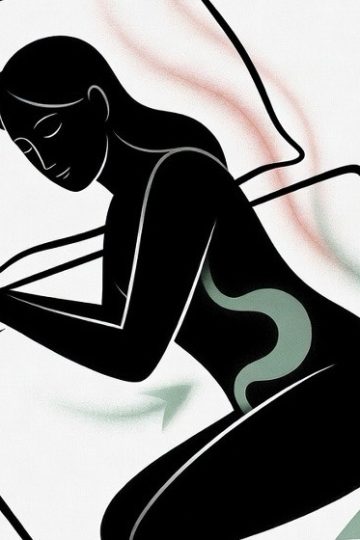
Sleeping on your left side—called the left lateral decubitus position—is widely supported by research as the best way to improve digestion and reduce acid reflux. Gravity keeps the stomach below the esophagus, helping the lower esophageal sphincter stay closed and cutting reflux episodes by up to 50%. This lowers heartburn, nocturnal GERD symptoms, and esophageal […]

Blog

How to Look 10 Years Younger: Proven Anti-Aging Tips

To look 10 years younger, build a simple anti-aging routine focused on proven habits. Start with daily gentle cleansing, exfoliation 2-3 times a week, and moisturizing with retinol, hyaluronic acid, and vitamin C to boost collagen, reduce fine lines, wrinkles, crow’s feet, and dark spots. Always apply SPF 30+ sunscreen and extend care to neck, […]

Blog

Optimize Brain Performance: Boost Memory, Focus, and Health

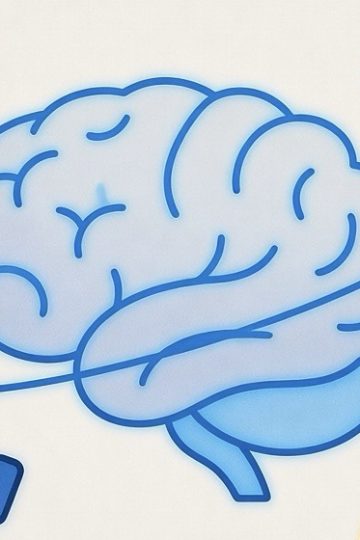
Optimizing brain performance supports memory, focus, productivity, and long-term mental health. Key strategies work by boosting neuroplasticity and cognitive reserve. Regular physical exercise, especially aerobic and strength training, increases blood flow and BDNF to strengthen memory and learning. A healthy diet like the MIND or DASH diet—rich in leafy greens, berries, whole grains, and omega-3 […]

Blog

Sleepmaxxing Guide: Boost Sleep Quality, Energy, and Wellness

Sleepmaxxing promotes better sleep as a key part of modern wellness, helping people counter stress, screen time, and irregular schedules. It focuses on optimizing circadian rhythm with habits like morning sunlight, cool dark rooms, and consistent routines. Quality sleep supports immunity, mental health, cognitive function, and physical recovery, while tools like magnesium, melatonin, weighted blankets, […]

Noted

Pineal Gland

The pineal gland, a small pine cone-shaped endocrine gland in the brain’s epithalamus, produces melatonin—a serotonin-derived hormone that regulates sleep, circadian rhythms, and light-dark cycles. Located near the third ventricle and connected by the pineal stalk, it lacks a blood-brain barrier as a circumventricular organ. Pinealocytes synthesize melatonin, peaking at night under sympathetic control from […]