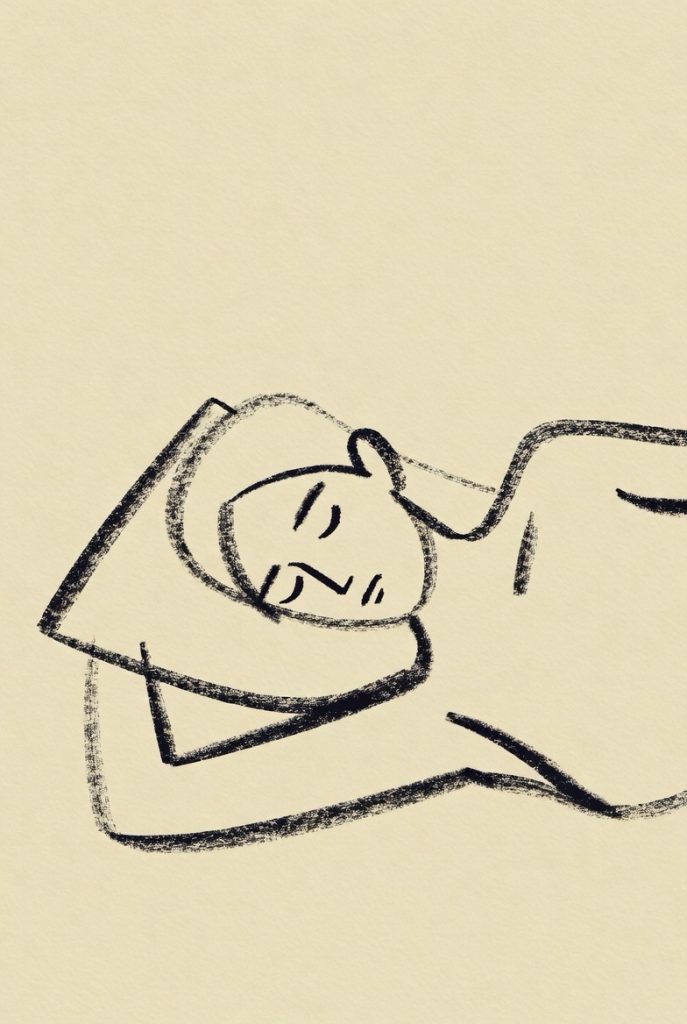
Your sleep position may offer intriguing clues about your personality traits, based on patterns from surveys and psychological observations rather than strict science. The most common fetal position, where you curl up on your side, often links to sensitive, warm-hearted individuals who appear shy at first but form deep connections. Log sleepers, lying straight on their side, tend to be sociable, trusting, and easygoing social butterflies. Yearners reach out with arms extended, suggesting open yet cautious personalities that are resolute and cynical. Back-sleeping soldiers are reserved, disciplined, and perfectionist, while starfish sprawlers are helpful listeners who avoid the spotlight. Freefall stomach sleepers come across as bold, outspoken, and sensation-seeking but sensitive to criticism. These correlations tie into broader traits like extraversion or neuroticism, though factors like health and age influence habits more than positions define character—ultimately providing fun insights for self-reflection and better rest.
Long Version
What Your Sleep Position Reveals About Your Personality
Have you ever considered that the way you curl up—or sprawl out—at night might offer a window into your inner self? For years, people have speculated about the connections between sleeping positions and personality traits, turning bedtime habits into a topic of intrigue and self-discovery. While scientific research on this remains limited and often inconclusive, patterns from surveys and observational studies suggest intriguing correlations that can spark meaningful reflection. This ultimate guide delves deeply into the meanings behind common sleep postures, blending psychological insights with practical analyses to help you understand your own behavioral tendencies. We’ll explore each position’s associated traits, nuances, and real-world implications, all while emphasizing that these are generalizations influenced by factors like age, health, and environment. Whether you’re seeking to decode your emotional world or simply curious about the night language of the body, this resource equips you with fresh perspectives and actionable takeaways for enhanced self-awareness.
At its core, the idea stems from how our subconscious choices in rest reflect daytime attitudes—perhaps a desire to be protected signals sensitivity, or an open stance hints at self-confidence. However, experts stress these links are more anecdotal than proven, drawing from early work like body language analyses and recent surveys of thousands. By examining these through a balanced lens, we can appreciate the fun without overinterpreting. Let’s unpack the science first, then dive into specific postures.
The Scientific Lens: Understanding the Links Between Sleep Positions and Personality
Research into sleep positions and personality traits is sparse, with most insights coming from surveys rather than controlled experiments. A pivotal 2003 study by sleep expert Chris Idzikowski surveyed over 1,000 people, linking postures to traits like introversion or extroversion, but later reviews highlight its limitations—small samples, self-reporting biases, and varying definitions of positions. More recent analyses, including a 2019 OnePoll survey of 2,000 Americans and 2024-2025 studies on actigraphic sleep, show tenuous connections at best. For instance, while fetal sleepers often report higher emotional sensitivity, this might stem from broader factors like anxiety levels rather than the position causing the trait.
Integrating the Big Five personality model—neuroticism, extraversion, openness, agreeableness, and conscientiousness—adds depth. Studies from 2025, such as those in the European Journal of Personality and Nature’s Scientific Reports, associate higher neuroticism with fragmented sleep and poorer quality, regardless of position, while extraversion correlates with efficient rest. Openness might link to shorter wake bouts, suggesting imaginative minds recover quickly. These findings imply personality influences sleep patterns more than positions dictate traits, creating a bidirectional relationship. Age and gender play roles too: older adults favor right-side sleeping for potential blood pressure benefits, and women are twice as likely to adopt fetal positions, possibly reflecting societal emotional norms.
Critically, physical health overrides personality interpretations—stomach sleeping might appeal to bold types but exacerbates back pain, while back positions suit those with respiratory issues. Balanced viewpoints remind us: these are correlations, not causations. If you’re anxious (high neuroticism), you might curl up for comfort, reinforcing the habit. Practical takeaway: Track your position over a week and journal matching traits to spot personal patterns, fostering mindfulness without rigid labels.
Fetal Position: Embracing Vulnerability and Warmth
The fetal position—lying on your side, knees bent toward the chest, often with arms bent or hugging a pillow—remains the most common globally, evoking womb-like security. This curled-up stance suggests a need for protection, aligning with sensitive, introspective personalities.
Core Traits and Psychological Insights
Fetal sleepers frequently display a tough exterior masking a warm-hearted core:
- Shy Yet Sociable Once Trusted: Initial reservation gives way to openness, making them empathetic and quick to form genuine connections.
- Emotional and Thin-Skinned: Heightened sensitivity to criticism or overwhelming situations pairs with creativity and compassion, ideal for nurturing roles.
- Family-Oriented and Anxious at Times: A desire for comfort translates to strong bonds, though they might overthink or feel unsettled by change.
- Conscientious but Perfectionist: High standards drive organization, but self-doubt can emerge in extreme scenarios.
Nuances include the “foetal curl” with hands up by the pillow, amplifying introverted tendencies, or a looser version indicating adaptability. Women predominate here, possibly due to biological comfort factors. If this describes you, leverage your empathetic nature in relationships, but build resilience through routines like pre-bed relaxation to ease any nervy feelings. Observational data links this to higher neuroticism, where emotional instability prompts protective postures, yet it also fosters deep, loyal friendships.
Log Position: Straightforward Sociability
Stretched on your side with arms down and legs extended, the log position embodies simplicity and alignment, appealing to those who value directness.
Behavioral Tendencies and Nuances
Log sleepers often shine in social spheres, blending ease with underlying traits:
- Outgoing and Gregarious: Easy interactions make them fun-loving social butterflies who enjoy crowds without seeking the spotlight.
- Trusting Yet Gullible: An open-minded approach fosters curiosity about the world, but it can lead to defensiveness if betrayed.
- Loyal and Straight to the Point: Excellent friends who offer help readily, they might appear brash but prioritize authentic values.
- Easygoing with Rigid Elements: Playful exteriors hide a resolute streak, balancing impulsivity with reliability.
Variations like the “pillow hugger” add a nurturing layer, suggesting warmth beneath sociability. Linked to higher extraversion in recent studies, this position correlates with better sleep efficiency, though shorter total sleep time. Actionable insight: Harness your gregarious side for networking, but cultivate discernment to avoid over-trusting, enhancing your independent, self-assured vibe.
Yearner Position: Balancing Openness and Caution
Extending from the log, the yearner features arms outstretched as if reaching, on the side with legs slightly bent—a posture of aspiration tempered by grounding.
Personality Nuances and Insights
Yearners embody duality, mixing exploration with skepticism:
- Open-Natured but Suspicious: Curiosity drives new experiences, yet a cynical edge prompts questioning, aiding rational decisions.
- Stubborn and Resolute: High standards and dislike of criticism fuel perseverance, though they can feel overwhelmed without control.
- Empathetic and Able to Compromise: Warm-hearted in relationships, they’re good listeners who value friendship without fuss.
- Creative Yet Defensive: Impulsive ideas meet thin-skinned responses, blending sensation-seeking with protectiveness.
The arms-up element symbolizes ambition, potentially tying to openness in the Big Five, with shorter wake bouts for quick recovery. Gender-neutral but more common in middle-aged adults, it suits independent types. Tip: Channel resoluteness into goals, practicing feedback acceptance to mitigate nervy moments and foster balanced, compassionate interactions.
Soldier Position: Discipline and Reservation
Flat on the back with arms straight down, the soldier evokes order and control, favored by those appreciating structure.
Traits and Psychological Angles
This back-sleeping style aligns with self-confident, high-achieving profiles:
- Reserved and Perfectionist: Quiet providers who set high standards, avoiding center-stage but excelling in rational roles.
- Stubborn Yet Open to Experiences: Rigidity in thinking pairs with underlying boldness, though sensitivity to criticism lurks.
- Self-Assured and Independent: Tough on oneself, they navigate life with composure, often family-oriented.
- Conscientious with Insecurities: Diligence drives success, but overwhelmed feelings can arise in chaos.
Arms up by the pillow softens to a more relaxed, open-minded variant. Studies link back sleeping to conscientiousness, promoting spinal health but risking snoring. For soldier sleepers, use discipline for productivity, incorporating flexibility to address any compulsive tendencies and build emotional resilience.
Starfish Position: Expansive Supportiveness
Back-sleeping with arms up and legs spread, the starfish claims space, reflecting a helpful, carefree demeanor.
Behavioral Insights and Variations
Starfish sleepers prioritize others, with traits like:
- Good Listeners and Warm-Hearted: Excellent friends who interact easily, offering help without craving attention.
- Easygoing and Fun-Loving: Playful natures make them compassionate, though bed-hogging hints at self-assured independence.
- Empathetic Yet Insecure Occasionally: Nurturing exteriors mask vulnerabilities, balancing creativity with loyalty.
- Sociable but Straightforward: Gregarious in crowds, they’re quick to compromise while holding values.
Tied to agreeableness in personality models, this position enhances rest but may crowd partners. Actionable: Embrace your helping role in teams, setting boundaries to prevent feeling thin-skinned, cultivating a free-spirited yet grounded life.
Freefall Position: Dynamic Boldness
Prone on the stomach, arms up or under the pillow, head turned—the freefall suggests surrender with underlying energy.
Personality Profile and Nuances
Freefallers display vibrant, expressive qualities:
- Bold and Outspoken: Brash sociability drives risk-taking, but dislike of criticism reveals a sensitive heart.
- Impulsive and Sensation-Seeking: Fun-loving exteriors hide defensiveness when control slips.
- Compassionate Yet Harsh: Warm with friends, they can be rigid, balancing empathy with high expectations.
- Creative and Self-Confident: Independent streaks fuel curiosity, though anxious moments arise.
Linked to extraversion but poorer sleep quality in studies, it suits creative activities. Tip: Temper impulsivity with reflection to handle criticism better, enhancing your resolute, loyal nature.
Couples’ Dynamics: Relational Insights from Shared Sleep
In shared beds, positions reveal partnership nuances—spooning signals protectiveness and closeness, back-to-back indicates secure independence, while intertwined limbs suggest passion. These can highlight empathy or rigid thinkers, encouraging couples to discuss for stronger bonds. Factors like age influence shifts, with older pairs favoring space for comfort.
Health and Habit Considerations: Beyond Personality
Positions impact well-being—side sleeping aids digestion, back reduces wrinkles but may worsen apnea. Experimenting with pillows can shift habits, addressing insecurities or overwhelmed states. Inclusively, these apply across demographics, respecting diverse experiences.
Final Reflections: Harnessing Insights for Personal Growth
Exploring sleep positions and personality traits uncovers a blend of vulnerability, sociability, and resilience—from fetal curlers’ warmth to freefallers’ boldness. While correlations offer engaging reflections, they’re shaped by broader factors like neuroticism or extraversion, not definitive labels. Use these for self-awareness: Observe, reflect, and adjust for better rest and relationships. Ultimately, quality sleep amplifies your best traits, turning nightly postures into tools for a more authentic, balanced life.