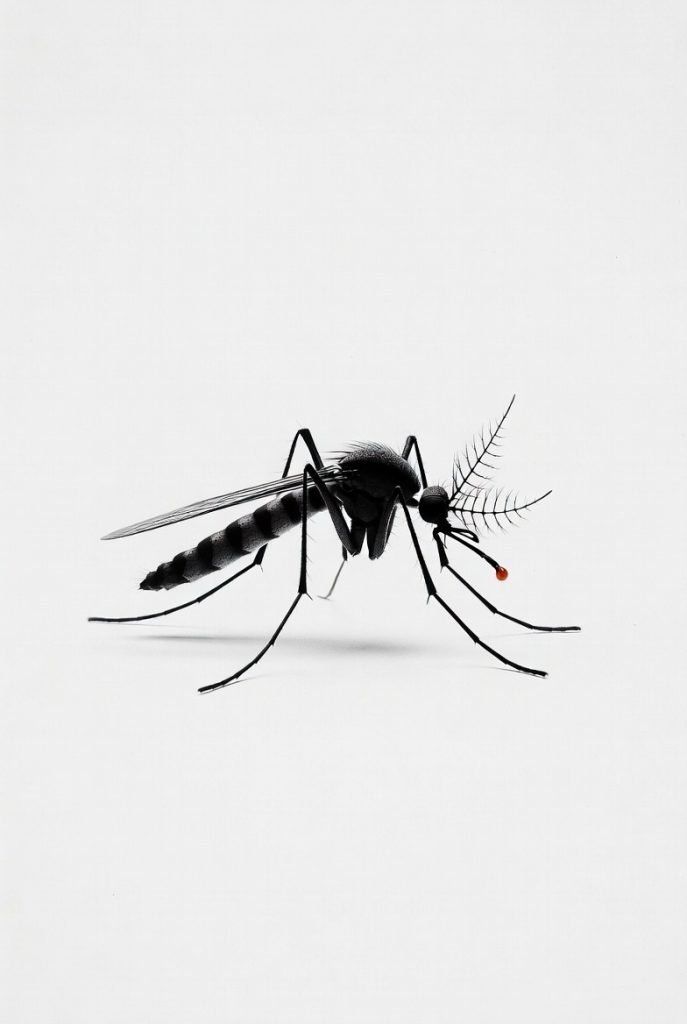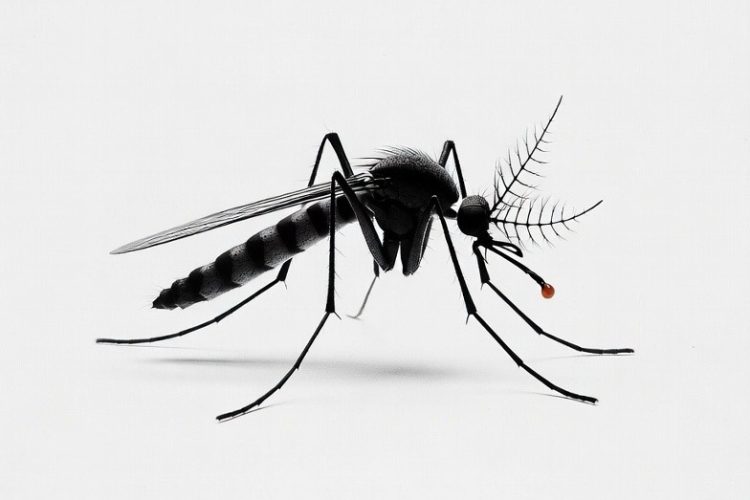
Female mosquitoes have an amazing proboscis—a slender mouthpart with six tiny stylets that work together to pierce skin almost painlessly. Two serrated maxillae saw through the skin, two mandibles spread the wound, the labrum sucks blood, and the hypopharynx injects saliva with anesthetics and anticoagulants to numb the area and keep blood flowing. This clever design lets females feed on blood for egg production while often going unnoticed at first. Unfortunately, the same saliva can transmit deadly vector-borne diseases like malaria, dengue, Zika, and West Nile, causing over 700,000 deaths worldwide each year. On the brighter side, scientists are copying this natural precision through biomimicry to create bioinspired microneedles for painless drug delivery, vaccines, and transdermal patches that reduce pain and tissue damage compared to regular needles. Simple prevention steps like using DEET repellents, planting citronella or lavender, and removing standing water can greatly lower bite risks and help control mosquito-borne illnesses.
Long Version
The Ingenious Mosquito Proboscis: Nature’s Precision Tool for Blood Feeding and Its Role in Disease Transmission and Biomedical Innovation
Mosquitoes, those ubiquitous insects often dismissed as mere pests, possess one of nature’s most remarkable feats of evolutionary biology: the proboscis. In female mosquitoes, this elongated mouthpart isn’t just a simple needle but a sophisticated piercing mechanism composed of six stylets, enabling efficient blood suction while injecting saliva that numbs the area and prevents clotting. This hematophagy process not only sustains the mosquito but also facilitates the transmission of vector-borne diseases, contributing to over 700,000 deaths annually worldwide, according to the World Health Organization. Yet, this same evolutionary precision has inspired cutting-edge microneedle technology, revolutionizing painless drug delivery and microfluidic devices in biotechnology. This article delves into the anatomy, functions, health implications, and bioinspired applications of the mosquito proboscis, providing a complete resource grounded in entomology, public health, and biomedical engineering.
Decoding the Mosquito Proboscis: Anatomy and Mechanics
At first glance, the mosquito proboscis appears as a slender feeding tube, but closer examination reveals a complex assembly of insect anatomy designed for precision. The proboscis consists of six needle-like stylets: two maxillae with serrated edges that act as saws to pierce skin, two mandibles that spread the wound, the labrum which forms a channel for blood suction, and the hypopharynx responsible for salivary injection. This piercing mechanism allows female mosquitoes to penetrate the skin with minimal force, often going unnoticed due to the anesthetics in their saliva.
The process begins with the maxillae and mandibles vibrating subtly to cut through the epidermis, creating a small entry point. As the stylets advance, the labrum probes for blood vessels, while the hypopharynx delivers saliva containing anticoagulants and clotting inhibitors to keep the blood flowing freely. This saliva also includes enzymes that serve as anesthetics, explaining why mosquito bites often don’t hurt initially. Unlike males, which feed solely on nectar using a simpler proboscis, females require blood meals for egg production, making them the primary vectors in disease transmission. High-resolution studies in insect proboscis mechanics highlight how this nanoscale engineering minimizes tissue damage, a trait that has fascinated researchers in evolutionary biology.
Evolutionary Mastery in Blood Feeding
The mosquito’s blood-feeding apparatus is a product of millions of years of natural selection, optimizing for efficiency in hematophagy. Species like Aedes aegypti, Anopheles, and Culex have evolved variations in their proboscis to suit different environments and hosts. For instance, the Aedes mosquito’s proboscis is adapted for quick, opportunistic bites on humans, aiding in the spread of arboviruses. This evolutionary precision ensures the mosquito can locate capillaries rapidly, inject saliva to counteract the host’s immune response, and withdraw blood without triggering immediate pain or clotting.
In tropical diseases hotspots, this adaptation amplifies the mosquito’s role as a vector, where wound spreading and salivary injection facilitate pathogen delivery. Entomological research shows that the proboscis’s flexibility and serrated tips reduce insertion force by up to 80% compared to traditional needles, a key insight driving bioinspiration in modern technology.
The Dark Side: Mosquito-Borne Diseases and Global Impact
While the mosquito proboscis exemplifies nature’s ingenuity, it also poses a profound threat to public health through disease transmission. Mosquito-borne pathogens, including viruses, parasites, and bacteria, hitch a ride in the saliva during blood feeding, infecting hosts worldwide. Common vector-borne diseases include malaria (transmitted by Anopheles mosquitoes), dengue and Zika virus (via Aedes aegypti), West Nile virus (Culex species), chikungunya, yellow fever, and lymphatic filariasis.
Epidemiological statistics paint a grim picture: In 2025, the WHO reported over 3.6 million dengue cases and 1,900 deaths across 94 countries, with chikungunya affecting 445,271 individuals and causing 155 fatalities. West Nile virus saw a 32% increase in deaths in the U.S. alone, with 2,039 human cases reported. Globally, mosquito-borne illnesses account for more than 17% of infectious diseases, with mortality rates exacerbated in tropical regions due to climate change and urbanization. Emerging threats like Oropouche virus further underscore the need for vigilant monitoring of mosquito vectors.
Biomimicry in Action: Mosquito-Inspired Microneedle Technology
Turning adversity into opportunity, scientists have harnessed the mosquito proboscis through biomimicry to develop bioinspired microneedles. These devices mimic the stylets’ piercing mechanism for painless drug delivery, overcoming the limitations of traditional hypodermic needles. By replicating the serrated maxillae and vibration-based insertion, bioinspired microneedles reduce pain and tissue trauma, enabling applications in transdermal patches for vaccines, insulin, and anesthesia.
In microfluidic devices, the proboscis’s multi-channel design inspires nanoscale engineering for precise fluid handling. For example, mosquito-inspired cambered microneedles have been developed for ocular anesthesia, providing rapid numbing without invasive procedures. This biomimetic approach also extends to 3D printing, where proboscis-derived nozzles create ultra-fine structures for tissue scaffolding.
Recent Advancements and Future Prospects
As of 2025, advancements in mosquito-inspired microneedles continue to evolve. A biodegradable chitosan-acetate microneedle, modeled after the proboscis, was fabricated using nanoscale 3D laser lithography, enhancing biocompatibility. Meanwhile, CRISPR techniques have been used to modify female mosquitoes’ proboscis to resemble males’, rendering them unable to bite and potentially curbing disease spread. Controversial research even explores mosquito-vectored vaccines, though ethical concerns about consent remain paramount.
Future directions include integrating vibration-based microneedles with smart sensors for real-time monitoring, addressing challenges in painless injection and drug stability. With ongoing research in bioinspired engineering, these innovations promise to mitigate the very diseases mosquitoes propagate.
Prevention Strategies: Combating Mosquito Bites
Preventing mosquito bites is crucial for reducing disease risk. Effective methods include using repellents with DEET, planting mosquito bite prevention plants like citronella and lavender, and eliminating standing water to disrupt breeding cycles. Community efforts, such as Wolbachia-infected mosquito releases, have shown promise in curbing dengue transmission. Seasonal variations amplify threats in summer, so vigilance during peaks is essential.
Conclusion
The mosquito proboscis stands as a testament to evolutionary biology’s dual-edged sword: a masterful tool for survival that drives devastating disease transmission yet fuels groundbreaking biomimicry in microneedle technology. By understanding its anatomy—from stylets and anticoagulants to its role in vector-borne diseases—we can better combat public health threats while harnessing its precision for biomedical advancements. As global efforts intensify, this tiny insect continues to shape our approach to health and innovation, reminding us that nature’s designs hold keys to both peril and progress.