
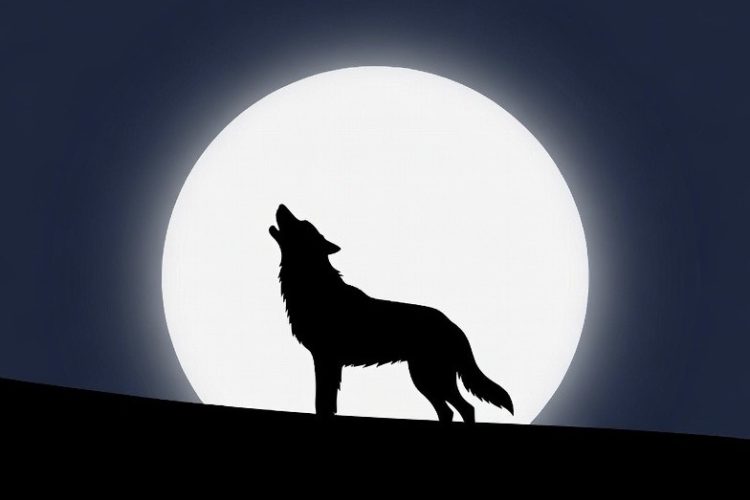
The Wolf Supermoon marked the first full moon of 2026, reaching peak illumination on January 3 at 5:03 a.m. EST, and appeared up to 14% larger and 30% brighter than average due to its alignment with perigee, the moon’s closest approach to Earth. Rooted in Native American and colonial folklore associating January’s cold winters with howling wolves, this event followed supermoons in October, November, and December 2025, serving as the last until November 2026. It lit up night skies globally, with optimal views near the eastern horizon around sunset on January 2 and 3, requiring no telescope but benefiting from clear conditions. In astrology, positioned in Cancer, it promoted emotional introspection and letting go, particularly influencing Cancer, Capricorn, Aries, and Libra signs. Accompanied by a bright Jupiter nearby, it created a dazzling duo but reduced visibility of the Quadrantid meteor shower peaking around the same time. Observers worldwide captured its radiant rise over landmarks, with reports of exceptionally high tides from combined gravitational effects with Earth’s perihelion. Unlike typical full moons, such supermoons slightly amplify tides without significant dangers, delivering a captivating start to the year.
Related Questions, Words, Phrases
what is the wolf supermoon | when is the wolf supermoon 2026 | why is it called wolf supermoon | what time is the wolf supermoon | wolf supermoon january 2026 | how to see the wolf supermoon | is the wolf moon a supermoon | wolf supermoon meaning and significance | when was the first supermoon of 2026 | wolf moon vs supermoon difference | best time to view wolf supermoon | wolf supermoon astrology cancer | how big was the wolf supermoon 2026 | what does wolf supermoon look like | when is the next wolf supermoon after 2026


