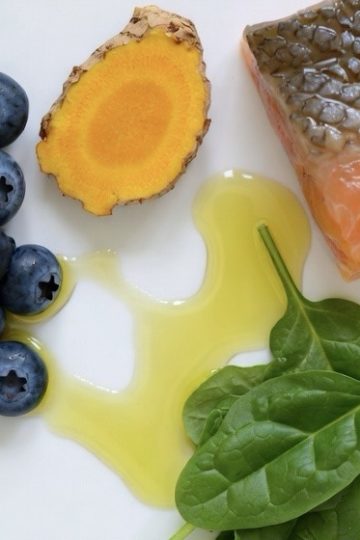
Chronic inflammation drives health issues like heart disease, arthritis, diabetes, and age-related decline (inflammaging) by raising markers such as CRP and IL-6 while increasing oxidative stress. An anti-inflammatory diet helps fight this by focusing on whole, plant-based foods rich in antioxidants, polyphenols, omega-3s (EPA, DHA, ALA), and key compounds like curcumin (turmeric), quercetin (onions, apples), […]
Tag: inflammation
How Nighttime Toothbrushing Reduces Heart Disease Risk
Brushing your teeth at night is more than just a dental habit—it’s crucial for heart health. Poor oral hygiene leads to bacteria buildup that can enter the bloodstream, triggering inflammation linked to cardiovascular disease. Skipping nighttime brushing allows plaque to harden and increase the risk of gum disease, which can worsen conditions like heart attack, […]
Phthalate Dangers: How Everyday Products Harm Your Health
Phthalates, plasticizers in cosmetics, food packaging, and personal care products, act as endocrine disruptors linked to health risks. Exposure occurs via ingestion, inhalation, and skin contact, with higher levels in pregnant women and children. Key biomarkers—urinary metabolites like MEHP, MEHHP, MEOHP, MBP, MEP, and MiBP—are measured using HPLC/MS/MS to assess daily intake and chronic exposure. […]
Are Organic Tallow Fries Healthier Than Fast Food Fries?
Organic tallow fries, made from grass-fed cattle fat, are gaining popularity as a healthier alternative to fast food fries cooked in seed oils. Historically, fries were fried in tallow for crispiness, but concerns about saturated fats led to a shift to seed oils high in omega-6s, which can promote inflammation and chronic diseases like heart […]
Vitamin D: Slow Biological Aging with Key Benefits & Sources
Vitamin D, the “sunshine vitamin,” may slow biological aging by supporting cellular health, reducing inflammation, and protecting against age-related diseases. It promotes telomere maintenance, epigenetic regulation, and mitochondrial function, while combating inflammaging and cellular senescence. Found in fatty fish, fortified foods, and supplements, vitamin D is also synthesized through sunlight exposure. Deficiency, common globally, accelerates […]
Seed Oils & Inflammation: Health Risks & Better Fat Choices
Seed oils like canola, soybean, and corn oil, high in omega-6 fatty acids such as linoleic acid, are linked to chronic inflammation, a driver of heart disease, autoimmune disorders, and metabolic issues. These industrial oils, common in processed foods, disrupt the omega-6 to omega-3 ratio, promote oxidative stress, and may harm gut health. Replacing seed […]
Flush Toxins to Boost Testosterone: Detox for Men’s Health
Toxins like BPA, phthalates, and heavy metals disrupt testosterone by acting as endocrine disruptors, causing low T, fatigue, and poor health. Detoxifying your body can restore hormone balance. Eat cruciferous vegetables, antioxidants, and fiber to support liver detox and gut health. Stay hydrated, avoid processed foods, and use supplements like NAC, milk thistle, and zinc. […]
Molecular Hydrogen Tablets: Benefits, Science, Health Impacts
Molecular hydrogen tablets dissolve in water to create hydrogen-rich water, delivering powerful health benefits. These tablets release hydrogen gas, a selective antioxidant that fights harmful free radicals, reduces oxidative stress, and eases inflammation. They support cellular health, boost energy, and aid muscle recovery, making them popular among athletes. Research shows they may improve heart health, […]
Top Inflammation Stoppers: Why Stopping It Boosts Health
Inflammation is a buzzword in health circles, and for good reason. It’s the body’s natural response to injury or infection, a sign that your immune system is hard at work. But when inflammation lingers too long—becoming chronic inflammation—it transforms from a helpful ally into a silent threat. Left unchecked, it’s linked to serious conditions like […]
Boost Bioavailability: Best Nutrients for Max Absorption
When it comes to nutrition, it’s not just about what you eat or pop as a supplement—it’s about what your body can actually use. That’s where bioavailability comes into play. Bioavailability is the measure of how much of a nutrient, vitamin, mineral, or bioactive compound gets absorbed and utilized in your system. Picture this: you […]