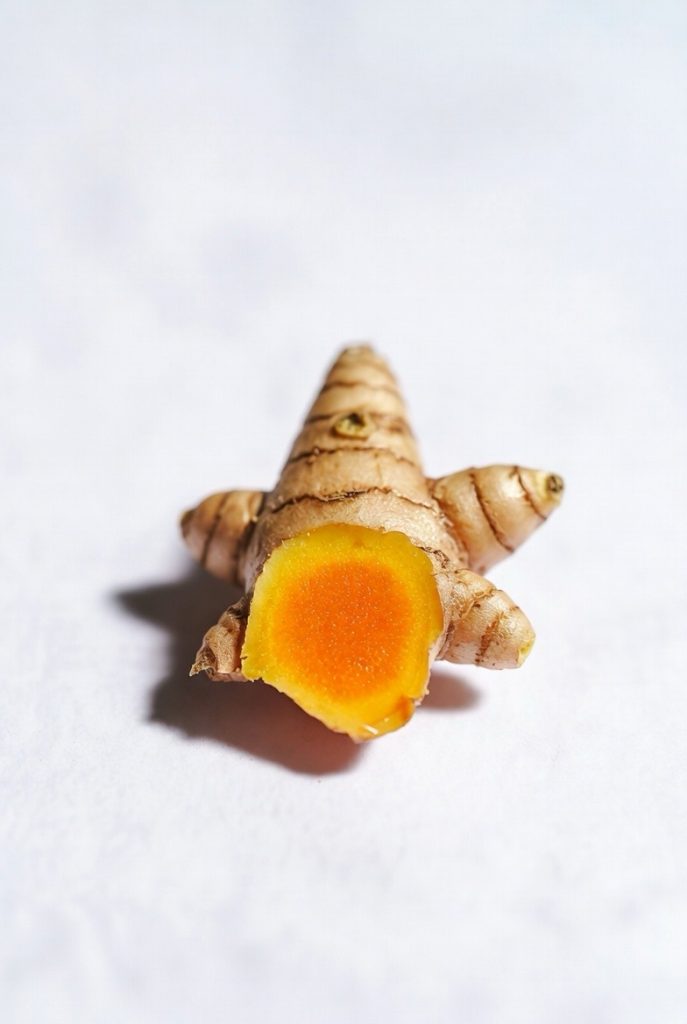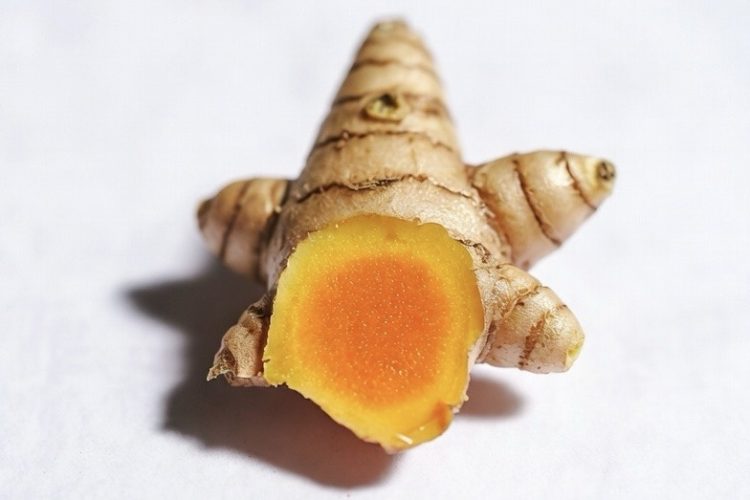
Turmeric, derived from the Curcuma longa root, gains its remarkable health properties primarily from curcumin, a potent anti-inflammatory and antioxidant compound with naturally low bioavailability that improves dramatically when paired with black pepper or fats. Scientific evidence from clinical trials and meta-analyses supports turmeric benefits in reducing chronic inflammation, easing arthritis pain and improving joint function, promoting digestive health and liver function, enhancing cognitive performance and neuroprotection, and offering preliminary adjunctive potential in cancer prevention. While generally safe in culinary amounts, higher doses may cause mild digestive upset, increase bleeding risk, or interact with medications like blood thinners and diabetes drugs, making professional guidance essential. For best results, opt for bioavailable curcumin supplements at 500–2,000 mg daily alongside meals, integrating this golden spice thoughtfully as a complementary tool for lasting wellness rather than a standalone cure.
Long Version
Unlocking the Power of Turmeric: Proven Health Benefits, Risks, and Practical Guidance
In a world increasingly turning to natural remedies, turmeric stands out as a versatile spice with roots in ancient traditions and a growing body of modern evidence. Derived from the Curcuma longa plant, this golden root’s active compound, curcumin, drives many of its acclaimed effects on the human body. If you’re exploring turmeric benefits for inflammation, arthritis relief, digestive support, cognitive enhancement, or even cancer prevention potential, this guide delivers a thorough, balanced overview. We’ll examine scientifically supported advantages, weigh potential risks, recommend optimal dosages and consumption forms, highlight medication interactions, and draw from clinical studies—all synthesized into actionable insights to help you integrate it safely and effectively.
The Fundamentals of Turmeric and Curcumin
Turmeric, often called the “golden spice,” is more than a culinary staple—it’s a rhizome packed with bioactive compounds. Curcumin, its primary curcuminoid, accounts for up to 5% of the spice and is responsible for its potent anti-inflammatory, antioxidant, and antimicrobial properties. These attributes stem from curcumin’s ability to interact with molecular targets, including enzymes, cytokines, and transcription factors, modulating cellular processes at a foundational level.
One key challenge with curcumin is its poor bioavailability; without enhancements, the body absorbs only a fraction. Factors like pairing with piperine from black pepper or consuming with fats can boost uptake by up to 2,000%, making the difference between minimal and meaningful effects. This nuance underscores why form and preparation matter when chasing turmeric health effects.
Scientifically Proven Health Benefits: A Deep Dive
Drawing from meta-analyses, randomized controlled trials, and systematic reviews, turmeric’s benefits are most robust in areas tied to its anti-inflammatory and antioxidant actions. However, outcomes vary by individual factors like genetics, diet, and health status, emphasizing a complementary rather than curative role.
Combating Inflammation: Foundation for Broader Wellness
At the heart of many chronic conditions is persistent inflammation, and curcumin excels here by suppressing pro-inflammatory pathways. It downregulates NF-κB, a key regulator of immune responses, and reduces levels of inflammatory mediators like TNF-α, IL-6, and CRP. Evidence from umbrella reviews aggregating dozens of trials shows consistent reductions in these markers among adults with metabolic issues or post-exercise soreness.
This translates to practical perks: For those with everyday inflammation from stress or poor diet, turmeric could foster a calmer internal environment. Balanced perspectives note that while effective, it’s not superior to all pharmaceuticals and works best as part of an anti-inflammatory lifestyle including exercise and omega-3s.
Alleviating Arthritis: Targeted Joint Support
Arthritis, encompassing osteoarthritis and rheumatoid types, plagues over 350 million globally with pain and mobility loss. Curcumin’s anti-arthritic effects shine in clinical settings, where it inhibits cartilage breakdown enzymes and eases oxidative stress in joints. A synthesis of 15 randomized trials revealed significant pain reduction and improved function scores, often rivaling ibuprofen with fewer gastrointestinal complaints.
For rheumatoid arthritis, studies demonstrate lowered disease activity and erythrocyte sedimentation rates, suggesting immune-modulating benefits. In osteoarthritis-focused research, bioenhanced curcumin at 500 mg daily improved walking distance and reduced reliance on rescue medications. Nuances include better results in early-stage disease and when combined with glucosamine, but long-term data highlights the need for ongoing use to sustain gains. This positions turmeric as a viable natural joint aid, especially for those seeking alternatives to long-term NSAID use.
Enhancing Digestion: Gut Harmony and Liver Protection
Turmeric’s digestive benefits trace back to its cholagogic effects, stimulating bile production for better fat breakdown. In nonalcoholic fatty liver disease, trials show improved liver enzymes (ALT and AST) and reduced hepatic fat, with one meta-analysis confirming benefits across 600+ participants. For inflammatory bowel conditions like ulcerative colitis, curcumin as an adjunct to standard therapy increased remission rates by modulating gut microbiota and barrier function.
IBS sufferers may experience less bloating and cramping, per small-scale studies, due to its spasmolytic properties. Emerging angles include its role in microbiome diversity, potentially aiding prebiotic-like effects. Limitations: Effects are dose-dependent and may not resolve severe cases alone, but integrating turmeric for digestion can complement probiotics and fiber for holistic gut health.
Supporting Cognitive Function: Sharpening the Mind
Cognitive decline, from age-related fog to neurodegenerative risks, benefits from curcumin’s neuroprotective traits. It crosses the blood-brain barrier to quench free radicals, boost BDNF for neuron growth, and clear amyloid-beta plaques linked to Alzheimer’s. Clinical evidence from placebo-controlled trials indicates improved memory recall and attention in middle-aged adults, with one study showing sustained benefits over 18 months.
Meta-analyses link higher curcumin intake to lower depression scores via serotonin and dopamine modulation. For mild cognitive impairment, preliminary data suggests slowed progression, though larger cohorts are needed. Innovative insights: In a 2026 wellness landscape emphasizing brain resilience amid digital overload, turmeric could pair with mindfulness practices for amplified cognitive perks, always viewing it as preventive rather than therapeutic.
Exploring Cancer Prevention: Cautious Optimism
Curcumin’s anticancer potential arises from its multi-target approach: inhibiting cell proliferation, promoting apoptosis, and disrupting metastasis pathways. Lab and animal models show promise against colorectal, breast, and prostate cancers, with human trials indicating reduced polyp formation in familial adenomatous polyposis.
Adjunctive use in chemotherapy has yielded better tolerance and response rates in some reviews, potentially via sensitizing cancer cells. However, human evidence remains preliminary; a comprehensive analysis notes inconsistent results due to bioavailability issues and small sample sizes. Balanced view: While contributing to risk reduction through antioxidant actions, it’s no substitute for screenings or treatments—lifestyle factors like not smoking outweigh isolated spice use.
Additional Perks: Heart, Diabetes, and Beyond
Turmeric extends to cardiovascular health by improving endothelial function, lowering LDL oxidation, and modestly reducing blood pressure in hypertensive groups. For diabetes, it enhances insulin sensitivity and curbs post-meal glucose spikes, per meta-analyses. Skin benefits include accelerated wound healing via collagen synthesis, while antimicrobial effects combat minor infections.
Holistic takeaway: These turmeric benefits interconnect, with anti-inflammatory threads weaving through, but individual responses vary—genetic polymorphisms in curcumin metabolism can influence efficacy.
Potential Risks and Side Effects: A Realistic Assessment
Turmeric is safe for most in culinary doses (up to 3 grams daily), but concentrated forms warrant caution. Mild turmeric side effects include gastrointestinal discomfort, like nausea or diarrhea, affecting 7-9% in high-dose trials. Rare but serious: Elevated liver enzymes in susceptible individuals, especially with preexisting liver conditions or concurrent hepatotoxins.
Its oxalate content raises kidney stone risk for prone people, while blood-thinning properties amplify bleeding tendencies, contraindicating use near surgery or with clotting disorders. Pregnancy concerns involve potential uterine stimulation at high doses, advising moderation. Allergic reactions, though uncommon, can manifest as dermatitis.
Long-term effects appear benign up to 8 grams daily for months, but monitoring is key. Ethical nuance: Overhyping benefits without risk discussion erodes trust; always prioritize informed use.
Optimal Dosages: Tailoring for Efficacy
Curcumin dosage recommendations hinge on goals: 500-1,000 mg daily for general anti-inflammatory effects, scaling to 1,200-1,800 mg for arthritis or cognitive support. Clinical studies often use 400-600 mg thrice daily, with safe thresholds up to 12 grams of turmeric powder (yielding 200-600 mg curcumin).
Bioavailability matters—unenhanced forms need higher doses, while liposomal or piperine-combined versions achieve results at lower levels. Start low (250 mg curcumin) to assess tolerance, adjusting based on body weight (e.g., 15-20 mg/kg). Actionable tip: Track symptoms via a journal for personalized optimization, consulting professionals for condition-specific guidance.
Best Forms of Consumption: From Root to Supplement
Choosing the best turmeric form optimizes benefits. Fresh root, grated into dishes or teas, preserves volatile oils for subtle digestive aid but offers lower curcumin yields. Powdered spice integrates easily into foods like curries or golden milk, ideal for daily intake.
For targeted perks, turmeric supplements reign: Seek 95% curcuminoid extracts with enhancers like black pepper for superior absorption. Liposomal or nanoparticle forms excel for cognitive or cancer-related aims. Supplements vs. fresh root: The former suits therapeutic needs, the latter culinary wellness. Sustainable, organic options align with 2026 ethical sourcing trends, ensuring purity without contaminants.
Medication Interactions: Navigating Safely
Turmeric medication interactions stem from its influence on cytochrome P450 enzymes and blood dynamics. It potentiates anticoagulants (warfarin, heparin), risking excessive bleeding, and enhances hypoglycemics, potentially causing lows. With immunosuppressants like tacrolimus, absorption increases, demanding dose adjustments.
Chemotherapy agents (cyclophosphamide) may see altered efficacy, while estrogens or thyroid meds could interact unpredictably. Over 100 moderate interactions exist; always disclose use to healthcare providers. Proactive step: Use interaction checkers mentally by categorizing risks—high for blood thinners, moderate for others.
Evidence from Clinical Studies: Synthesizing the Science
Turmeric clinical studies number in the thousands, with strongest data from double-blind trials. Inflammation meta-analyses (over 1,000 participants) affirm marker reductions; arthritis reviews (10+ studies) confirm pain relief equaling diclofenac. Digestion research highlights NAFLD improvements in 500+ subjects, while cognitive trials show BDNF boosts in elderly cohorts.
Cancer adjunct evidence spans 20+ trials, noting better quality of life. Limitations: Heterogeneity in dosing and populations calls for standardized protocols. Fresh analysis: As 2026 research evolves with AI-driven trials, expect refined insights, but current consensus supports adjunctive use with caveats for over-reliance.
Empowering Your Choices: Key Takeaways
Turmeric, fueled by curcumin, delivers proven perks in inflammation reduction, arthritis management, digestion enhancement, cognitive support, and tentative cancer prevention, backed by robust clinical evidence. Optimal curcumin dosage and bioavailable forms like piperine-enhanced supplements maximize gains, while awareness of turmeric side effects, risks, and interactions ensures safety.
This spice isn’t a panacea but a powerful ally in a balanced regimen. By choosing quality sources and listening to your body, you can harness its potential responsibly, fostering lasting wellness through informed, nuanced integration.