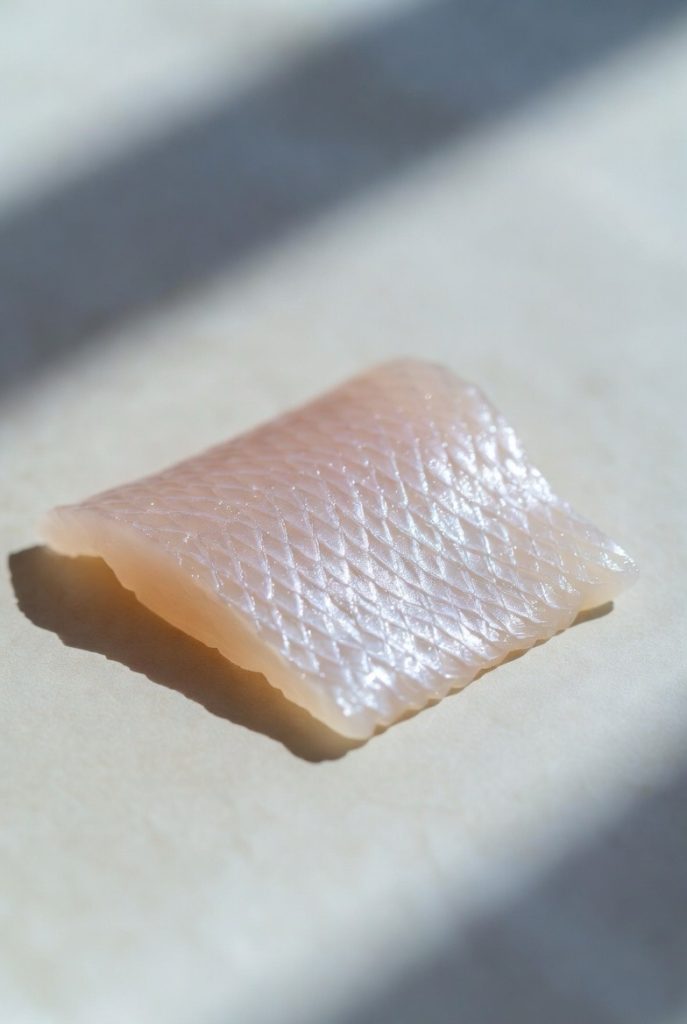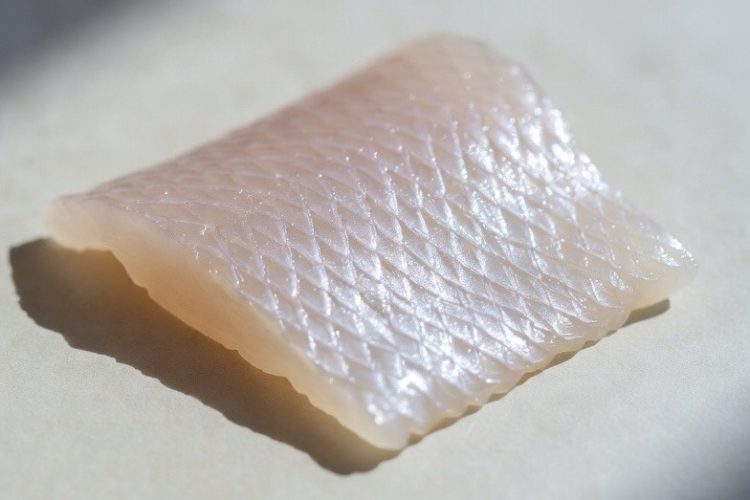
Sterilized fish skin from Nile tilapia and Atlantic cod is transforming burn care as an innovative temporary dressing that promotes faster healing, reduces pain, lowers infection risk through natural antimicrobial peptides, and minimizes dressing changes thanks to its high collagen content and excellent moisture retention. This biological graft closely mimics human skin, providing a supportive scaffold for tissue regeneration while maintaining a hydrated wound environment that supports quicker re-epithelialization and less scarring. Developed initially in Brazil and Iceland to repurpose aquaculture byproducts sustainably, it offers an affordable, eco-friendly alternative to traditional options like silver sulfadiazine, with clinical evidence showing shorter recovery times, fewer interventions, and comparable or better infection control—making it a practical, patient-centered choice for superficial to partial-thickness burns in diverse healthcare settings.
Long Version
Revolutionizing Burn Care: The Power of Sterilized Fish Skin as a Temporary Dressing
Burn injuries remain a significant global health challenge, impacting millions annually with severe pain, infection risks, and potential long-term disabilities. While conventional approaches like silver sulfadiazine creams or synthetic bandages have been staples, they often involve frequent interventions, heightened discomfort, and variable outcomes. A groundbreaking alternative has emerged from nature: sterilized fish skin grafts, sourced primarily from Nile tilapia and Atlantic cod. This piscine graft leverages inherent biological properties to accelerate healing, alleviate pain, mitigate infection through antimicrobial peptides, and decrease dressing frequency due to exceptional collagen levels and moisture retention. In this exhaustive guide, we unpack the science, applications, advantages, challenges, and forward-looking trends of fish skin burn treatment, equipping patients, caregivers, and professionals with a definitive resource for informed decision-making in sustainable wound care.
Historical Context and Development of Fish Skin Grafts
The concept of using animal tissues for human wounds dates back centuries, from ancient xenografts like frog skin to modern porcine derivatives. Fish skin’s entry into medical practice intensified around 2010, initially in Brazil where Nile tilapia abundance addressed shortages of traditional grafts. Local innovators sterilized tilapia skins via chemical treatments and gamma irradiation, converting aquaculture byproducts into viable medical tools. This innovation extended to veterinary wound care, treating burns in animals like horses and dogs, before human applications gained momentum.
Parallel advancements occurred with Atlantic cod skin, particularly through Icelandic processing into acellular matrices like the Kerecis Omega3 Wound Matrix. Harvested from sustainable North Atlantic stocks, cod skin incorporates omega-3 fatty acids for anti-inflammatory benefits. By 2026, extensive clinical validation has elevated these therapies from experimental to mainstream, aligning with global shifts toward eco-friendly medical solutions that repurpose fish waste for ethical, low-impact healing.
The Biological Foundations: Why Fish Skin Excels in Burn Recovery
Fish skin’s structure parallels human dermis, featuring a dense network of collagen fibers—predominantly type I in tilapia and enriched with omega-3 in cod—that forms a robust scaffold for tissue regeneration. This collagen burn treatment promotes fibroblast infiltration and keratinocyte proliferation, essential for re-epithelialization. Antimicrobial peptides, naturally occurring in fish mucus and skin, provide a built-in defense against common burn pathogens like Staphylococcus aureus and Pseudomonas aeruginosa, reducing reliance on external antibiotics amid growing resistance concerns.
Moisture retention dressing capabilities stand out, as the graft maintains an optimal hydrated environment, preventing desiccation and supporting moist wound healing. Unlike dry alternatives, this minimizes crusting and enhances comfort. Sterilization processes, including decellularization to remove immunogenic components, ensure biocompatibility, transforming raw piscine material into a safe, acellular fish dermis ready for immediate use.
Comparing Key Variants: Nile Tilapia Xenograft vs. Atlantic Cod Graft
Selecting between tilapia and cod depends on burn depth, location, and resource availability. Nile tilapia skin burn treatment, derived from Oreochromis niloticus, thrives in treating superficial partial-thickness burns, common in scalds or flashes. Its peptide-rich graft accelerates healing by 20-30% in trials, with high collagen content fostering rapid tissue integration. Ideal for warmer climates where infection risks escalate, tilapia offers affordability, often 40-60% cheaper than synthetics.
Atlantic cod skin for burns, from Gadus morhua, suits deeper or chronic wounds. The omega3 wound matrix reduces inflammation and enhances blood flow, as evidenced in porcine models showing superior re-epithelialization over bovine alternatives. Processed to preserve fatty acids, it provides tensile strength for larger areas, making it versatile for inpatient settings. Both variants share low immunogenicity, but cod’s cold-water origins yield added antiviral properties, while tilapia’s tropical sourcing supports scalability in diverse regions.
Comprehensive Benefits: From Pain Relief to Cost Savings
Fish skin grafts deliver multifaceted advantages, transforming burn management into a more patient-centered process.
Enhanced Speed in Natural Burn Healing
Superficial burns typically heal in 10-14 days with fish skin, versus 14-21 days traditionally. The collagen-based graft acts as a biological accelerator, drawing cells to the site for quicker closure and reduced scarring.
Significant Burn Pain Reduction
Adherence minimizes trauma during changes, with patients reporting 30-50% lower pain scores. This low-pain burn aid decreases analgesic needs, improving quality of life during recovery.
Lowering Infection Risk in Burns
Antimicrobial burn dressing properties curb infections to under 5% in studies, a marked improvement over silver-based options that may cause cytotoxicity. This eco-antibacterial aid aligns with antibiotic stewardship.
Reduced Frequency of Dressing Changes
Long-lasting adhesion means 1-3 changes total, versus daily with gauze, saving time and resources while preventing secondary injuries.
Economic and Accessibility Advantages
As a sustainable wound care option, fish skin repurposes byproducts, slashing costs in low-resource areas. Global trials highlight its equity in bridging care gaps.
Broader Applications Beyond Human Burns
Veterinary extensions treat animal burns from wildfires, with similar efficacy, underscoring versatility.
Evidence from Clinical Trials and Real-World Use
Rigorous studies affirm these benefits. Phase III randomized trials on tilapia for partial-thickness burns demonstrate faster re-epithelialization (9-11 days) and lower costs compared to silver sulfadiazine. Cod grafts in multi-center research show enhanced granulation and contraction, particularly post-debridement. Pediatric cases reveal scar-free outcomes in superficial burns, while adult cohorts report improved functionality.
Balanced evidence notes comparable infection rates to standards, with no increased rejection. Emerging data on combined therapies for third-degree burns positions fish skin as a stabilizing bridge to autografts.
Step-by-Step Integration into Burn Care Protocols
Preparation involves ethical sourcing, sterilization, and storage in refrigerated or lyophilized forms. Application: Debride the wound, apply the graft directly for adherence, and monitor every 2-3 days. Suitable for outpatient superficial burns or inpatient deeper ones, it integrates seamlessly with existing protocols.
For diverse personas—beginners like families handling minor incidents appreciate its natural appeal; experts value data-driven efficacy in complex cases.
Evaluating Against Burn Dressing Alternatives
Versus silver sulfadiazine: Fish skin offers superior comfort and speed, though silver provides broader initial coverage. Compared to pig skin: Lower zoonotic risks and better adhesion favor fish. Synthetics ensure uniformity but lack natural peptides. In eco-friendly dressings, fish leads with minimal environmental footprint.
Addressing Challenges and Limitations
Potential drawbacks include mild odor (mitigated by advanced processing), challenges adhering to contoured areas like joints (resolved with overlays), and regional availability variances. Rare allergies warrant screening, and it’s not standalone for full-thickness burns. Ethical considerations emphasize sustainable harvesting to avoid ecological strain.
Emerging Trends in 2026: Sustainability and Innovation
By 2026, fish skin aligns with sustainability trends, earning recognition for reducing greenhouse emissions through waste repurposing. AI-optimized fish skin treatments personalize applications, while CMS coverage expands access. Future expansions include hydrogel hybrids for enhanced delivery and broader use in wildfire seasons or rural settings, fostering global adoption.
Final Insights: Embracing a Sustainable Path to Recovery
Sterilized fish skin from Nile tilapia or Atlantic cod redefines temporary burn dressings, delivering faster healing, pain minimization, infection control via antimicrobial peptides, and fewer changes through high collagen and moisture retention. This innovative, eco-conscious therapy not only addresses immediate needs but promotes long-term equity and resilience in wound care. Consult professionals to explore its fit—it’s a natural evolution toward kinder, more effective healing.