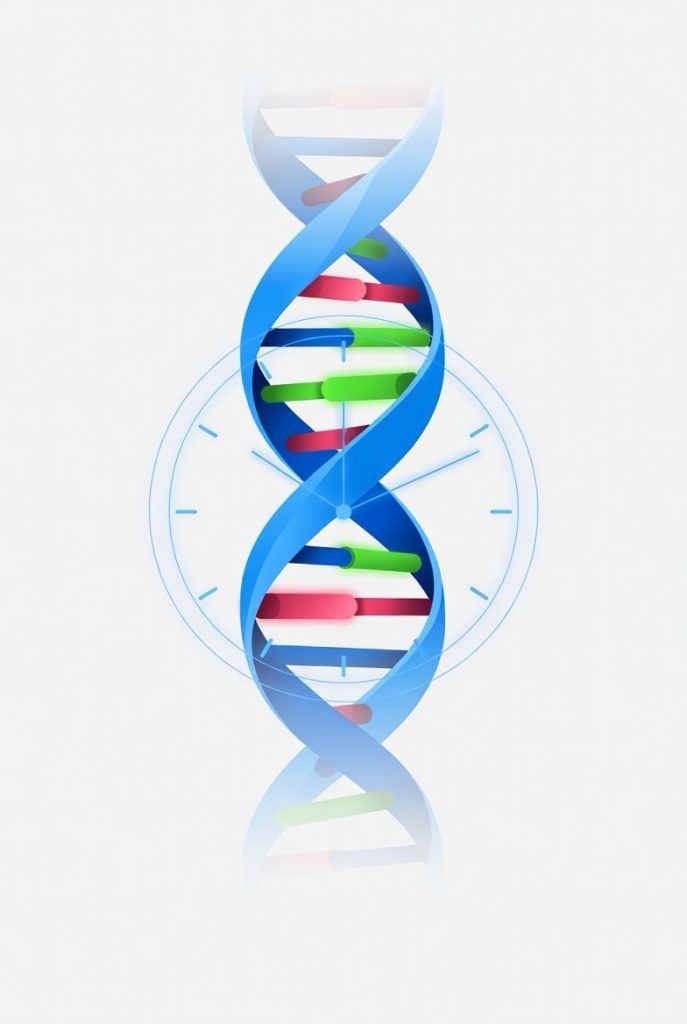
Aging isn’t just about chronological age—your biological age reflects your body’s true health and can be influenced by epigenetics. While DNA is fixed, epigenetics acts like switches, turning genes on or off through mechanisms like DNA methylation, histone modifications, and chromatin remodeling. Lifestyle factors—diet, exercise, sleep, and stress management—can slow epigenetic drift, reduce age acceleration, and promote longevity. Tools like epigenetic clocks (Horvath, GrimAge, PhenoAge, DunedinPACE) measure biological age via DNA tests, revealing how fast you’re aging. Interventions such as caloric restriction, intermittent fasting, nutrient-rich diets, and exercise can reverse epigenetic markers, lowering risks of age-related diseases. Emerging research on cellular reprogramming with Yamanaka factors hints at potential age reversal. By making smart lifestyle choices and tracking biological age, you can optimize healthspan and take control of how you age.
Long Version
Unlocking the Aging Code: The Role of Epigenetics in Shaping Biological Age and Longevity
Aging is an inevitable part of life, but recent scientific advancements reveal that it’s not solely dictated by our chronological age—the number of years we’ve lived. Instead, our biological age, which reflects the true state of our body’s health and function, can be influenced by a dynamic interplay between genetics and epigenetics. While our DNA sequence remains largely fixed from birth, epigenetics acts as a regulatory layer, switching genes on or off in response to environmental and lifestyle factors. This “aging code” offers profound insights into how we can optimize healthspan—the period of life spent in good health—and potentially achieve rejuvenation or age reversal through targeted interventions.
Genetics Versus Epigenetics: The Foundation of Aging
At its core, aging involves a gradual decline in cellular and physiological functions, leading to increased vulnerability to age-related diseases. Genetics provides the blueprint: our DNA contains the instructions for building and maintaining our bodies. However, epigenetics overlays this blueprint, modifying gene expression without altering the DNA sequence itself. Key epigenetic mechanisms include DNA methylation, where methyl groups attach to CpG sites on the DNA, influencing whether genes are active or silent. Other processes, such as histone modification—including histone acetylation—and chromatin remodeling, further regulate access to genetic information.
Epigenetic drift, the accumulation of random changes in these modifications over time, contributes to aging by disrupting normal gene expression patterns. This drift can accelerate biological aging, leading to phenomena like genomic instability, cellular senescence, and stem-cell exhaustion. Unlike fixed genetic mutations, epigenetic changes are reversible, opening doors to interventions that could reprogram how we age and enhance cellular renewal while mitigating cellular death.
Epigenetic Clocks: Measuring Biological Age
One of the most groundbreaking tools in aging research is the epigenetic clock, a biomarker of aging that estimates biological age based on DNA methylation patterns across the methylome—the complete set of DNA methylation sites in the genome. These clocks go beyond chronological age by quantifying age acceleration or deceleration, where epigenetic age acceleration indicates faster biological aging and higher risk of age-related diseases.
Pioneering models include the Horvath clock (or Horvath’s epigenetic clock), which uses 353 CpG sites to predict age across various tissues with remarkable accuracy. The Hannum clock focuses on blood-specific methylation patterns, while second-generation clocks like PhenoAge (DNAm PhenoAge) incorporate clinical biomarkers to predict health outcomes more precisely, offering a practical understanding of aging’s impact on daily function. GrimAge (DNAm GrimAge) stands out for its strong association with mortality risk, factoring in lifestyle-related plasma proteins. More recent advancements, such as DunedinPACE, measure the pace of aging rather than absolute age, drawing from longitudinal data to assess how quickly an individual is deteriorating. Intrinsic Epigenetic Age Acceleration (IEAA) isolates age-related changes independent of blood cell composition, providing a purer measure of cellular aging.
Recent developments have refined these tools to cell-type resolution, allowing for detailed insights into how specific cells age differently, which is particularly useful for understanding diseases like Alzheimer’s, liver pathologies, and even glaucoma progression. Multi-clock frameworks combine several epigenetic clocks to improve accuracy, especially in animal models like mice, and large-scale studies evaluating multiple clocks across hundreds of disease outcomes have strengthened links between biological age and health risks.
These epigenetic markers allow researchers to track biomarkers of aging, such as DNAmAge (DNA methylation age), offering a window into how epigenetic modifications drive longevity.
Lifestyle Factors: Switching Genes for Better Aging
Lifestyle interventions play a pivotal role in modulating epigenetics, effectively reprogramming gene expression to slow aging. Diet, exercise, sleep, and stress management are foundational lifestyle factors that influence epigenetic patterns. For instance, caloric restriction—a reduction in calorie intake without malnutrition—has been shown to extend healthspan by activating sirtuins, a family of proteins that promote DNA repair and metabolic efficiency. Sirtuins rely on NAD+ boosters, which decline with age but can be replenished through supplements or habits like intermittent fasting.
Specific diets, such as the Mediterranean diet or DASH diet, rich in nutrients supporting one-carbon metabolism (involving B vitamins and choline), enhance DNA methylation stability. Exercise induces beneficial histone modifications and reduces epigenetic age acceleration by enhancing chromatin remodeling. Similarly, quality sleep aligns circadian rhythms, preventing disruptions in epigenetic regulation, while chronic stress management techniques can counteract negative effects like accelerated epigenetic drift.
Studies demonstrate that comprehensive lifestyle interventions, combining diet, exercise, and stress management, can reverse epigenetic clocks. In trials, participants following nutrient-dense, plant-based diets saw reversals in Horvath DNAmAge, suggesting a slowdown in biological aging and reduced risk of age-associated disorders.
Epigenetic Tests: Tools for Personalized Health Optimization
To measure biological age, epigenetic tests analyze DNA from blood or saliva, focusing on methylation at specific CpG sites. These tests provide actionable insights, allowing individuals to track how lifestyle changes affect their aging trajectory. For example, accelerated aging detected via GrimAge might prompt interventions to mitigate risks of age-related diseases like cardiovascular issues or neurodegeneration.
Commercial tests, grounded in models like PhenoAge, offer DNAmAge estimates with high correlation to chronological age, enabling personalized strategies for longevity. By identifying epigenetic markers of drift or acceleration, these tools empower users to optimize health through targeted lifestyle adjustments, with emerging applications in predicting disease progression for conditions such as glaucoma.
Reprogramming Aging: From Theory to Potential Rejuvenation
The frontier of aging research lies in cellular reprogramming, where epigenetic modifications are reset to a youthful state. Yamanaka factors (OSKM: Oct4, Sox2, Klf4, c-Myc), originally used to create induced pluripotent stem cells, have shown promise in partial reprogramming or transient reprogramming. This approach avoids full dedifferentiation, instead reversing epigenetic changes associated with aging without risking tumor formation.
Research indicates that cyclic expression of these factors can reduce epigenetic age acceleration and improve tissue function, hinting at true age reversal. Combined with lifestyle factors, such as caloric restriction and NAD+ enhancement, reprogramming holds potential for extending healthspan and combating age-related diseases. Recent explorations suggest that turning back the epigenetic clock could lead to broader rejuvenation, with ongoing work examining its feasibility in humans.
Linking Epigenetics to Age-Related Diseases and Healthspan
Epigenetic dysregulation underpins many age-related diseases, from cancer to Alzheimer’s, where aberrant DNA methylation silences tumor-suppressor genes or promotes inflammation. By addressing epigenetic drift through interventions, we can enhance healthspan, delaying the onset of these conditions and promoting longevity. Expanded studies now link epigenetic clocks to a wide array of diseases, reinforcing their role in predictive health assessments.
Future Directions in Epigenetic Aging Research
Ongoing studies explore advanced epigenetic clocks and novel interventions, including AI-driven analysis of the methylome for precise predictions. Critical examinations of these clocks question their necessity while affirming their value as proxies for health. As research evolves, integrating lifestyle interventions with pharmacological aids like HDAC inhibitors (histone deacetylase inhibitors) could make age reversal a reality, transforming how we approach aging. Emerging multi-clock approaches and cell-specific insights promise even greater precision in tackling aging and related disorders.
In summary, epigenetics demystifies the aging code, showing that while DNA is fixed, our choices in diet, exercise, and sleep can switch genes to favor youthfulness. By leveraging epigenetic tests and reprogramming strategies, we gain control over biological age, paving the way for healthier, longer lives. This field underscores an empowering truth: aging is not just fate—it’s malleable.