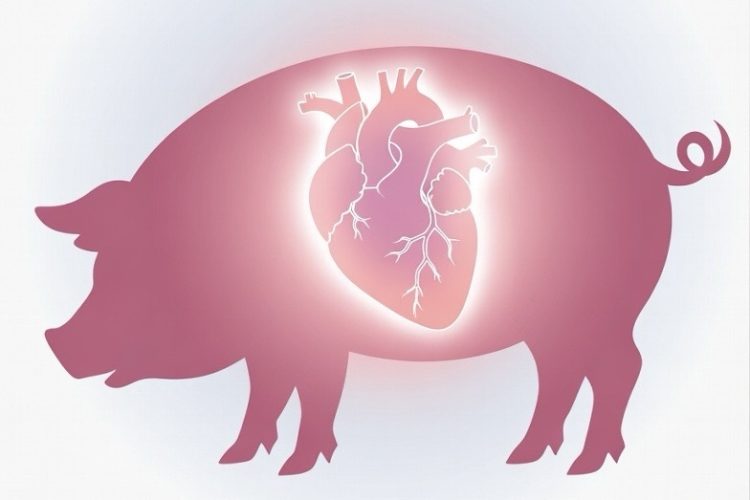
Japan lifted its ban on human-animal embryo research in 2019, allowing scientist Hiromitsu Nakauchi to lead efforts in growing human organs inside animals like pigs using induced pluripotent stem cells (iPS cells). The technique, called blastocyst complementation, injects human cells into genetically modified animal embryos to create human-animal chimeras that develop targeted organs, such as pancreases or kidneys, aiming to solve severe organ shortages and long transplant waiting lists through xenotransplantation. While promising for regenerative medicine and treating diseases like diabetes, the work raises serious ethical concerns about animal welfare, human dignity, species boundaries, and risks of unintended brain humanization or cognitive enhancement. Strict rules, including the 14-day embryo limit and bans on full gestation, help address these issues, though debates continue over moral status and public acceptance. Progress remains challenging due to low cell integration success, but ongoing research holds potential to revolutionize organ availability if balanced with strong bioethical oversight.
Long Version
Advancing Regenerative Medicine: Japan’s Trailblazing Path in Human-Animal Chimera Research
In 2019, Japan made headlines by lifting a longstanding ban on embryo experiments involving human-animal hybrids, marking a pivotal shift in regenerative medicine. This government approval allowed scientists, led by Hiromitsu Nakauchi of the University of Tokyo and Stanford University, to pursue innovative stem cell research aimed at addressing critical donor shortages in organ transplantation. By injecting human induced pluripotent stem cells (hiPS cells) into animal embryos, researchers seek to grow functional human organs inside surrogates like pigs and rats, potentially revolutionizing transplant waiting lists worldwide. While this hybrid research holds promise for alleviating organ development crises, it also sparks intense debates in bioethics, particularly around animal welfare, human dignity, and species boundaries.
The Scientific Foundations of Chimeric Embryos
At the core of this work lies induced pluripotent stem cells (iPS cells), a breakthrough technology that reprograms adult cells into a pluripotent state capable of differentiating into any cell type. Hiromitsu Nakauchi’s team employs these hiPS cells in blastocyst complementation, a technique where human cells are introduced into early-stage animal embryos deficient in specific organ-forming genes. This process fosters human-animal chimeras—organisms blending human and non-human cells—enabling targeted organ generation. For instance, in pancreas-specific treatment approaches, researchers disable the animal’s pancreatic development genes, allowing human cells to fill the void and form a human pancreas within the host.
Human/non-human chimeras (HNH chimeras) extend beyond simple hybrids; they involve intricate human cell integration, where glial progenitor cells from humans could enhance synaptic plasticity in the animal brain, raising questions about neoteny and potential cognitive enhancement. Cross-species experiments have shown varying success rates, with studies demonstrating the creation of human-pig chimeric renal organoids using iPS cells, though full interspecies organogenesis remains elusive. Similarly, research has generated a humanized mesonephros in pigs via embryo complementation, highlighting progress in xenotransplantation—the transplantation of organs across species. These advancements build on earlier efforts, such as injecting human cells into pig blastocysts to promote organ development, but challenges persist in achieving viable, transplantable organs without unintended humanization. Recent breakthroughs include growing human-like kidneys in pigs with 50-60 percent human cells and inserting human brain genes into monkey embryos, expanding the scope to chimeric brain models for studying neurological disorders.
Hiromitsu Nakauchi’s Pioneering Efforts
Hiromitsu Nakauchi, a renowned stem cell researcher, has been at the forefront since Japan lifted the ban, securing the first official support for creating chimeric embryos. His lab focuses on animal surrogates, primarily pigs due to their physiological similarities to humans, to cultivate organs like kidneys, livers, and pancreases. As of 2025, ongoing efforts include refined experiments injecting human pluripotent stem cells into genetically modified pig embryos to culture human pancreases, with fetuses studied before birth to assess human-derived tissue function and proportion. This follows attempts at full human-animal chimeras through blastocyst complementation, underscoring the need for refined techniques to overcome immune rejection and integration barriers.
Nakauchi’s work also explores specified embryos, where genetic modifications target precise organ niches, avoiding widespread human cell proliferation. This includes experiments with the MCPH1 gene, which influences brain development, to prevent brain humanization—a key ethical safeguard. By adhering to the 14-day rule, which limits embryo cultivation to before the primitive streak forms, researchers ensure experiments remain focused on early-stage organogenesis rather than full gestation. Collaborations with pioneers like Juan Carlos Izpisua Belmonte and Shinya Yamanaka have further advanced these methods, incorporating embryo models and chimeras to develop human organs more efficiently.
Ethical Concerns and Bioethical Frameworks
The pursuit of human-animal hybrids inevitably raises profound ethical concerns. Bioethics experts debate the moral status of these chimeric embryos, questioning whether blending species undermines human dignity or exploits animal welfare. Critics invoke the wisdom of repugnance, or “yuck response,” arguing that such research opens Pandora’s box, potentially leading to anthropocentric arrogance by treating animals as mere vessels for human benefit. Concerns about cognitive enhancement through human cells contributing to animal brains, such as via glial progenitor cells affecting synaptic plasticity, amplify fears of unintended “humanization.” Recent explorations of human-monkey chimeras, human brain organoids transplanted into rats, and gene-edited pig heart transplants highlight potential moral confusion, as these blur species lines and raise questions about human-like consciousness in animals.
Informed consent from gamete donors is another critical issue, ensuring transparency about how donated materials might be used in hybrid research. The Warnock Report, a foundational document in embryo ethics, influences global standards, while the Human Fertilisation and Embryology Act (HFEA) in the UK provides a comparative regulatory model emphasizing public trust. In the U.S., moratoriums on funding certain chimera studies reflect ongoing caution, contrasting with Japan’s more permissive stance post-ban. Surveys indicate that while the Japanese public generally accepts this research, worries persist about human cells in brains or gametes, with support under strict oversight. A 2025 study on Japanese attitudes toward cell donation for human brain organoid research revealed mixed views, with many favoring advancements but calling for rigorous ethical guidelines to address societal impacts.
Proponents counter that ethical checks, including limits on gestation and bans on reproductive use, mitigate risks. They argue that the potential to save lives through xenotransplantation outweighs abstract concerns, provided animal surrogates are treated humanely and experiments prioritize minimizing suffering. The intensified ethical discourse in 2025 emphasizes balancing medical innovation with responsibility, focusing on implications for disease modeling, drug discovery, and personalized medicine.
Regulatory Landscape and Global Perspectives
Japan’s decision to lift the ban followed rigorous review by its Expert Panel on Bioethics, allowing for government approval of projects like Nakauchi’s. This contrasts with stricter international frameworks, such as the UK’s HFEA, which requires case-by-case licenses, or U.S. policies that have prioritized human-focused research while reducing animal use. Globally, regulations emphasize the 14-day rule and primitive streak as boundaries to prevent advanced development. As of 2025, Japan maintains stringent guidelines, requiring explicit authorization for any hybrid embryo to develop fully, with most terminated at early stages unless exceptional approval is granted.
In China, related efforts like human-monkey chimeras for organ research have proceeded, though with similar ethical scrutiny. These cross-species experiments highlight the need for harmonized standards to build public trust and avoid regulatory arbitrage. Emerging guidelines, such as those in China for human organoids, underscore the global push toward ethical oversight in chimeric research.
Potential Benefits and Real-World Impact
The primary goal remains solving organ shortages, where transplant waiting lists claim thousands of lives annually. By generating human organs in animals, this research could provide unlimited, compatible donors through xenotransplantation, reducing reliance on human donors and alleviating ethical dilemmas in allocation. For example, pancreas-specific treatments could transform diabetes care, while kidney generation addresses end-stage renal disease. Advancements in chimeric models also aid in understanding neurological disorders, with human-animal brain chimeras offering insights into conditions like Alzheimer’s through mechanistic studies and functional analyses.
Recent reviews affirm blastocyst complementation’s promise for in vivo organ creation, potentially yielding transplantable tissues far superior to lab-grown alternatives. This approach also advances basic science, offering insights into developmental biology, disease modeling, and even microchimerism—the presence of foreign cells in individuals—which has evolutionary and revolutionary implications for health research.
Challenges, Criticisms, and Future Outlook
Despite optimism, hurdles abound. Human cell integration often fails due to species barriers, leading to low chimera viability. Critics argue that moral confusion could arise from chimeras blurring species boundaries, potentially eroding societal norms. Animal welfare advocates decry the use of surrogates, calling for alternatives like organoids and organ-on-chips, which are gaining traction amid shifts toward non-animal models.
Looking ahead, as of late 2025, ongoing trials in Japan and elsewhere aim to achieve functional organ generation, with uterus transfer protocols under ethical review. Success could usher in a new era of regenerative medicine, but only if balanced with robust bioethical oversight to maintain public trust and respect for all involved entities. With rapid progress in areas like human pluripotent stem cell-based chimeras and embryo models, the field is poised for breakthroughs in treating diseases, though data management and ethical rigor remain key to overcoming barriers.
In summary, Japan’s embrace of human-animal chimera research exemplifies the delicate interplay between innovation and ethics. By navigating these complexities thoughtfully, this field could profoundly impact healthcare, offering hope to millions while upholding core values of dignity and welfare.