
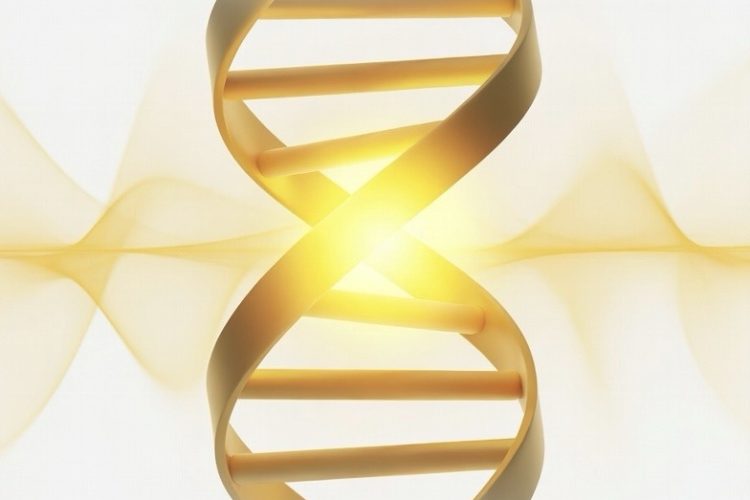
The 528 Hz frequency, one of the ancient solfeggio tones, is popularly known as the “love frequency” or “miracle tone.” Many associate it with the solar plexus chakra for personal transformation and confidence, while others connect it to the heart chakra for fostering love, harmony, and emotional balance. Advocates, inspired by figures like Dr. Leonard Horowitz, claim it repairs DNA, reduces stress, and promotes positive change. Limited studies support some benefits: listening to 528 Hz music has been shown to lower cortisol (stress hormone), increase oxytocin (linked to relaxation and bonding), and may protect cells from oxidative stress. These effects can aid relaxation, mood improvement, and mindfulness practices. However, extraordinary claims like direct DNA repair lack robust scientific evidence and remain in the realm of alternative beliefs. Many find 528 Hz soothing for meditation, sleep, or daily calm, making it a popular tool in sound healing without needing medical claims.
Long Version
The 528 Hz frequency, often called the “love frequency” or “miracle tone,” has gained widespread attention in wellness, sound healing, and alternative medicine circles. Part of the ancient solfeggio frequencies, this tone is celebrated for its supposed ability to foster love, harmony, personal transformation, and even DNA repair. Enthusiasts incorporate 528 Hz music into meditation, music therapy, and daily relaxation routines, associating it with chakra balancing—particularly the solar plexus or heart chakra. But what does the evidence say? This article explores the origins, claims, scientific studies, benefits, and limitations of the 528 Hz frequency to provide a balanced, informative overview.
Origins of the Solfeggio Frequencies and 528 Hz
The solfeggio frequencies trace their roots to ancient musical traditions. The original six-tone scale derives from a medieval hymn to John the Baptist, using a system similar to solfège for teaching pitch. In the 1970s, Dr. Joseph Puleo reportedly rediscovered these frequencies through numerological interpretations of biblical texts, expanding them into the modern nine-tone set that includes 528 Hz.
Dr. Leonard Horowitz popularized 528 Hz in the 1990s and 2000s through books like The Book of 528: Prosperity Key of Love. He describes it as the “love frequency,” central to creation, healing, and universal harmony, linking it to mathematical patterns in nature and sacred geometry. While these ideas resonate deeply in New Age communities, historians note that the healing attributions are modern interpretations rather than direct ancient practices.
Key Claims: Love, Transformation, and DNA Repair
Proponents attribute profound effects to 528 Hz. It earns the “love frequency” title for allegedly opening the heart to compassion and emotional connections, while the “miracle tone” label stems from claims of facilitating miracles, positive transformation, and cellular repair. Horowitz and others assert that this frequency can repair damaged DNA, reduce oxidative stress, and promote vitality at a molecular level.
In chakra systems, associations vary. Many practitioners link 528 Hz to the solar plexus chakra (Manipura), the center of personal power, confidence, and transformation, due to its reputed energizing and empowering qualities. Others connect it to the heart chakra (Anahata) because of its emphasis on love and harmony. This dual association reflects its versatile role in sound healing practices.
What Does Science Say About 528 Hz?
Research on 528 Hz remains limited but growing, focusing primarily on relaxation and physiological responses rather than miraculous healing.
A notable 2018 study exposed participants to 528 Hz music for just five minutes. Results showed significant reductions in salivary cortisol (the primary stress hormone), a tendency for chromogranin A (another stress marker) to decrease, and increased oxytocin (often called the “bonding hormone” linked to relaxation and social connection). These changes suggest 528 Hz may support stress reduction and autonomic nervous system balance, similar to general music therapy effects.
Other studies explore cellular impacts. One found that 528 Hz sound waves reduced reactive oxygen species (ROS) in brain tissue and influenced testosterone production in rats. Another in vitro experiment indicated that 528 Hz exposure increased cell viability and reduced ROS in human astrocyte cultures treated with ethanol. Preliminary research has also examined anxiety reduction and even effects on microbial viability in food products like yogurt.
However, claims of direct DNA repair lack robust scientific backing. While some studies show reduced oxidative stress (which can indirectly protect DNA), no peer-reviewed evidence confirms that 528 Hz actively repairs DNA strands. Critics classify such assertions as pseudoscience, emphasizing that most benefits align with the well-established relaxing effects of pleasant music rather than frequency-specific miracles.
Research remains emerging, with calls for larger, controlled studies to validate findings.
Practical Benefits and How to Use 528 Hz
Many people report subjective benefits from listening to 528 Hz tones, including improved mood, deeper meditation, better sleep, and reduced daily stress. These align with broader music therapy advantages, where sound promotes mindfulness and emotional balance.
To incorporate it:
- Listen to pure 528 Hz tones
- Solfeggio frequency tracks
- Binaural beats combining it with other frequencies during meditation or yoga
Sessions as short as 5–20 minutes may suffice, often through streaming platforms or dedicated apps. Pairing with chakra-focused visualization—focusing on the solar plexus for empowerment or the heart for love—enhances the experience for many.
Limitations and Balanced Perspective
While promising for relaxation, 528 Hz is not a substitute for medical treatment. Extraordinary claims, particularly around DNA repair, remain unsupported by mainstream science. Benefits likely stem from the placebo effect, general music enjoyment, or relaxation response rather than unique vibrational properties.
Approach sound healing as a complementary practice alongside evidence-based wellness strategies like exercise, therapy, or medical care when needed.
Final Thoughts
The 528 Hz frequency captivates as a symbol of love, harmony, and potential healing. Rooted in ancient musical scales yet amplified by modern interpretations, it offers real value for stress reduction and mindfulness, backed by limited but intriguing studies on cortisol, oxytocin, and cellular protection. Whether you view it as a miracle tone or simply soothing sound, millions find it a worthwhile addition to their wellness routine. Listen for yourself and see what resonance it brings.
Related Questions, Words, Phrases
what is 528 hz frequency | why is 528 hz called the love frequency | how does 528 hz repair dna | what are the benefits of listening to 528 hz | is 528 hz the miracle tone real | best 528 hz music for sleep | how to use 528 hz for healing | why does 528 hz reduce stress | top 528 hz tracks on youtube | guide to solfeggio frequencies including 528 hz | does 528 hz increase oxytocin | what chakra is associated with 528 hz | best apps for 528 hz tones | how long to listen to 528 hz daily | scientific evidence for 528 hz benefits


