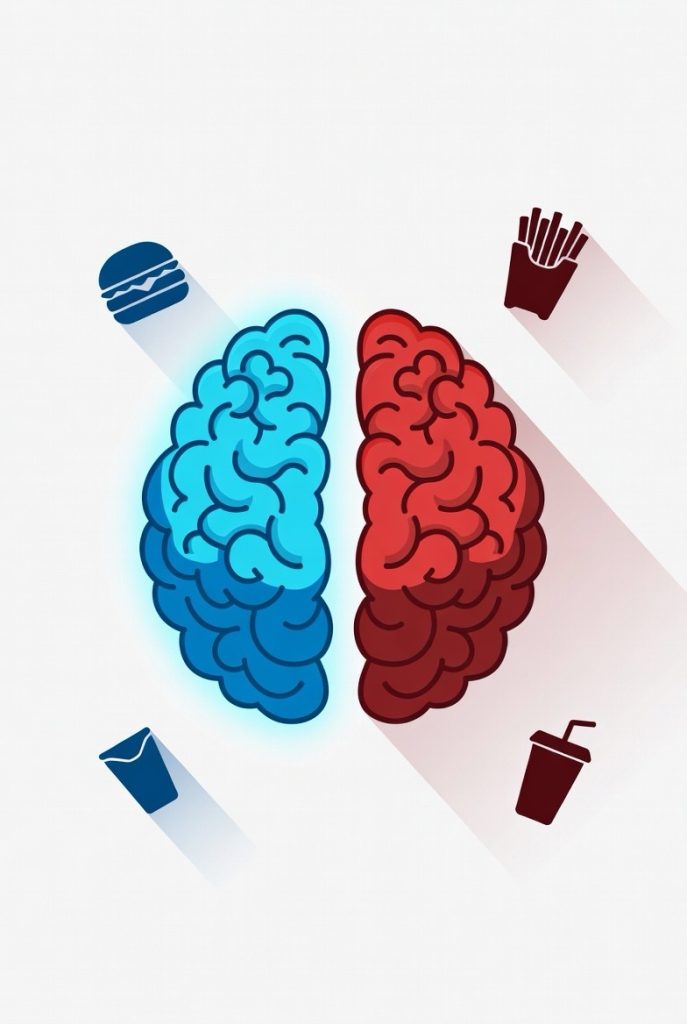
Junk food and ultra-processed foods wreak havoc on brain health by triggering neuroinflammation, dulling dopamine receptors, and weakening the hippocampus. High in sugars, fats, and salts, these foods spark brain inflammation through overactive immune cells, disrupt the gut-brain axis, and raise risks of brain fog, anxiety, and cognitive decline. They hijack the reward system, causing exaggerated dopamine surges that lead to tolerance, intense food cravings, and addiction loops similar to substance dependency. Over time, this impairs memory formation, accelerates brain aging, and scrambles self-control mechanisms, making it harder to resist cravings—especially under stress. Switching to whole, nutrient-dense foods, regular meals, better sleep, exercise, and mindful habits can help restore dopamine balance, reduce inflammation, and protect long-term mental sharpness and neurological health.
Long Version
The Hidden Toll of Junk Food on Brain Health: Unraveling Neuroinflammation, Addiction Loops, and Cognitive Decline
In an era where convenience often trumps nutrition, junk food and ultra-processed foods have become staples in many diets. These items, loaded with sugars, fats, and salts, do more than contribute to physical health issues like obesity—they wreak havoc on the brain. From sparking neuroinflammation to dulling dopamine receptors and weakening the hippocampus, the effects of junk food on brain health are profound and multifaceted. This article delves into how these foods create addiction loops, impair memory, and scramble the neural brakes that help resist future cravings, drawing on recent research to provide a complete picture of the risks and pathways to recovery.
Understanding Junk Food and Its Grip on the Brain
Junk food, often synonymous with fast food and processed snacks, refers to items high in calories but low in essential nutrients. Ultra-processed foods, a more specific category, include products like sodas, chips, and ready-to-eat meals engineered with additives to enhance flavor and shelf life. These foods don’t just satisfy hunger; they hijack neurotransmitters, the brain’s chemical messengers, leading to disrupted brain health and cognitive wellness.
Recent studies highlight how even short-term exposure to these diets can trigger immediate changes. For instance, high-fat diets have been shown to induce neuroinflammation rapidly, independent of weight gain. This inflammation, or neuroinflammation from diet, involves the brain’s immune cells becoming overactive, which can impair neural function and contribute to long-term issues like cognitive decline.
The Spark of Neuroinflammation: A Silent Saboteur
What is neuroinflammation from junk food? It’s the brain’s inflammatory response triggered by dietary factors, such as excessive saturated fats and sugars found in processed edibles. This process activates microglia, the brain’s resident immune cells, leading to cerebral irritation and swelling. Research from 2025 indicates that short-term consumption of high-fat diets can quickly induce this state, exacerbating memory decline in aging populations.
High-salt diets, often a component of junk food, further inflame the brain, raising blood pressure and disrupting neural pathways. Additionally, the gut-brain axis plays a role: frequent junk food intake alters the gut microbiome, leading to dysbiosis that indirectly promotes brain inflammation and mental health challenges. These changes can manifest as brain fog, anxiety, and a heightened risk of neurodegenerative diseases, underscoring the direct impact of diet on neurological health.
Dulling Dopamine Receptors: The Path to Food Addiction
At the heart of junk food’s allure is its effect on dopamine, the reward chemical or pleasure hormone that drives motivation and satisfaction. Ultra-processed foods, rich in fat and sugar, trigger an exaggerated release of dopamine in the brain’s reward system, similar to addictive substances. Over time, this leads to dulled dopamine receptors, where the brain requires more stimulation to achieve the same pleasure, creating a tolerance akin to drug dependency.
How does junk food cause addiction? It establishes addiction loops through compulsive eating and sugar dependency. Studies show that chronic intake reduces dopamine D2 receptors, diminishing responsiveness to natural rewards and intensifying cravings. This mechanism explains why people experience food cravings even when not hungry—the brain’s pleasure pathways become rewired, turning moderate desires into excessive patterns. Discussions echo this, noting how engineered combinations of salt, fat, and sugar override satiety signals, making resistance challenging.
Dopamine and food cravings are intertwined: the neurotransmitter’s surge from junk food reinforces habit formation, leading to eating addiction. As one 2025 study on ultra-processed milkshakes revealed, responses vary but often correlate with disrupted signaling in those prone to overconsumption.
Weakening the Hippocampus: Memory Impairment and Cognitive Decline
The hippocampus, the brain’s memory center, is particularly vulnerable to junk food’s assault. Does junk food weaken the hippocampus? Yes, research demonstrates that high-energy diets rich in saturated fats and simple carbohydrates cause hippocampal atrophy and impairment, leading to memory loss and cognitive deterioration. Even brief exposure—such as four days of high-fat foods—can make hippocampal neurons overactive, disrupting memory processing almost immediately.
How does junk food affect memory? It impairs the brain’s ability to form and retrieve memories, increasing the risk of conditions like dementia. A 2025 study linked ultra-processed food consumption to faster cognitive decline, with participants showing up to 28% greater impairment over time. Junk food and memory impairment are further compounded by inflammation, which damages neural connections essential for learning and recall. High sugar intake also alters brain structure, contributing to brain aging and reduced mental sharpness.
Scrambled Neural Brakes: Why Resistance Fails
Junk food essentially “scrambles” the neural brakes—the top-down control mechanisms in the prefrontal cortex that help resist impulses. This leads to weakened appetite regulation and persistent hunger urges. Why do I crave junk food when stressed? Stress amplifies these effects by disrupting hunger hormones like leptin and ghrelin, making processed snacks more appealing as a quick dopamine hit.
The effects of junk food on the brain extend to creating a vicious cycle where overeating leads to more cravings, as the brain’s signaling molecules become imbalanced. Constant snacking blurs fullness signals, turning snack desires into uncontrollable urges.
Broader Implications for Brain Health and Wellness
Beyond specific regions, junk food undermines overall brain health by altering neurotransmitters and promoting dependency. This can manifest as reduced cognitive wellness, increased risk of mental health issues, and accelerated brain aging. For example, diets high in ultra-processed foods are linked to over 100 gut microbiome changes that indirectly affect neural health. The addictive nature, comparable to substances, highlights the need for awareness of these synthetic snacks’ impact.
Pathways to Recovery: Resisting Cravings and Restoring Balance
How to fix dopamine receptors dulled by junk food? Recovery involves lifestyle adjustments to restore reward receptors and pleasure pathways. Ways to resist junk food cravings include planning meals, incorporating fiber-rich whole foods to stabilize blood sugar, and practicing time-restricted eating to reset hunger signals. Reducing processed items and focusing on nutrient-dense options can gradually repair dopamine sites, as emphasized in dopamine diets that emphasize regular meals and minimized sugars.
Improving sleep and avoiding mouth breathing can also curb cravings, while fermented foods help restore gut health and hydrochloric acid levels. Exercise and mindfulness strengthen the prefrontal cortex, enhancing the ability to overcome snack urges. Early interventions, like switching to anti-inflammatory diets, can reverse some damage and prevent long-term cognitive impairment.
Conclusion: Reclaiming Control for Lasting Brain Health
The devastating effects of junk food on the brain—from neuroinflammation and dulled dopamine receptors to hippocampus damage and scrambled neural brakes—paint a clear picture of why these foods fuel food addiction and cognitive decline. By understanding these mechanisms, individuals can make informed choices to protect their mental sharpness and neurological health. Prioritizing whole foods and mindful habits isn’t just about diet; it’s about safeguarding the brain’s intricate systems for a sharper, more resilient future. Armed with this knowledge, breaking free from addiction loops becomes not only possible but empowering.