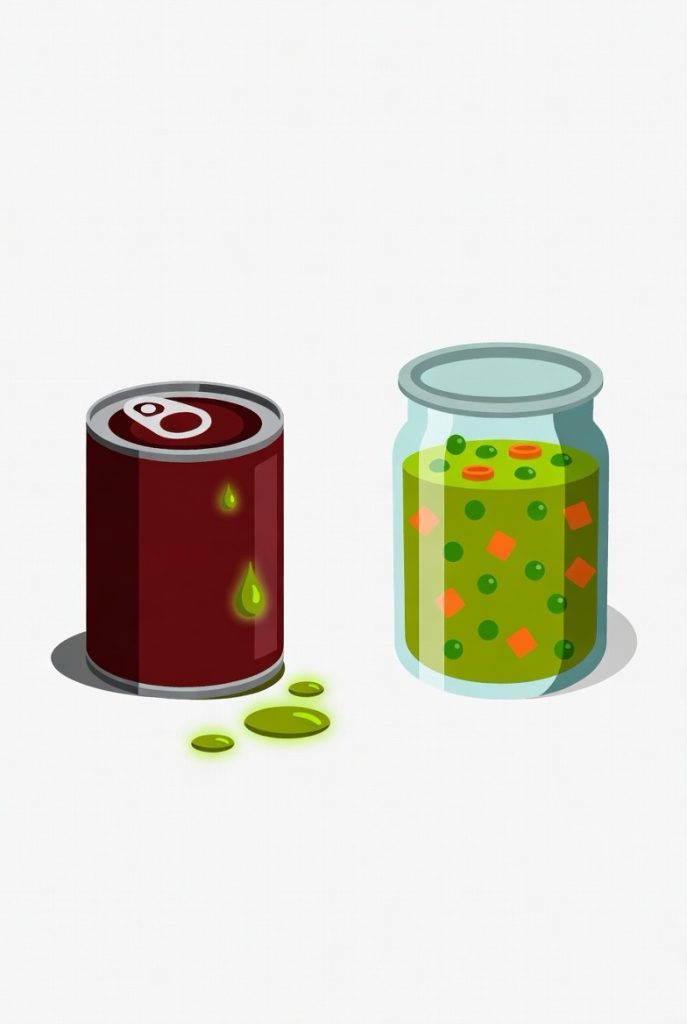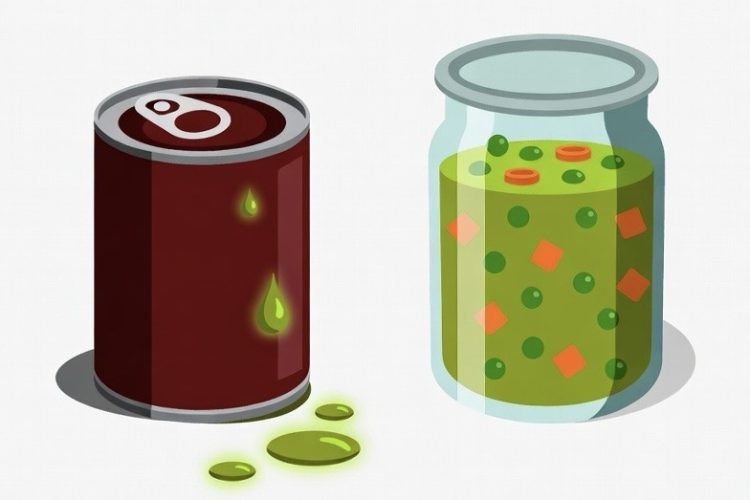
In 2011, a study found that eating canned soup daily spiked urinary BPA levels by 1,221%. Bisphenol A (BPA) is a chemical once widely used in can linings to prevent corrosion; it acts as an endocrine disruptor that can interfere with hormones and has been linked to higher risks of obesity, type 2 diabetes, reproductive issues, and developmental problems. By 2026, over 95% of canned foods are BPA-free due to consumer demand and regulations, but many replacements like BPS and BPF show similar health concerns in recent studies, including metabolic and hormonal effects. Leaching is worse in acidic, fatty, or heated foods. For safer options, choose glass jars, cartons, fresh or frozen produce, or brands with non-toxic linings. Simple steps like checking labels, storing leftovers in glass, and avoiding plastic microwaving help minimize exposure to these chemicals.
Long Version
The Hidden Dangers of BPA in Canned Foods: Understanding Risks and Safer Alternatives in 2026
In a fast-paced world where convenience often trumps caution, canned foods remain a staple in many households. Yet, a landmark 2011 study revealed a startling fact: consuming canned soup can spike urinary BPA levels by an astonishing 1,221%. This finding ignited widespread concern about bisphenol A (BPA), a chemical long used in can linings, and its potential health impacts. Fast-forward to 2026, and while most cans are now BPA-free, questions linger about the safety of replacements like BPS and BPF. This article delves deep into the science, health effects, and practical steps to minimize exposure, providing a complete guide to canned food safety.
What Is BPA in Cans?
Bisphenol A, commonly known as BPA, is a synthetic compound classified as an endocrine disruptor. It mimics estrogen in the body, potentially interfering with hormonal balance and leading to various health issues. Historically, BPA has been a key ingredient in epoxy resins that line metal cans to prevent corrosion and contamination. These linings ensure food doesn’t interact directly with the metal, but they can lead to chemical leaching in cans, where BPA migrates into the contents, especially acidic or fatty foods.
BPA’s presence in canned goods isn’t new—it’s been detected in everything from soups to vegetables. The compound is also found in polycarbonate plastics and other packaging, but its role in can linings has drawn particular scrutiny due to direct food contact. Understanding what is BPA in cans is crucial: it’s not just a coating; it’s a potential source of ongoing low-level exposure through everyday meals.
The 2011 Study: Canned Soup and Skyrocketing BPA Levels
The pivotal 2011 Harvard study on canned soup and BPA brought the issue into sharp focus. Researchers had participants consume one serving of canned soup daily for five days, comparing their urinary BPA levels to those eating fresh soup. The results were eye-opening: BPA concentrations surged by 1,221% in the canned soup group.
Published in the Journal of the American Medical Association, the study involved 75 volunteers and underscored the risks of BPA in canned soup. It wasn’t an isolated finding; subsequent analyses confirmed that canned meals, particularly soups, are hotspots for exposure due to the heat and acidity that accelerate leaching. Even today, this research serves as a benchmark for understanding urinary BPA spikes from preserved foods.
Health Effects of Bisphenol A: An Endocrine Disruptor at Work
BPA’s status as an endocrine disruptor means it can disrupt hormone signaling, with effects ranging from subtle to severe. Studies link BPA exposure to increased risks of reproductive disorders, metabolic diseases like obesity and type 2 diabetes, and neurodevelopmental issues. For instance, global estimates from 2024 attribute 127 million cases of metabolic syndrome, including obesity and diabetes, partly to BPA.
At low doses, BPA may heighten susceptibility to tumorigenesis by mimicking estrogen, potentially raising cancer risks. It can also impair pancreatic beta-cell function, leading to insulin resistance. Children and adolescents are particularly vulnerable, with links to developmental delays and immune disruptions. While the FDA maintains that BPA is safe at current food levels, independent research often highlights concerns, emphasizing the need for caution.
The Shift to BPA-Free Cans: Progress and Prevalence in 2026
By 2026, the landscape has evolved significantly. Industry reports indicate that over 95% of canned foods now use BPA-free linings, a stark improvement from earlier decades when BPA was ubiquitous. This transition, driven by consumer demand and regulatory pressures—like the EU’s advancing bans—has made BPA-free cans the norm. In the U.S., the BPA-free cans market dominates, with nearly 90% adoption in food and beverages.
However, does canned soup have BPA today? In most cases, no, thanks to these advancements. Brands have switched to alternatives like acrylic or polyester coatings. Yet, traces can still appear in some products, particularly imported or specialty items, underscoring that “BPA-free” isn’t always absolute.
BPS Risks and the Dangers of BPA Replacements in 2026
The question “Is BPA-free safe?” is more complex than it seems. Replacements like bisphenol S (BPS) and bisphenol F (BPF) were introduced as safer options, but emerging 2025-2026 studies reveal they may pose similar risks. These BPA replacements 2026 analogs are also endocrine disruptors, potentially causing metabolic disruptions and reproductive harm.
For example, BPF exposure has been associated with higher obesity risks in youth, while BPS may elevate cardiovascular disease and cancer odds. Animal studies show mixed bisphenol exposures disrupt hormone levels and ovarian function. Alarmingly, BPS absorption into the bloodstream can be 100 times higher than BPA’s. Are BPS and BPF harmful? Evidence suggests yes, often mirroring or exceeding BPA’s effects, making true BPA-free cans alternatives a ongoing challenge.
Chemical Leaching in Cans: How Contamination Occurs
Chemical leaching in cans stems from the epoxy resin linings, where compounds like BPA or its substitutes migrate into food. Factors like heat, acidity, and storage time exacerbate this food contamination from packaging. Even in BPA-free options, alternative resins might leach similar chemicals, especially in canned meat, fish, or vegetables, which show higher contamination levels.
This process, known as can liner migration, highlights why canned food safety extends beyond BPA alone. Acidic items like tomatoes or soups are particularly prone, amplifying exposure during heating or long-term storage.
Best Alternatives to Canned Foods: Embracing Safety
To avoid BPA in food and similar hazards, consider switching to alternatives. Glass jars for food storage offer a non-leaching option, ideal for sauces, fruits, and preserves. Carton packaging, like tetra packs, provides another safe choice for items such as broths or milks.
Fresh or frozen produce minimizes packaging risks altogether. For those who rely on convenience, seek brands using vinyl-lined cans or non-toxic alternatives. Stainless steel containers are excellent for storage, avoiding plastic entirely. Seasonal variations, like avoiding BPA in winter soups, can be managed by opting for homemade versions in glass.
How to Avoid BPA in Food: Practical Tips for Everyday Safety
Reducing exposure starts with smart choices. Check labels for BPA-free status, but verify replacements. Prioritize organic produce and lean meats to cut overall chemical intake. Store leftovers in glass or ceramic, and never microwave plastics, as heat accelerates leaching.
For families, focus on child-safe options, given heightened vulnerabilities. In 2026, with BPA replacements under scrutiny, these habits ensure long-term health protection.
In summary, while the 2011 study spotlighted BPA’s risks, 2026’s BPA-free era brings new challenges with BPS and BPF. By understanding these dynamics and choosing glass jars, cartons, or fresh alternatives, you can safeguard against chemical leaching and endocrine disruptions. Staying informed empowers better decisions for you and your loved ones.