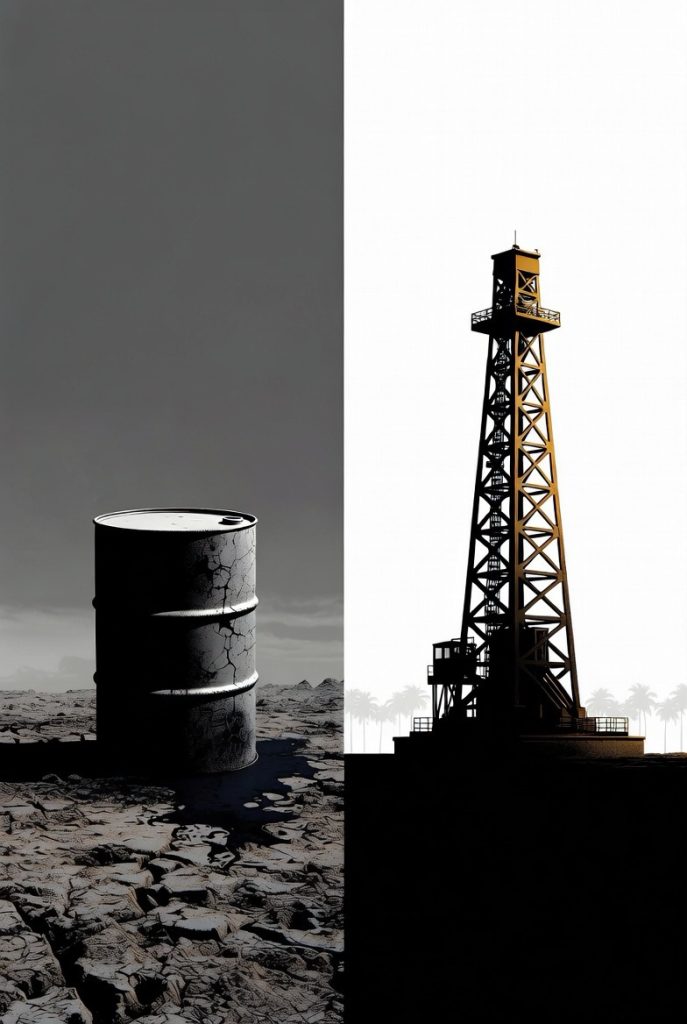
Venezuela holds the world’s largest proven oil reserves (~303 billion barrels as of recent estimates), surpassing Saudi Arabia’s ~267 billion, yet it produces only about 900,000–1.1 million barrels per day in late 2025/early 2026—roughly 1/10th of Saudi Arabia’s ~10 million barrels daily. Saudi oil is mostly light, sweet crude: cheap to extract (low costs), easy to refine, and sells at premium prices, fueling massive export revenues and national wealth. Venezuela’s reserves are predominantly extra-heavy Orinoco Belt crude, which is viscous, high in sulfur, requires expensive upgrading/refining, and often sells at a discount—making extraction far costlier and less profitable. Decades of mismanagement at state oil company PDVSA, corruption, nationalizations that drove out foreign expertise and investment, chronic underinvestment in infrastructure, and prolonged U.S. sanctions have crippled output, limited technology access, and caused economic collapse. Recent political upheaval (including Maduro’s capture) raises hopes for recovery, but rebuilding could take years and billions in private investment—even optimistic forecasts see gradual increases to 1.3–2.5 million bpd over time, not instant wealth.