
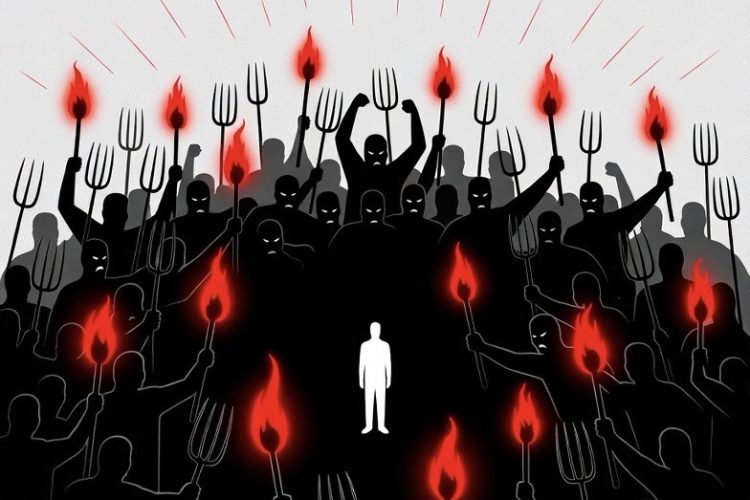
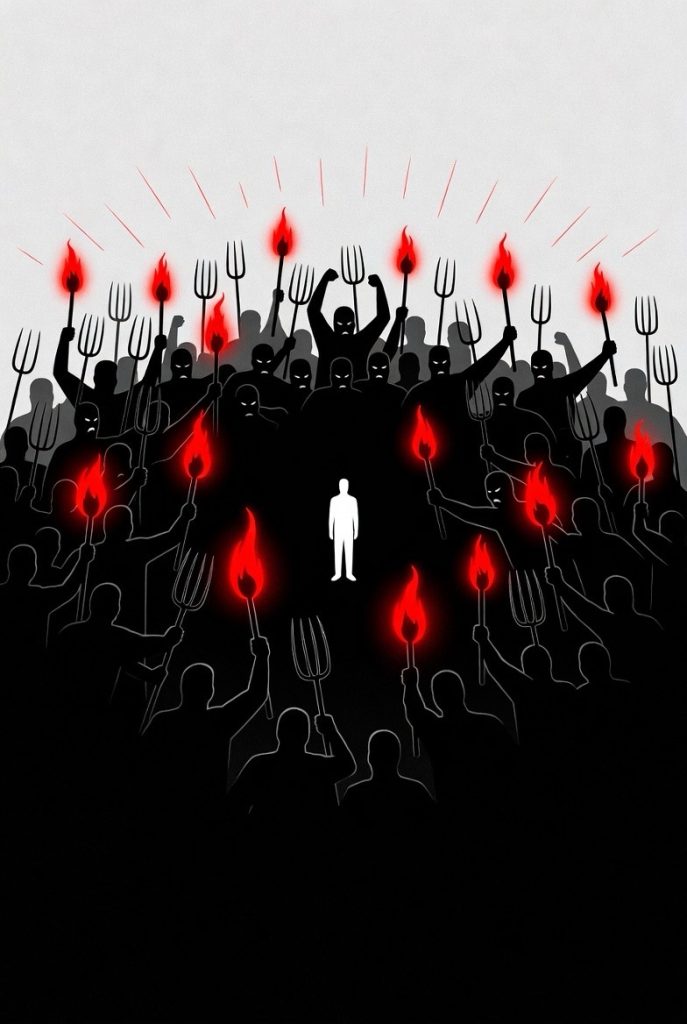
Cancel culture is the widespread practice of publicly calling out and withdrawing support from individuals or organizations for perceived offensive actions or statements, often leading to professional or social consequences. Supporters see it as a vital form of grassroots social justice: it gives voice to marginalized groups, holds powerful people accountable when institutions fail, and has driven real change, such as exposing harassment through the #MeToo movement. Critics, however, argue it frequently resembles modern mob rule—swift, disproportionate punishment driven by online outrage, with little room for context, redemption, or due process, resulting in ruined reputations, chilled speech, and a climate of fear where minor missteps trigger massive backlash. In practice, it can be both: effective accountability in clear cases of harm, but easily abused when outrage overrides nuance. The healthiest path forward is prioritizing dialogue, proportionality, and forgiveness over reflexive public shaming.
Related Questions, Words, Phrases
what is cancel culture | is cancel culture good or bad | cancel culture social justice or mob rule | is cancel culture a form of mob rule | pros and cons of cancel culture | cancel culture examples explained | why is cancel culture controversial | is cancel culture necessary for accountability | difference between cancel culture and accountability | has cancel culture gone too far | cancel culture vs free speech | how does cancel culture work | is cancel culture just public shaming | famous cancel culture cases 2025 | cancel culture justice or punishment


