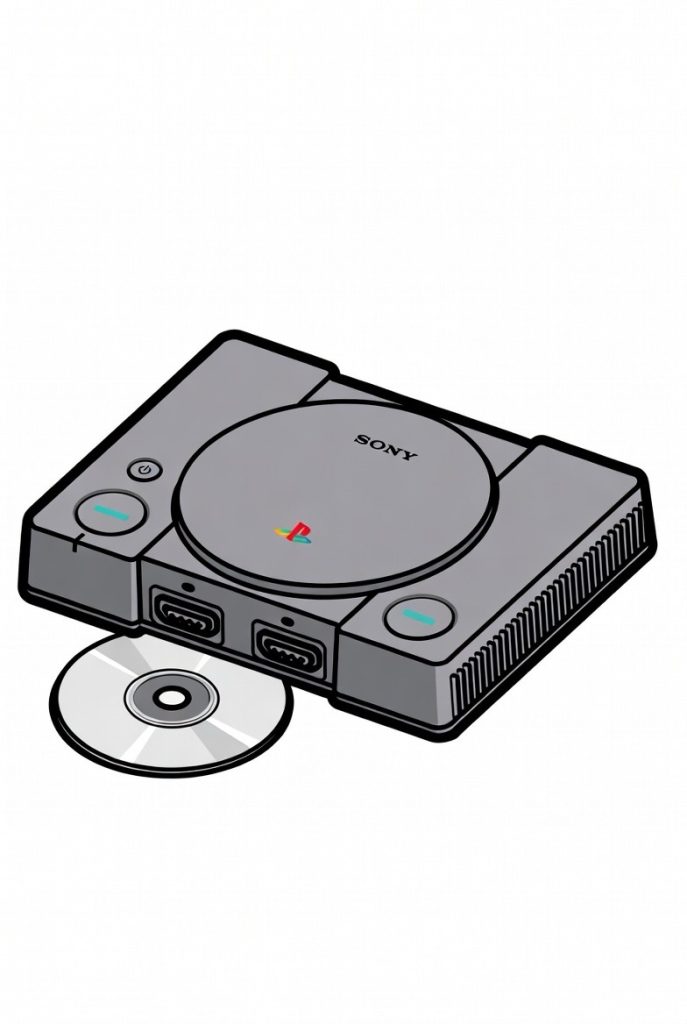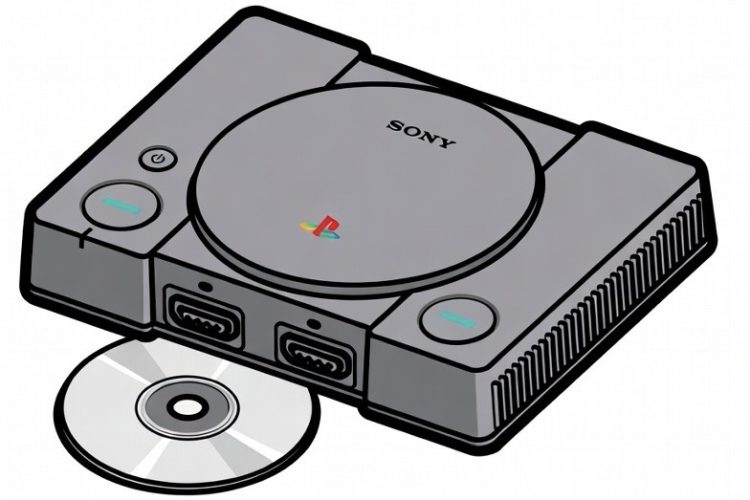
Early PlayStation 1 models, especially the SCPH-1000, SCPH-1001, and SCPH-1002, stand out as surprisingly excellent CD players thanks to their high-quality AKM AK4309AVM DAC, dedicated RCA outputs for clean analog connections, and robust CD drive. These early revisions deliver warm, non-fatiguing sound with rolled-off highs, strong midrange presence, good instrument separation, and a smooth, musical character that many describe as vinyl-like or tube-warm—ideal for long listening sessions in jazz, folk, classical, or vocals-heavy genres. Audiophiles once compared them favorably to dedicated players costing thousands, with one review suggesting the SCPH-1001’s performance rivaled $6,000 hi-fi units. Though measurements show slight limitations like low output and minor distortion, the PS1’s low-distortion, engaging playback often outperforms budget CD players and remains a budget audiophile favorite. Mods like op-amp bypass, linear power supplies, or vibration damping can enhance it further, but stock versions already shine when paired with quality cables and a stable setup. Grab an early model from secondary markets, verify the RCA ports, and enjoy this unexpected hi-fi gem from gaming history.
Long Version
Why the Early PS1s Excel as CD Players
In the world of audiophile pursuits, where high-end equipment often commands exorbitant prices, an unlikely hero emerged from the gaming realm: the original PlayStation 1. Enthusiasts have long hailed early PS1 models as exceptional CD players, blending vintage charm with surprisingly sophisticated audio capabilities. This phenomenon isn’t just nostalgia—it’s rooted in solid engineering that delivers outstanding audio performance on a budget. Whether you’re exploring PS1 audio quality for the first time or seeking a budget audiophile CD player, understanding why these consoles shine in hi-fi setups reveals a fascinating intersection of gaming history and sonic excellence.
The Historical Context and Model-Specific Appeal
The Sony PlayStation, launched in 1994 in Japan and 1995 elsewhere, was primarily a gaming console, but its CD playback functionality quickly caught the attention of audio enthusiasts. Early revisions of the PS1, particularly the SCPH-1000 (Japan), SCPH-1001 (North America), and SCPH-1002 (Europe/PAL regions), stand out for their superior hardware tailored to high-fidelity sound. These models, often referred to as “early revision PS1” units, were equipped with dedicated RCA outputs on the rear panel, allowing direct connection to amplifiers without adapters—a feature absent in later revisions that relied on the A/V Multi Out port for combined audio-video signals. This design choice facilitated cleaner signal paths, making the PlayStation 1 audiophile community buzz with comparisons to dedicated hi-fi gear.
By the mid-2000s, as the PS2 overshadowed its predecessor, used PS1 units became dirt-cheap, often fetching under $50 on secondary markets. Audiophile publications fueled the hype, with reviewers testing the PS1 against premium equipment. One notable evaluation in 2007 suggested that replicating the SCPH-1001’s musicality in a standalone player could require spending over $6,000—a staggering $6000 CD player comparison that underscored its value. Even today, these vintage PS1 CD players remain sought after for their role as a gaming console audiophile gem, proving that exceptional sound doesn’t always demand a premium price tag.
Hardware That Punches Above Its Weight
At the heart of the early PS1’s prowess is its digital-to-analog converter (DAC), the AKM AK4309AVM—a 16-bit sigma-delta chip renowned for its signal clarity and low distortion. While sigma-delta designs are often associated with 1-bit processing, this AKM DAC employs multi-bit elements in its architecture, contributing to a refined output that rivals more expensive multi-bit DAC implementations. Paired with the console’s robust CD drive, it handles PlayStation CD playback with finesse, extracting nuances that budget players of the era couldn’t match.
The RCA outputs provide a direct analog path, bypassing potential interference from video circuitry, which enhances instrument separation and overall dynamics. For those without RCA-equipped models, the A/V Multi Out can still deliver strong results when using quality cables, often outperforming stock setups by reducing congestion in the mids and highs. Measurements confirmed the PS1’s capabilities, showing low distortion and stable performance, even if frequency extremes are slightly rolled off. This hardware synergy turns the PS1 into a viable PS1 as hi-fi component, especially for those building systems around original PS1 sound characteristics. To further optimize, consider using high-quality interconnects and ensuring the console is placed on a stable surface to minimize vibrations that could affect playback.
Subjective Sound Signature: Warm, Musical, and Engaging
Audiophiles describe the early PS1’s audio as warm sound with a non-fatiguing audio profile, making it ideal for long listening sessions without the harshness sometimes associated with digital sources. The rolled off highs contribute to a smooth, vinyl-like presentation that softens digital edges, often likened to a “burnished glow” or tube-amp warmth blended with solid-state reliability. Vocals emerge with presence, creating a “singer in the room” intimacy, while plucked strings and percussion benefit from excellent instrument separation and realism.
Bass can feel slightly bloated in some setups, but it’s generally tight and dynamic, avoiding the thinness of lesser players. The overall tonality is even-tempered, with a focus on mids that brings out emotional depth in music genres like jazz, folk, and classical. Users report low output levels—about 5-10dB below standard—requiring volume adjustments, but once dialed in, the PS1 delivers outstanding audio performance that masks CD’s inherent “coldness.” This makes it a standout for Sony PlayStation audiophile applications, where the goal is musical enjoyment over clinical accuracy. For genres with complex arrangements, such as orchestral pieces, the PS1’s ability to maintain clarity without fatigue enhances the listening experience, drawing listeners deeper into the music.
Comparisons to High-End Gear
The PS1’s legend grew through direct shootouts with pricier alternatives. Reviewers pitted it against models like the Audio Aero Capitole MKII, Rega Planet 2000, and Linn Karik, often preferring the PS1’s relaxed, non-digital character for casual listening. While dedicated players might edge it out in soundstage width or treble extension, the PS1 holds its own in warmth and fatigue-free playback, sometimes surpassing units costing thousands more. In blind tests, it frequently bested budget DVD players and integrated DACs, proving its mettle as a budget audiophile CD player. Even against modern standards, its vintage PS1 CD appeal endures, offering a cost-effective entry into high-quality audio. To appreciate this, pair it with a neutral amplifier and speakers that complement its warm profile, avoiding overly bright components that might exaggerate its rolled-off highs.
Enhancing Performance Through Mods
For those willing to tinker, PS1 modding unlocks further potential. Common upgrades include op amp bypass to streamline the signal path, reducing noise and improving clarity by feeding DAC output directly to a current-to-voltage resistor instead of stock op-amps. Linear power supply mod replaces the original switching supply with a cleaner, regulated alternative, minimizing ripple and enhancing stability—though some argue its impact is subtler than signal mods. Vibration isolation techniques, such as damping the chassis or adding heavy bases, prevent skipping during high-volume playback and preserve detail.
More advanced projects involve bypassing post-DAC circuitry and adding valve stages for a tube-infused tone, or using decoupling capacitors on power pins for better op-amp performance. Enthusiasts detail these modifications in various online resources, with users modding SCPH-1001 units into “truly audiophile” pieces. However, not all endorse mods; many prefer the stock configuration for its inherent charm, warning that alterations can make it sound more “standard” and less unique. Always warm up the unit for 20-30 minutes to resolve peak distortion, and source a PS2 remote for easier control. When modding, start with reversible changes to avoid permanent alterations, and test incrementally to ensure improvements align with your sonic preferences.
Potential Drawbacks and Practical Advice
Despite its strengths, the PS1 isn’t flawless. Mechanical wear from years of use can lead to laser failures, so buying multiples as backups is wise. Calibration issues may arise if the drive is misaligned, and output via RCAs can sometimes feel “crowded” compared to Multi Out tweaks. It’s best suited as a secondary player alongside vinyl or streaming setups, where its non-fatiguing nature shines.
For acquisition, check secondary markets or retro gaming outlets for SCPH-100x models, verifying RCA ports for authenticity. Test with diverse music to appreciate its warm, musical bent. In an era of digital streaming, the early PS1 reminds us that great sound can come from unexpected sources, solidifying its status as a timeless PS1 CD player option for discerning listeners. To maintain longevity, store the console in a cool, dust-free environment and clean the lens periodically with appropriate tools for optimal performance.