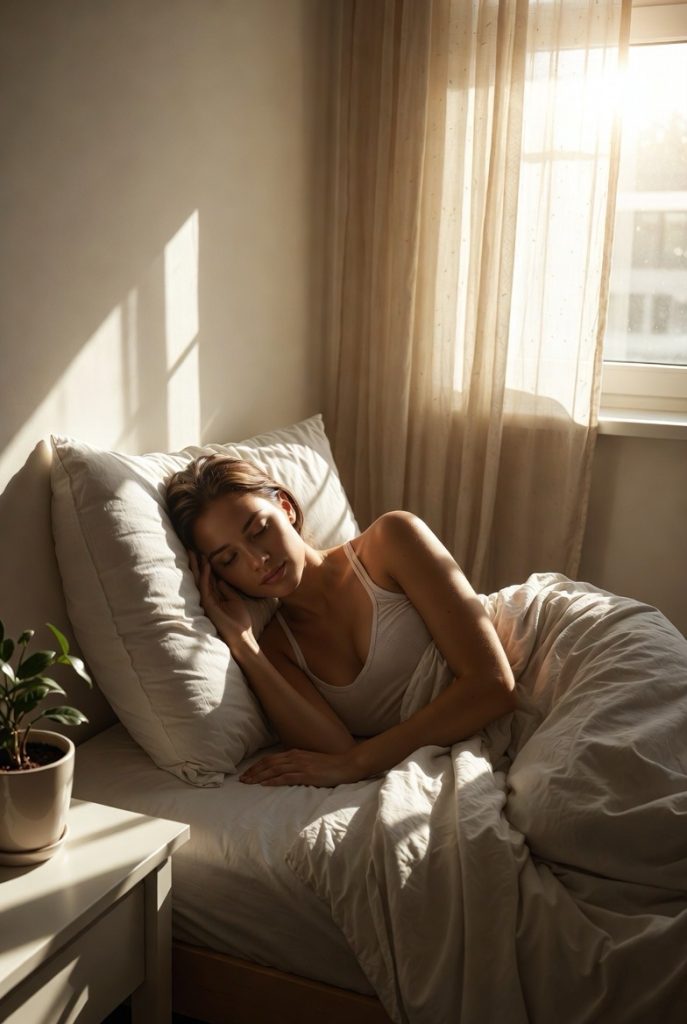
Sleepmaxxing promotes better sleep as a key part of modern wellness, helping people counter stress, screen time, and irregular schedules. It focuses on optimizing circadian rhythm with habits like morning sunlight, cool dark rooms, and consistent routines. Quality sleep supports immunity, mental health, cognitive function, and physical recovery, while tools like magnesium, melatonin, weighted blankets, and white noise can improve rest when used safely. Risks include anxiety from over-tracking and unsafe hacks like mouth taping. Sustainable sleepmaxxing means using proven habits without obsessing and seeking professional help for persistent issues.
Long Version
Why Sleepmaxxing Matters Now
In an era dominated by relentless hustle culture and digital distractions, sleepmaxxing has emerged as a pivotal wellness trend, urging individuals to prioritize sleep optimization for enhanced health and productivity. This movement encourages the adoption of various hacks and routines to maximize sleep quality and quantity, addressing the widespread issues of insomnia, anxiety, and stress that plague modern life. With the post-pandemic world amplifying awareness of self-care and mental health, sleepmaxxing resonates particularly with young adults, who are leveraging sleep hacks to combat the disruptions caused by irregular schedules, blue-light exposure, and high-pressure chores. As chronic diseases linked to poor sleep—such as diabetes, heart disease, and weakened immune systems—continue to rise, this trend offers a proactive approach to extending life span and boosting overall physical health.
Origins and Cultural Shift
The origins of sleepmaxxing trace back to broader self-improvement communities, including looksmaxxing, where aesthetic enhancements intersect with health practices like mouth breathing correction and pineal gland meditation. However, sleepmaxxing has carved its own niche by focusing on restorative rest as the foundation of wellness. This surge aligns with a cultural shift post-pandemic, where remote work and screen time have eroded consistent sleep-wake schedules, leading many to seek remedies for jet lag-like fatigue and morning shed grogginess. Experts note that optimizing circadian rhythm through simple adjustments, like exposure to morning sunlight and maintaining a cool temperature in a dark room, can profoundly impact energy levels and mood.
Core Benefits of Prioritizing Sleep
At its core, sleepmaxxing underscores the profound benefits of prioritizing sleep hygiene. Quality sleep enhances the immune system, reduces risks of chronic diseases, and supports mental health by alleviating anxiety and stress. During REM hours, the brain processes emotions and consolidates memories, while deep sleep stages facilitate physical repair, hormone regulation, and muscle recovery—crucial for those engaged in fitness or healthmaxxing. Studies show that adequate rest can improve cognitive function, stabilize mood, and even extend life span by mitigating inflammation and oxidative stress. For instance, consistent routines that align with individual chronotypes—such as early birds or night owls—can lead to better energy throughout the day, making tasks feel less like high-pressure chores. Supplements like melatonin and magnesium play a role here, aiding in faster sleep onset and deeper rest, though they should complement, not replace, natural habits. Hacks, such as using weighted blankets to promote relaxation or white noise machines—drawing from research where ambient sounds improved rest—further amplify these benefits, fostering a sense of self-care that boosts overall wellness.
Practical Techniques for Implementation
Implementing sleepmaxxing involves a mix of broad and niche techniques tailored to personal needs. Start with a solid bedtime routine: avoid liquids before bed to prevent nighttime disruptions, dim lights to minimize blue-light exposure, and use red-light glasses or red light exposure in the evening to preserve melatonin production. For those prone to snoring or mouth breathing, mouth taping or nostril expanders can encourage nasal breathing, potentially reducing sleep apnea risks when done safely. Consumer wearables like Fitbit or Apple Watch, along with a sleep diary, allow tracking of sleep patterns, helping identify issues like inconsistent REM hours or orthosomnia—an obsession with perfect sleep metrics that can paradoxically increase stress. More advanced approaches include cognitive behavioral therapy for insomnia, which restructures thought patterns around rest, or high-tech alarm clocks that simulate dawn for gentler wake-ups. Eating kiwi fruit or preparing a mocktail before bed can provide natural serotonin boosts, while ensuring no liquids before bed and a cool temperature in a dark room optimizes the environment. Morning sunlight exposure resets the circadian rhythm, combating the effects of jet lag or shift work.
Understanding the Risks Involved
Yet, while sleepmaxxing offers valuable insights, it’s not without risks. Overzealous pursuit can lead to orthosomnia, where constant monitoring via sleep trackers heightens anxiety, disrupting rest further. Some hacks, like mouth taping, pose dangers for those with undiagnosed sleep apnea, potentially exacerbating breathing issues or snoring. Reliance on over-the-counter medications or supplements may yield only a placebo effect, masking underlying problems like chronic insomnia or mental health challenges. Experts warn that rigid routines can create stress, making sleep harder to achieve, especially if they ignore personal chronotypes or lead to avoidance of social activities. In contexts like looksmaxxing, where sleep intersects with aesthetic goals, the pressure for optimization might overlook the need for balance, potentially shortening life span through unintended health detriments.
Making Sleepmaxxing Sustainable
Ultimately, sleepmaxxing matters now because it reframes sleep not as a luxury but as essential for thriving amid modern demands. By integrating proven hacks—from magnesium supplements and white noise machines to consistent sleep-wake schedules and morning sunlight—individuals can enhance physical health, mental health, and daily energy without falling into the trap of over-optimization. For those struggling with persistent issues like sleep apnea or severe anxiety, consulting professionals for polysomnography or tailored therapy ensures safe progress. In a world of trends and influences, approaching sleepmaxxing with informed moderation turns it into a sustainable pillar of wellness, empowering better mood, stronger immunity, and a longer, more vibrant life span.