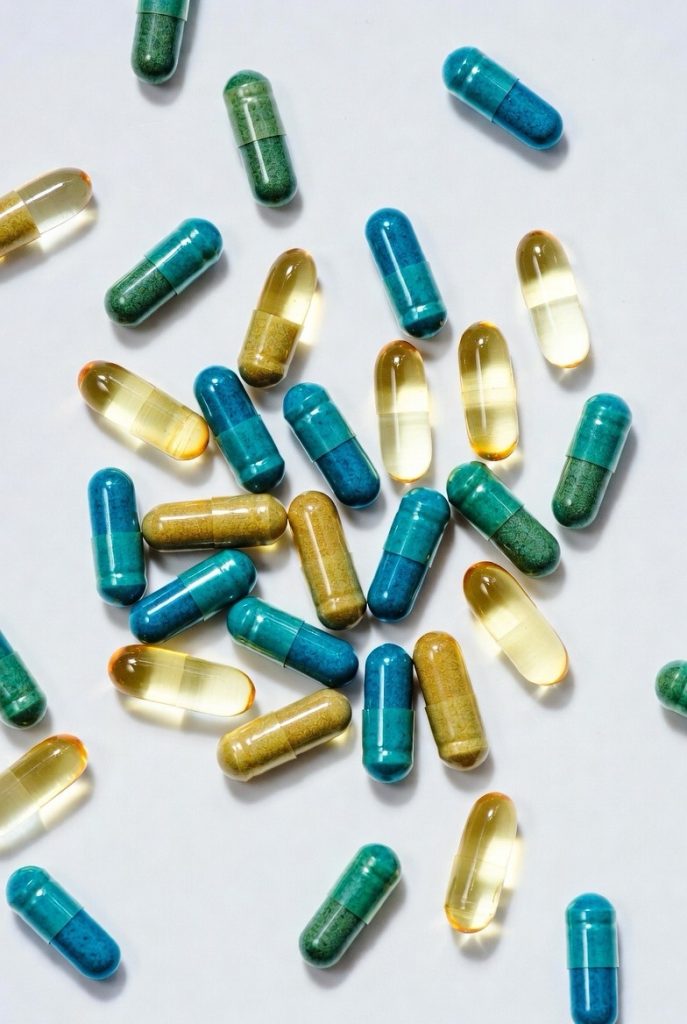
In 2026, anti-aging supplements focus on boosting longevity and vitality by targeting oxidative stress, inflammation, mitochondrial dysfunction, and cellular aging. Top options include NMN and niacinamide to raise NAD+ levels for energy and DNA repair; resveratrol and curcumin as antioxidants that activate sirtuins and reduce inflammation; omega-3s, vitamin D3 with K2, and CoQ10 for heart, brain, bone, and immune health; quercetin and fisetin as senolytics to clear damaged cells; collagen peptides and hyaluronic acid for skin and joint support; plus emerging picks like GlyNAC, astaxanthin, creatine, berberine, and peptides for metabolic balance, muscle maintenance, and epigenetic benefits. Herbs such as ginseng, ginkgo, garlic, and medicinal mushrooms enhance immunity and cognition, while probiotics improve gut health. For best results, combine supplements with a balanced diet, exercise, and stress management, and consult a healthcare professional to personalize your regimen and ensure safety.
Long Version
Unlocking Longevity: The Definitive Guide to Anti-Aging Supplements in 2026
As we approach 2026, the pursuit of healthy aging has evolved from a niche interest into a mainstream wellness priority, emphasizing not just extending lifespan but enhancing vitality span—the period of life spent in good health. Anti-aging isn’t solely about combating visible signs; it’s about addressing age-related diseases, reducing oxidative stress, and promoting overall health through advanced formulations. With breakthroughs in epigenetics, mitochondrial dysfunction, nutrient-sensing pathways like AMPK and mTOR, and personalized approaches, dietary supplements are increasingly tailored for precision wellness. This guide explores the most promising anti-aging supplements, integrating natural products, emerging trends like peptides and senolytics, and lifestyle synergies for optimal bioavailability and benefits. Whether targeting brain health, heart health, skin health, immunity, or metabolic health, these options prioritize evidence-based support for positive aging, with a focus on personalization and prevention.
Understanding the Foundations of Aging and Supplementation
Aging involves multifaceted processes, including chronic inflammation, oxidative stress, and epigenetic reprogramming that alter gene expression over time. At the cellular level, mitochondrial dysfunction impairs energy production, while telomere shortening accelerates decline. Sirtuins, key regulators of cellular repair, can be activated by compounds that simulate caloric restriction or exercise. Senolytics target and eliminate senescent “zombie” cells, preventing their accumulation and reducing tissue damage associated with age-related diseases.
Supplements are most effective when combined with lifestyle changes, such as a nutrient-dense diet, regular physical activity, and stress reduction techniques. For example, incorporating probiotics enhances gut health, which bolsters immunity and curbs systemic inflammation. Natural products from herbs, fruits, and mushrooms offer superior bioavailability in advanced formulations like liposomal or fermented versions, making them suitable for daily routines aimed at healthy aging. In 2026, trends lean toward personalized supplementation based on genetic testing or biomarkers, ensuring targeted support for individual needs.
NAD+ Boosters: Revitalizing Cellular Energy
Boosting NAD+ (Nicotinamide Adenine Dinucleotide) remains a cornerstone of longevity strategies, as this coenzyme fuels DNA repair, energy metabolism, and sirtuin activity. Declining NAD+ levels contribute to fatigue, metabolic issues, and cognitive decline. NMN (Nicotinamide Mononucleotide), a potent precursor, improves endurance, aerobic function, and skin vitality by replenishing NAD+ stores. Niacinamide, a vitamin B3 derivative, supports similar pathways while mitigating oxidative stress. Emerging in 2026 are enhanced NAD+ boosters with added GlyNAC (a combination of glycine and N-acetylcysteine), which further optimizes mitochondrial function and reduces oxidative markers, offering a synergistic approach for metabolic health and epigenetic stability.
Antioxidants: Combating Oxidative Stress and Inflammation
Antioxidants neutralize free radicals, a primary driver of aging. Resveratrol, sourced from grapes and berries, activates sirtuins to enhance heart health and vascular resilience. Curcumin from turmeric, often combined with gingerol or black pepper for absorption, provides neuroprotective benefits and curbs inflammation. Polyphenols such as quercetin and fisetin function as senolytics, promoting telomere maintenance and cellular clearance.
Vitamin C (L-ascorbic acid) and vitamin E synergize to safeguard skin health against environmental damage, while alpha-lipoic acid regenerates antioxidants and supports metabolic balance. Green tea extract, packed with catechins, strengthens immunity and antioxidant defenses. Hesperidin from citrus aids vascular integrity, and astaxanthin, a powerful carotenoid from algae, emerges as a 2026 standout for its superior anti-inflammatory effects on skin, eyes, and joints. Omega-3 fatty acids (PUFAs from fish or plant sources) modulate inflammation, benefiting brain and heart health. For broader coverage, integrate plant-based options like tart cherry anthocyanins or kiwifruit enzymes, which enhance natural antioxidant networks.
Vitamins and Minerals: Essential Building Blocks for Wellness
Vitamins influence epigenetic processes and nutrient-sensing pathways critical for longevity. Vitamin D3, best paired with vitamin K2, preserves telomere length, supports bone density, and bolsters immunity. Folate and zinc facilitate DNA repair and immune responses, while coenzyme Q10 (CoQ10) counters mitochondrial dysfunction, boosting energy and cardiovascular function.
B vitamins, including niacinamide, aid metabolic health and serotonin synthesis, with tryptophan supplementation promoting better sleep and mood. Melatonin, beyond its role in sleep regulation, acts as an antioxidant to mitigate oxidative stress. In 2026, microdosed lithium gains traction for brain health and epigenetic modulation, while creatine expands beyond muscle support to enhance cognitive resilience and energy metabolism, reflecting creative applications in anti-aging formulas.
Structural and Joint Support: Maintaining Physical Vitality
Collagen loss and joint wear are hallmarks of aging, addressed by collagen peptides that restore skin elasticity and hyaluronic acid for hydration. Glucosamine and chondroitin protect cartilage, alleviating joint discomfort and preserving mobility.
Retinoids from vitamin A stimulate skin cell turnover, ideally used in bioavailable forms. Essential amino acids ensure protein synthesis for muscle maintenance, complemented by creatine for strength and recovery. Peptides, going mainstream in 2026, include types like BPC-157 for tissue repair and growth hormone releasers for muscle and skin rejuvenation, offering targeted anti-aging effects with high bioavailability.
Herbal and Plant-Based Powerhouses: Nature’s Longevity Allies
Herbs provide time-tested support: ginseng invigorates energy and immunity, ginkgo biloba improves circulation for brain health, and garlic’s allicin combats oxidative stress and cardiovascular risks. Mushrooms, such as reishi and lion’s mane, supply polysaccharides and beta-glucans for immune modulation and cognitive enhancement, with 2026 trends highlighting their role in mental fitness and gut health.
Berberine activates AMPK for metabolic benefits akin to exercise. Fruit extracts like kiwifruit (vitamin C-rich) and tart cherry (anti-inflammatory) offer accessible polyphenol boosts. Probiotics and postbiotics optimize gut flora, reducing inflammation and improving nutrient absorption. Plant-based proteins, surging in popularity, support muscle health without animal-derived ingredients, aligning with sustainable wellness.
Advanced and Emerging Interventions: The Future of Anti-Aging
Cutting-edge options include senolytics like fisetin and quercetin for cellular rejuvenation. Peptides extend to immune-boosting and anti-aging varieties, with epigenetic reprogramming tools gaining ground. Berberine analogs and off-label compounds like metformin inhibit mTOR for lifespan extension, while rapamycin-inspired formulas show promise in human applications.
Therapeutic microdoses of psilocybin and related compounds modulate serotonin pathways, potentially reducing inflammation and supporting mental longevity. As 2026 advances, expect innovations in nootropics for focus and resilience, alongside gut health enhancers like postbiotics. Colorful, natural formulations emphasize aesthetics and efficacy, with bioavailability “bonanzas” through nanotechnology ensuring deeper cellular impact.
Integrating Supplements into a Holistic Lifestyle
Supplements thrive in synergy with habits: a diet featuring turmeric, green tea, and omega-3 sources maximizes benefits. Exercise amplifies AMPK activation, and mindfulness supports sirtuins. Personalization via apps or testing tailors regimens, avoiding interactions especially for those with age-related conditions. Consult professionals for safe integration.
In summary, the 2026 anti-aging landscape spotlights NMN, resveratrol, curcumin, omega-3, vitamin D3, CoQ10, peptides, GlyNAC, astaxanthin, and senolytics. By tackling oxidative stress, inflammation, and mitochondrial dysfunction, these foster longevity, brain health, heart health, skin health, immunity, and metabolic health. Embrace emerging trends like personalization and mushrooms for empowered, vitality-focused aging.