Eating sugar and refined carbs can trap the body in a blood sugar rollercoaster. These foods digest quickly, causing sharp glucose and insulin spikes followed by crashes that trigger fatigue, irritability, and strong sugar cravings. Dopamine and other brain chemicals reinforce this cycle, making it feel addictive. Over time, repeated spikes can lead to insulin resistance, weight gain, inflammation, and higher risk of metabolic syndrome and type 2 diabetes. High sugar intake also disrupts gut bacteria, which affects mood, appetite, and cravings through the gut–brain connection. Breaking the cycle means reducing added sugars and refined carbs, even though short-term withdrawal symptoms like headaches or low energy may occur. Focusing on whole foods, fiber, protein, healthy fats, good sleep, and stress control helps stabilize blood sugar, reduce cravings, and restore long-term metabolic balance.
Long Version
The Vicious Cycle of Sugar and Refined Carbs: Understanding Blood Sugar Fluctuations and Cravings
In today’s fast-paced world, many people reach for quick energy boosts from sugary snacks or processed foods loaded with refined carbohydrates. However, this habit often leads to a disruptive pattern where consuming these items triggers rapid blood sugar fluctuations, sparking intense sugar cravings that perpetuate the cycle. This phenomenon, often described as the blood glucose rollercoaster, stems from how the body processes added sugars and refined carbohydrates, resulting in a cascade of physiological responses that can feel like carb addiction. Breaking free requires deliberate removal of these foods, but the journey involves navigating withdrawal symptoms and restoring balance.
The Mechanics Behind the Blood Sugar Rollercoaster
When you eat foods high in refined carbohydrates—such as white bread, pasta, or sugary cereals—the digestive system quickly breaks them down into glucose, causing sharp insulin spikes to manage the sudden influx. The glycemic index (GI) measures how swiftly these foods elevate blood glucose levels; high-GI items like processed foods exacerbate the issue by delivering a rapid surge followed by a crash. This drop, known as hypoglycemia, signals the brain to crave more sweets to restore energy, fueling ongoing sugar cravings.
At the neurological level, dopamine release during these highs reinforces the behavior, mimicking addictive patterns by activating reward pathways in the brain. Endorphins, the body’s natural feel-good chemicals, also surge with sugar intake, making the experience pleasurable and hard to resist. Meanwhile, hormones like ghrelin, which stimulates hunger, ramp up during the lows, while leptin resistance—where the satiety hormone fails to signal fullness—develops over time, worsening the urge to overeat.
To delve deeper, consider how these fluctuations affect daily functioning. For instance, after a high-sugar meal, the initial energy boost might enhance focus temporarily, but the ensuing crash can lead to brain fog, irritability, and reduced productivity. This rollercoaster not only impacts mood but also disrupts sleep patterns, as unstable blood sugar can cause nighttime awakenings or restless sleep, further perpetuating the cycle of fatigue-driven cravings.
Long-Term Health Consequences: From Insulin Resistance to Metabolic Syndrome
Repeated exposure to this cycle doesn’t just sustain cravings; it contributes to serious metabolic disruptions. Chronic insulin spikes lead to hyperinsulinemia, where insulin levels remain elevated, prompting cells to become less responsive—a condition called insulin resistance. This resistance is a key driver of metabolic syndrome, a cluster of issues including high blood pressure, abnormal cholesterol, and excess visceral fat accumulation around organs. Diets rich in added sugars and refined carbohydrates accelerate this, as they promote fat storage and inflammation, heightening risks for type 2 diabetes and cardiovascular disease.
Beyond metabolism, excessive sugar fosters glycation, where glucose binds to proteins, damaging tissues and accelerating aging processes. It also strains the body’s stress response, potentially contributing to adrenal fatigue, where prolonged blood sugar instability exhausts the adrenal glands, leading to chronic fatigue, mood swings, and weakened immune function. Over years, this can manifest in broader issues like hormonal imbalances, including disruptions in thyroid function or cortisol regulation, which compound weight management challenges and overall vitality.
Additionally, the inflammatory effects of persistent high-sugar intake extend to joint health and skin conditions, promoting premature wrinkles through advanced glycation end-products (AGEs) and increasing susceptibility to autoimmune responses. Recognizing these interconnected risks underscores the importance of addressing the root cause early to prevent cascading health declines.
The Role of the Gut and Brain in Perpetuating the Cycle
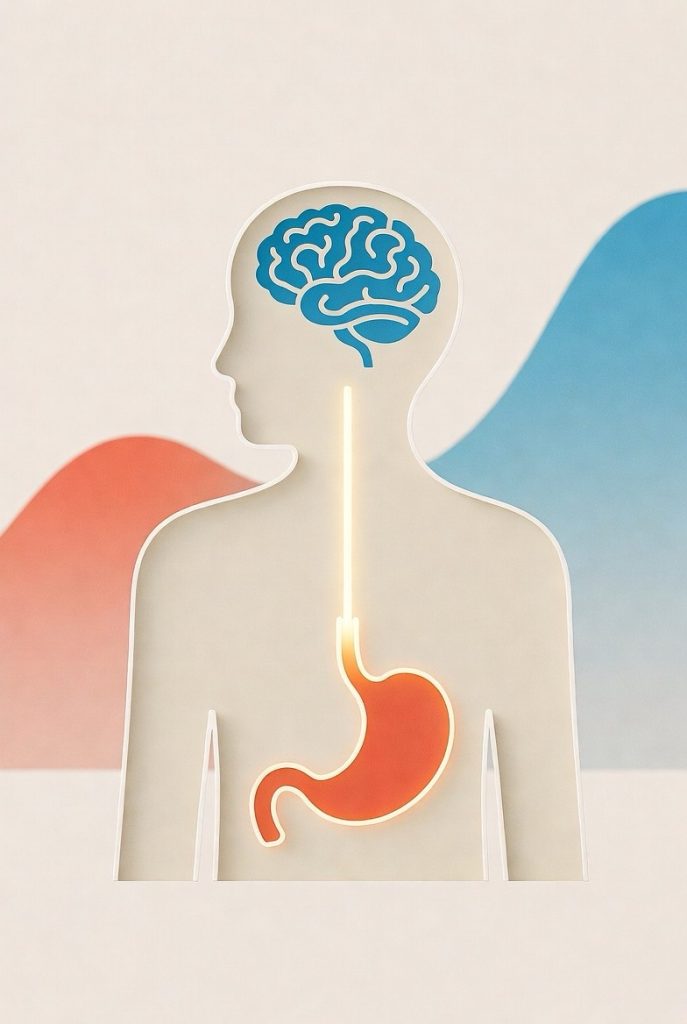
Emerging research highlights how sugar disrupts deeper systems. High-sugar diets cause microbiome imbalance in the gut, favoring harmful bacteria over beneficial ones, which impairs digestion and influences overall health. This dysbiosis can lead to neurotransmitter imbalance, as the gut produces key brain chemicals like serotonin; altered microbiota from sugar consumption disrupts this, exacerbating mood issues and cravings. The gut-brain axis amplifies the problem, where poor gut health signals the brain to seek more sugar, tightening the addictive loop.
Further exploration reveals that microbiome shifts can alter immune signaling, potentially contributing to conditions like leaky gut syndrome, where intestinal permeability increases, allowing toxins to enter the bloodstream and trigger systemic inflammation. This inflammation can reach the brain, influencing cognitive function and emotional regulation, making it harder to resist cravings. Moreover, certain gut bacteria thrive on sugar, producing metabolites that directly affect appetite control centers in the brain, creating a feedback loop that favors overconsumption of refined carbs.
Breaking Free: Detox from Sugar and Achieving Balance
To escape this cycle, a detox from sugar is essential—eliminating added sugars and refined carbohydrates to stabilize blood sugar. Initially, this triggers withdrawal symptoms like headaches, irritability, fatigue, and intensified cravings, similar to quitting other addictive substances. These typically peak within the first week and subside as the body adapts, but supporting the process with nutrient-dense foods, adequate sleep, and stress management techniques can mitigate discomfort.
Transitioning to a low-carb approach can induce ketosis, a metabolic state where the body burns fat for fuel instead of glucose, helping curb cravings and restore insulin sensitivity. During this shift, some experience “keto flu,” overlapping with sugar withdrawal, but staying hydrated, replenishing electrolytes, and gradually reducing carbs eases the process. Over time, this resets hormonal balance, reduces visceral fat, and improves microbiome health, breaking the dependency on processed foods.
Practical strategies include reading labels to avoid hidden added sugars, incorporating fiber-rich whole foods like vegetables and nuts to slow glucose absorption, and practicing mindful eating to recognize true hunger versus emotional triggers. Long-term success often involves building new habits, such as meal prepping balanced options or engaging in physical activity to naturally regulate blood sugar and boost endorphins without relying on sweets. Consulting healthcare professionals for personalized guidance, especially if underlying conditions like insulin resistance are present, ensures a safe and effective transition.
In summary, the interplay of blood sugar fluctuations, hormonal disruptions, and neurological rewards creates a self-reinforcing cycle driven by sugar and refined carbs. By understanding these mechanisms and committing to change, individuals can reclaim control, fostering long-term health and vitality through informed dietary choices. Embracing this knowledge empowers proactive steps toward sustained well-being, transforming potential vulnerabilities into opportunities for resilience and optimal health.