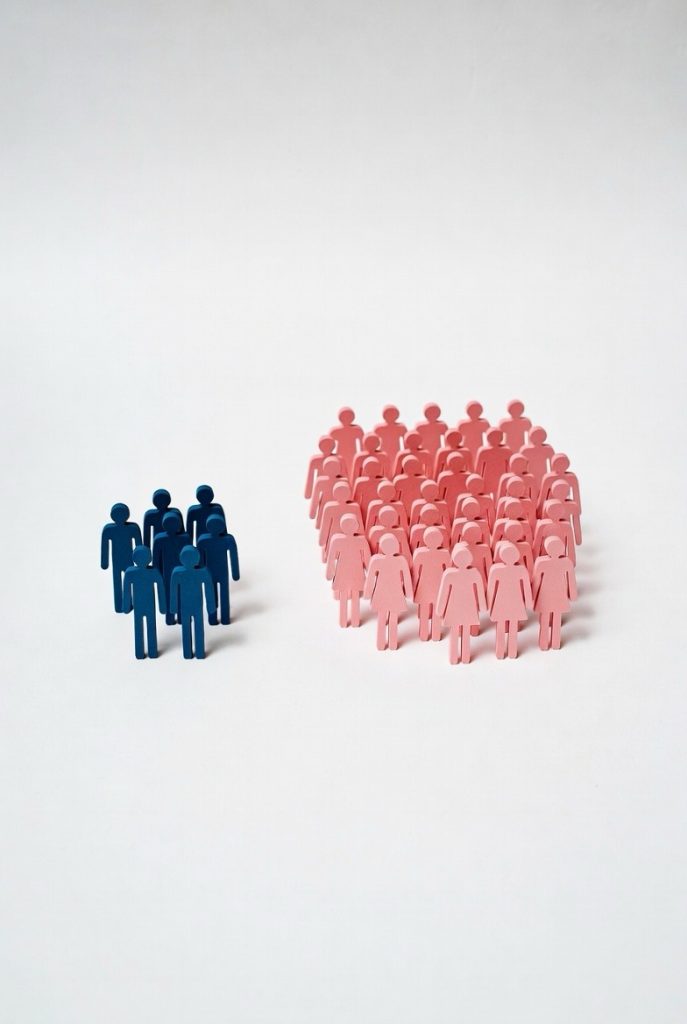
Latvia faces a serious demographic crisis marked by one of Europe’s largest gender imbalances, with women making up about 53–54% of the population. The gap stems from low male life expectancy, high rates of smoking, alcohol abuse, suicide, and preventable deaths, along with higher male emigration for work. These factors leave far fewer men in older and working-age groups. The imbalance affects daily life, increasing demand for “husband for an hour” handyman services and reshaping dating norms, often leading to delayed relationships and more single-parent households. Government efforts in health, migration, and family support aim to slow population decline and narrow the gender gap.
Long Version
Latvia’s Demographic Crisis: The Gender Imbalance Reshaping Society
Latvia, a Baltic nation with a rich cultural heritage, is grappling with a profound demographic crisis characterized by a stark gender imbalance where women heavily outnumber men. This population imbalance, often referred to as a man shortage or male shortage, has roots in historical, economic, and health-related factors, leading to unique social effects that influence everything from daily household chores to broader dating dynamics. As of mid-2025, Latvia’s total population stands at approximately 1.83 million, with women comprising around 53.5% of the inhabitants, creating a gender gap that exceeds the European Union average by a significant margin. This disparity not only highlights ongoing challenges in demographics but also underscores the need for targeted interventions to address the underlying causes.
Unpacking the Statistics: A Deep Dive into Latvia’s Gender Gap
Data indicates that Latvia faces one of Europe’s largest gender imbalances, with about 15.5% more women than men—a figure more than three times the bloc’s average. This translates to roughly 86 to 87 men for every 100 women, resulting in women making up about 53 to 54% of the population, the highest female share in the region. The gap increases with age, becoming more pronounced among older demographics, where the longevity gap plays a pivotal role. For instance, while the overall population imbalance is evident across all age groups, it widens significantly after age 44, with fewer men surviving into later years.
Life expectancy statistics further illuminate this issue. In 2025, Latvian men have a life expectancy at birth of around 70.5 years—one of the lowest in the EU—compared to 80.6 years for women, marking a disparity gap of over 10 years. This longevity gap, where women live about 10 years longer on average, contributes directly to the demographic crisis. Healthy life years also reflect this divide, with men experiencing fewer healthy years compared to women, among the lowest figures in the EU. These metrics paint a picture of a nation where male mortality rates are alarmingly high, exacerbating the overall gender imbalance.
Root Causes: Health, Lifestyle, and Economic Factors Driving the Imbalance
The origins of Latvia’s man drought can be traced to a combination of health crises, economic pressures, and cultural influences. Central to this is the lower male life expectancy, driven primarily by risky behavior, hazardous behavior, and lifestyle choices that disproportionately affect men. Smoking rates are notably higher among men, with around 31% of men smoking compared to just 10% of women, contributing to elevated rates of respiratory diseases and cancers. Alcoholism and heavy drinking are also prevalent, with men more likely to engage in excessive alcohol consumption, leading to liver diseases and accidents. Obesity and overweight issues compound these problems, as men face higher exposure to these risk factors, resulting in a health crisis that shortens lifespans.
Beyond physical health, mental health challenges play a critical role. Depression and suicide rates are disproportionately high among Latvian men, with over 80% of suicides being male. In recent years, Latvia’s standardized suicide mortality rate stands at around 13 to 18 per 100,000 inhabitants, with men accounting for the majority of cases—rates for men can reach 31.9 per 100,000 compared to 6 for women—often linked to unemployment, economic crisis, and post-Soviet lifestyle stresses. The mortality for men is three times higher from preventable causes compared to women, including external factors like accidents and violence.
Emigration adds another layer to this demographic puzzle. Higher male emigration for work opportunities abroad has depleted the male population, particularly among working-age groups. In 2024, around 18,300 people emigrated from Latvia, with a notable portion being men seeking better prospects in Western Europe. During the transition to capitalism following the Soviet era, many men left for higher-paying jobs, leaving behind a skewed gender ratio. This societal transition, marked by economic instability and unemployment, has perpetuated a cycle where men engage in macho culture-driven behaviors—such as risky occupations and hazardous activities—that further reduce their numbers. The post-Soviet lifestyle, with its lingering emphasis on traditional gender roles amid rapid change, has amplified these issues, creating a feedback loop of population decline and gender disparity. Overall, the population has been decreasing by about 1% annually, with net migration contributing significantly to this trend.
Social Effects: From Household Chores to Shifting Relationship Norms
The ramifications of this male shortage extend far beyond statistics, manifesting in unique social effects that reshape everyday life. In a country where women outnumber men by such a wide margin, services like “husbands for an hour” have emerged as a practical solution to the man drought. These hourly husband or rental husband services—often dubbed “rented husbands,” “handy husband,” or “Men With Golden Hands”—allow women to hire men for domestic tasks and household chores such as plumbing, carpentry, furniture assembly, and repairs. Operating within the gig economy, these arrangements provide essential support for single women and single mothers who lack a partner for such chores, filling a void left by the demographic crisis. Demand for these services has risen in 2025, reflecting the ongoing gender gap and its practical implications.
Dating dynamics have also been profoundly impacted. With a lack of decent men and equal partners available, many smart girls alone or beautiful girls alone face delayed marriages and prolonged singlehood. The scarcity of eligible men has led to altered expectations in relationships, where women often seek partners who can share responsibilities amid the broader gender gap. Single mothers, who make up a significant portion of households, navigate these challenges while balancing work and family, further highlighting the social strains of the imbalance. This has sparked innovative adaptations, but it also underscores deeper issues of isolation and inequality in a society still adapting to these demographic shifts.
Broader Implications and Pathways Forward
Latvia’s demographic crisis is not isolated; it reflects broader societal transitions in post-Soviet states, where the move from communism to capitalism has brought both opportunities and hardships. The economic crisis and health disparities have created a vicious cycle, but there are glimmers of progress. Efforts to address smoking, alcoholism, and suicide through public health campaigns are underway, aiming to narrow the life expectancy gap and reduce male mortality. Policies encouraging return migration, supporting mental health, and promoting healthier lifestyles among men are being developed to mitigate emigration’s effects and foster population stability.
Additionally, government initiatives in 2025 focus on demographic policy, including incentives for families to boost birth rates and measures to integrate returning emigrants. These include family support programs, improved healthcare access for men, and economic reforms to reduce unemployment. While challenges persist, such as an aging population and low fertility rates around 1.4 children per woman, these steps aim to create a more balanced demographic landscape.
Ultimately, this crisis offers valuable insights into how demographics influence social structures. By fostering healthier lifestyles, promoting gender equality in health outcomes, and adapting to new economic realities, Latvia can work toward a more balanced future. As a comprehensive resource, this overview emphasizes the importance of evidence-based approaches to ensure long-term stability and equity for all citizens.