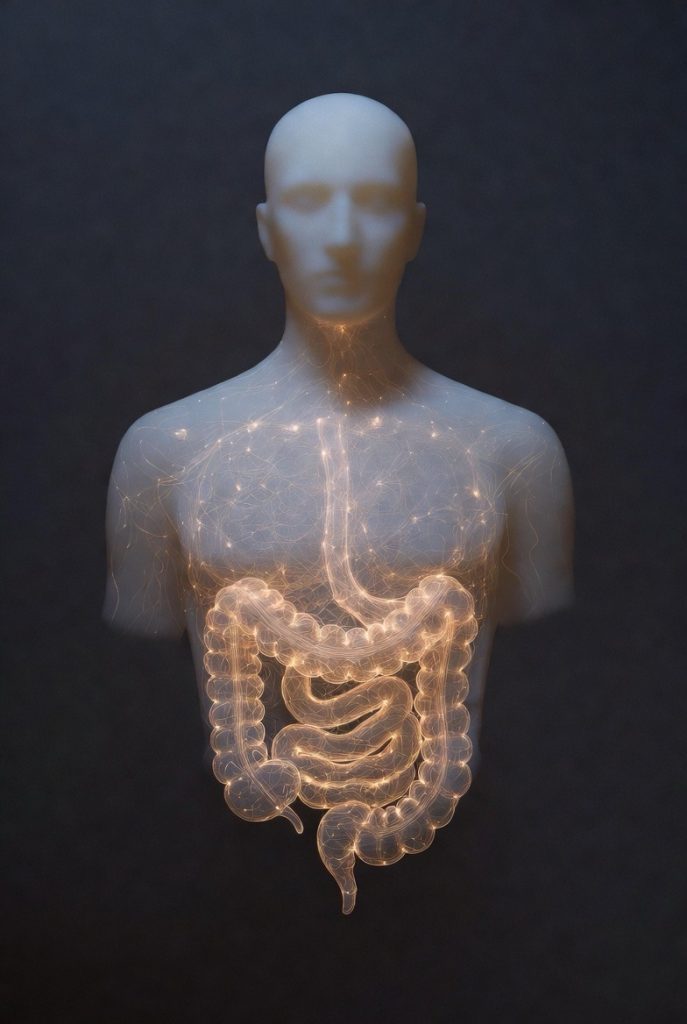
The human gut microbiome, home to trillions of microbes like bacteria, fungi, and viruses, serves as a dynamic ecosystem that profoundly shapes digestion, immunity, and mental well-being. These gut bacteria break down fibers into nourishing short-chain fatty acids, synthesize essential vitamins, fortify the intestinal barrier, and train immune cells to distinguish threats while curbing inflammation and supporting recovery from illnesses. Via the gut-brain axis, microbes produce key neurotransmitters such as serotonin, influencing mood, anxiety, cognition, and stress responses, with imbalances often tied to mental health challenges. Probiotics—live beneficial strains found in fermented foods like yogurt or supplements—help restore microbial balance, providing evidence-based benefits for digestive comfort, immune resilience, and potentially emotional stability, though effectiveness depends on specific strains and individual factors. Cultivating microbiome diversity through a varied, plant-rich diet, regular exercise, quality sleep, and stress reduction fosters lasting health, with emerging AI tools in 2026 offering personalized insights for optimal gut harmony.
Long Version
Unlocking the Power of Your Inner Ecosystem: The Vital Role of Microbes in Human Health
Imagine trillions of microorganisms inside you, orchestrating everything from how you digest lunch to how you handle stress. The human microbiome, especially the gut microbiome, is this vibrant community of bacteria, fungi, viruses, and other microbes that profoundly shapes immunity, mental well-being, and overall vitality. As 2026 brings advancements in precision nutrition and AI-driven insights, grasping the microbiome’s role empowers proactive health choices. This guide explores its intricacies, from foundational functions to cutting-edge applications, offering evidence-based strategies to nurture your microbial allies for lasting wellness.
Decoding the Human Microbiome: A Dynamic Foundation for Health
The human microbiome encompasses all microbes inhabiting our body, with the gut microbiome—home to over 100 trillion organisms—being the most influential. This microbial ecosystem, often likened to a “forgotten organ,” boasts genetic diversity far exceeding our own DNA, enabling functions like metabolizing nutrients and modulating responses to environmental stressors.
Microbiome diversity is crucial; a varied community resists disruptions, while low diversity links to conditions like inflammation or metabolic imbalances. Gut flora imbalance, or dysbiosis, arises from factors such as antibiotics, poor diet, or chronic stress, potentially exacerbating health issues. Recent 2025 findings emphasize early-life microbial colonization’s lasting impact, where initial exposures shape lifelong microbiome health and even behavioral patterns.
Genetics play a role, but lifestyle dominates. Urban dwellers often exhibit less diverse microbiomes compared to those in natural environments, highlighting how modern habits influence this ecosystem. Think of it as cultivating a garden: consistent care through balanced inputs yields resilience against pests and poor yields.
Core Functions: Digestion, Nutrient Synthesis, and Beyond
Gut bacteria excel at fermenting indigestible fibers into short-chain fatty acids like butyrate, which energize intestinal cells and fortify the gut barrier against leaks. This process enhances nutrient uptake, synthesizing essentials like vitamin K and B vitamins, vital for energy and blood health.
When disrupted, symptoms such as gut bacteria inflammation or irregular digestion emerge. A microbiome-friendly diet rich in diverse plants counters this, promoting bacterial harmony. 2025 research reveals how specific metabolites from microbes regulate systemic processes, underscoring the microbiome’s reach beyond the gut.
Strengthening Immunity: The Microbiome’s Role in Defense Mechanisms
The gut houses about 70% of immune cells, where microbes train them to differentiate threats from allies, curbing overreactions in allergies or autoimmune diseases. Bacteria immunity involves producing anti-inflammatory compounds and modulating responses, with 2025 studies linking microbial metabolites to reduced cardiovascular risks via inflammation control.
In viral challenges, a balanced microbiome amplifies antiviral proteins, aiding recovery. Microbiome immunity extends to cancer, where beneficial microbes enhance T-cell function against tumors like melanoma. Conversely, dysbiosis can foster immune evasion in cancers, highlighting the dual-edged nature.
Autoimmune links are emerging: Altered skin and oral microbiomes correlate with multiple sclerosis severity, while gut shifts influence systemic lupus erythematosus. For infections, gut microbes bolster antiviral immunity by regulating host defenses, a nexus gaining attention in 2025 research.
Everyday Strategies to Bolster Microbiome Immunity
Support this alliance with:
- Fermented foods like yogurt or kimchi, introducing live cultures to enhance diversity.
- Prebiotic-rich items such as garlic, onions, and bananas, fueling good bacteria.
- Regular movement, as exercise boosts microbial variety and immune vigor.
- Mindful antibiotic use, reserving them for necessities to preserve balance.
These habits fortify defenses, potentially lowering vulnerability to seasonal ills and chronic conditions.
The Gut-Brain Axis: Microbial Influences on Mental Well-Being and Cognition
The gut-brain axis facilitates two-way communication via nerves, hormones, and immune signals, with microbes producing neurotransmitters like serotonin—mostly gut-derived—affecting mood and cognition. Dysbiosis ties to microbiome mental health disruptions, including heightened anxiety or depression symptoms.
2025-2026 research advances reveal microbes’ role in stress responses and circadian rhythms; imbalances heighten vulnerability to disorders. Early-life colonization shapes brain development, with dendritic cells migrating from gut to brain, influencing behavior. In space or high-stress environments, microbiome shifts underscore this link.
For conditions like depression, anxiety, or schizophrenia, gut-brain axis dysfunction involves altered microbiota, prompting explorations of microbial biomarkers. Probiotics for mental health, or psychobiotics, show promise: Strains like Lactobacillus reduce anxiety by vagus nerve modulation, with 2025 studies noting well-being improvements in midlife women.
Nurturing Mental Resilience Through Microbial Care
Enhance this connection by:
- Incorporating omega-3 sources like walnuts for anti-inflammatory support.
- Practicing stress-relief techniques such as meditation, which positively alters gut flora.
- Adding probiotics during transitions, potentially easing mood fluctuations.
- Prioritizing sleep, as it aids microbial recovery and cognitive sharpness.
Cultivating gut health thus fosters emotional stability and mental clarity.
Probiotics and the ‘Biotics Family: Tools for Microbial Balance
Probiotics—live beneficial bacteria in foods or supplements—offer probiotics benefits like digestive aid and immune support. Evidence supports their role in antibiotic-associated diarrhea (reducing risk by 51%) and specific IBS forms, but controversies persist: Not all strains deliver universal perks, and efficacy varies.
Probiotics side effects are rare in healthy individuals but warrant caution in immunocompromised groups, where risks like bloodstream entry exist. Gut health probiotics, such as multi-strain formulas, excel when paired with high-fiber diets, per 2025 trials.
Expanding the toolkit:
- Prebiotics: Fibers nourishing existing microbes, in chicory or supplements.
- Synbiotics: Combined pre- and probiotics for synergistic effects.
- Postbiotics: Microbial byproducts like short-chain fatty acids, providing benefits sans live cells.
2025 innovations include next-gen biotics and precision delivery, emphasizing microbiome individuality for tailored approaches.
Addressing Controversies: Balanced Views on Probiotic Use
While hype surrounds probiotics for immunity or mental health, evidence is strongest for targeted uses. Overuse may disrupt natural balance, and SIBO cases require strain-specific caution. Consult professionals for personalized integration, focusing on evidence-based strains.
Lifestyle and Diet: Cornerstones of Microbiome Maintenance
A gut microbiome diet prioritizes variety: Aim for 30 plant types weekly, including fruits, veggies, legumes, nuts, and whole grains, to boost diversity and reduce inflammation, as 2025 Zoe research on microbiome health rankings suggests.
Lifestyle complements: Exercise promotes diversity; sleep regulates microbial rhythms; stress management prevents dysbiosis. Microbiome testing via stool analysis offers insights, guiding adjustments.
Aging alters microbiomes—diversity declines, linking to frailty—but plant-based shifts counter this. Gender differences emerge, with women’s microbiomes showing unique responses to probiotics for well-being.
Sustainable probiotics from eco-sources align health with planetary care, minimizing antibiotic overuse in farming that affects human flora.
Emerging Horizons: AI, Sustainability, and Therapeutic Frontiers
2026 spotlights AI in microbiome analysis for personalized diets, predicting interventions from data. This precision nutrition targets metabolic health, neurogastroenterology, and immune modulation.
Phage therapy and multi-omics advance therapeutics, while microbiome-first foods integrate biotics for holistic benefits. Ethical considerations in research ensure equitable access, fostering microbiome ethics in applications.
Harnessing Microbial Power: Pathways to Enduring Health
The human microbiome’s role in health is expansive, from bacteria immunity and gut-brain connections to probiotics’ targeted support. Balancing this ecosystem through diverse diets, mindful lifestyles, and informed biotic use prevents dysbiosis, enhancing resilience.
Actionable insights: Embrace plant diversity, incorporate fermented foods, and explore testing for tailored strategies. As 2026 innovations like AI personalization unfold, prioritizing your microbiome unlocks profound well-being—your inner ecosystem holds the key to thriving.