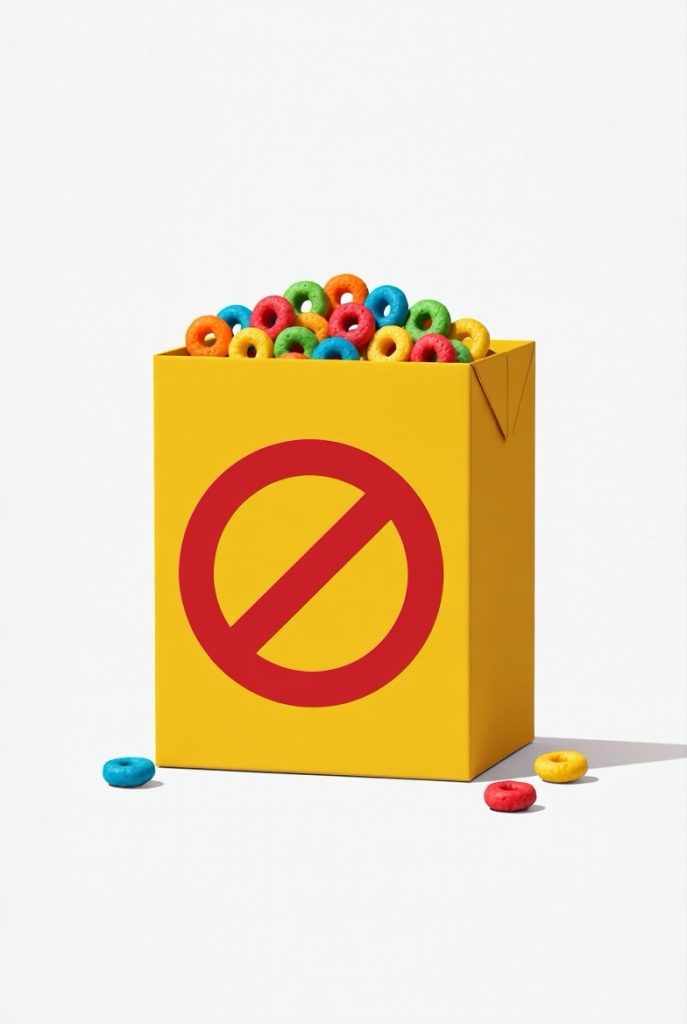
Popular American cereals like Frosted Flakes and Rice Krispies are often unavailable in Japan and the EU due to stricter regulations on preservatives such as BHT, a synthetic antioxidant commonly added in the U.S. to prevent spoilage and maintain crispness. While the FDA considers BHT safe in small amounts, Japan’s positive-list system and the EU’s precautionary approach tightly restrict or limit it over potential health concerns, including endocrine disruption seen in animal studies. As a result, brands reformulate these products without BHT for international markets, making original U.S. versions hard to find abroad. This regulatory divide highlights differing global standards on food additives banned in Europe and elsewhere, encouraging cleaner alternatives and greater consumer awareness about everyday breakfast choices.
Long Version
Why Popular American Cereals Like Frosted Flakes and Rice Krispies Are Often Unavailable in Japan and the EU
Picture this: You’re an American expat in Tokyo or Paris, scanning supermarket shelves for a comforting box of Frosted Flakes or Rice Krispies, only to realize they’re nowhere in sight. It’s not about cultural preferences or supply chain quirks—it’s rooted in differing global standards on food additives banned in Europe and beyond, particularly preservatives like BHT. This common ingredient, found in many American foods banned in other countries, highlights a broader debate on food safety. While the U.S. allows it in limited amounts, stricter regulations abroad mean these beloved cereals either get reformulated or stay off the market. In this comprehensive exploration, we’ll break down the science, regulations, health implications, and practical solutions, empowering you to make informed choices no matter where you are.
The Role of BHT in Food Preservation
BHT, or butylated hydroxytoluene, is a synthetic antioxidant derived from petroleum. It’s added to processed foods to combat oxidation, which causes rancidity and spoilage. In cereals, it keeps flakes crisp and flavors intact during storage and transport. Without such preservatives, products might spoil faster, raising costs for manufacturers and consumers alike.
Why rely on BHT? Natural alternatives exist, but they’re often pricier or less effective at scale. In the U.S., it’s approved by the FDA as “generally recognized as safe” (GRAS) in small quantities—typically under 0.02% of a product’s fat content. However, this GRAS status allows industry self-regulation, sparking criticism for lacking rigorous pre-market testing. Abroad, BHT in food faces scrutiny for its synthetic nature, leading to restrictions that affect imports of American cereals banned abroad.
Regulatory Differences: US vs. Japan vs. EU on Food Additives
Food additives regulations: US vs. Japan vs. EU reveal fundamental philosophical divides. The U.S. adopts a reactive stance—additives are permitted unless proven harmful through substantial evidence. This has allowed over 10,000 GRAS substances, including BHT, with minimal oversight.
Japan, guided by the Ministry of Health, Labour and Welfare (MHLW), uses a “positive list” system. Only approved additives in specified amounts are allowed, emphasizing prevention. BHT isn’t outright banned but faces tight concentration limits, especially in imported goods. Recent updates, including those effective from mid-2025 onward, reinforce testing for synthetic resins and preservatives, making non-compliant American products hard to import. For instance, while a reformulated Corn Frosties (akin to Frosted Flakes) is sold in Japan without BHT, the original U.S. version with the additive often doesn’t clear customs.
The EU, via the European Food Safety Authority (EFSA), employs the precautionary principle: Potential risks lead to restrictions until safety is confirmed. BHT is permitted in limited uses, like fats or chewing gum, but capped in cereals and snacks to minimize exposure. Ongoing reviews, including those in 2025, have tightened limits amid endocrine disruption concerns. This means American cereals not available in Japan due to preservatives must be adapted for EU markets, often swapping BHT for tocopherols or other naturals.
These contrasts extend to enforcement. Japan and the EU mandate traceability and frequent re-evaluations, while U.S. changes, like California’s 2025 bans on certain dyes and additives, signal gradual shifts toward alignment.
Specific Cereals Impacted by BHT Restrictions
Frosted Flakes banned in Japan? Not exactly banned, but the U.S. formulation with BHT rarely makes it to shelves. Kellogg’s exports a BHT-free version to comply, but availability is spotty. Similarly, Rice Krispies, with BHT for crispiness, face hurdles—claims of outright bans stem from non-approval of the additive-laden recipe.
Other examples include Honey Bunches of Oats, restricted for BHT and dyes, and Apple Jacks, limited in Japan for Yellow #6. Even non-cereals like Wheat Thins encounter barriers in the EU and Japan for similar reasons. These aren’t total prohibitions; brands reformulate, but the “authentic” American versions with BHT stay domestic.
Why the selectivity? High-sugar, processed items like these amplify concerns over cumulative additive exposure, especially for children.
Health Risks of BHT: What the Science Says
Is BHT banned in Europe for good reason? The evidence is nuanced. Animal studies link high doses to liver enlargement, kidney strain, and tumor promotion. As a potential endocrine disruptor, it may mimic hormones, affecting metabolism and reproduction. Recent research, including 2025 analyses, associates chronic low-level exposure with allergies, hyperactivity, and hormone imbalances.
However, human data is limited—most risks emerge at levels far above typical consumption. The FDA maintains safety in regulated amounts, citing decades of use without widespread issues. Critics, including environmental groups, argue cumulative effects from multiple sources warrant caution. Balanced views suggest vulnerable populations, like kids or those with sensitivities, benefit from avoidance, while occasional intake poses minimal risk.
Evolving U.S. Regulations and State-Level Changes
U.S. policy is shifting. California’s pioneering bans, implemented in 2025, target dyes like Red #3 and additives linked to health risks, influencing national discourse. By 2026, schools phase out ultra-processed foods, including those with synthetic preservatives. Other states follow, pressuring federal updates.
Globally, this pushes harmonization. Brands like Kellogg’s and General Mills have removed BHT from some lines since 2015, responding to consumer demand for cleaner labels.
BHT-Free Alternatives and Practical Tips
Seeking cereals without BHT? Options abound. In the U.S., try Cheerios (original), Shredded Wheat, or Nature’s Path Organic varieties like Heritage Flakes—whole-grain focused with natural preservatives. For gluten-free, Barbara’s Organic Corn Flakes or Three Wishes offer simple ingredients.
Abroad, Japan favors local options like Calbee Frugra (granola with natural stabilizers). In the EU, Weetabix or Jordans emphasize minimally processed grains. Emerging brands like Magic Spoon provide low-sugar, protein-rich alternatives without synthetics.
At home, DIY: Blend oats, nuts, and fruits for customizable breakfasts. Apps scanning labels help spot BHT. When traveling, research reformulated imports or pack BHT-free favorites.
Wider Implications for Global Food Standards
The scarcity of American cereals abroad underscores tensions in global trade. Exporters adapt, but costs rise, potentially limiting choices. Health-wise, it promotes “clean eating,” reducing ultra-processed intake linked to obesity and chronic issues.
Ethically, it questions priorities: Innovation versus precaution? As awareness grows, consumer pressure drives change, fostering safer standards worldwide.
Key Insights for Healthier Choices
Ultimately, the unavailability of Frosted Flakes and Rice Krispies in Japan and the EU stems from precautionary curbs on BHT and similar additives, contrasting U.S. leniency. While debates on risks persist, opting for minimal processing benefits all. Check labels, explore alternatives, and advocate for transparency—your breakfast can be both delicious and mindful.