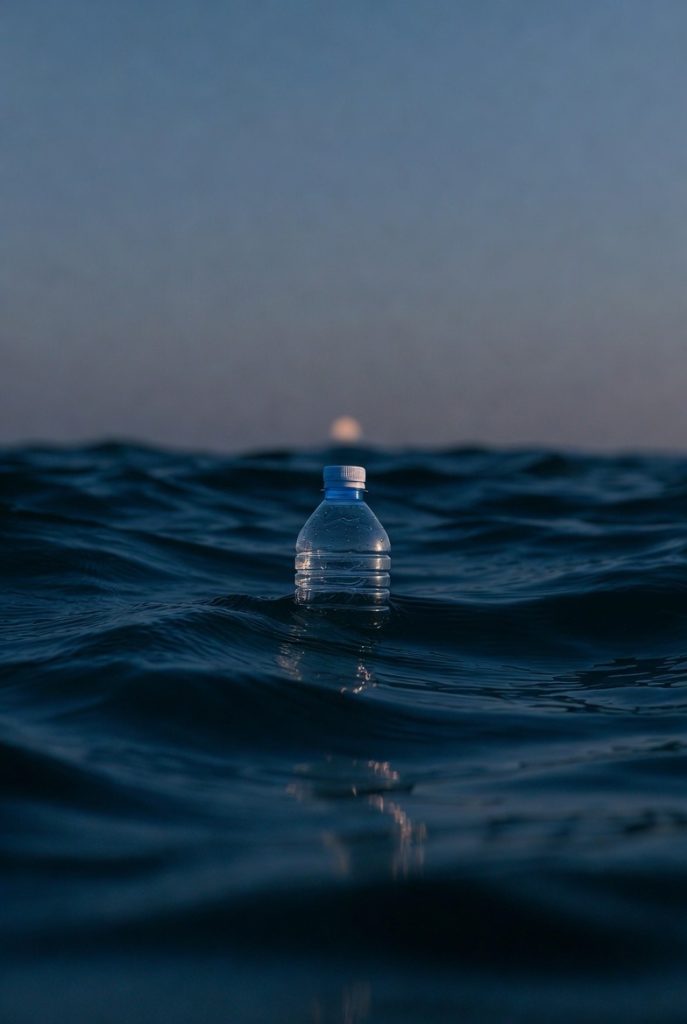
The world’s oceans, covering over 70% of Earth and sustaining billions through vital food chains, face a silent crisis from plastic pollution. With over 400 million tons of plastic produced annually—half for single-use items like bags and packaging—millions of tons enter marine environments yearly via rivers and runoff, fragmenting into microplastics that persist for centuries. These particles are ingested by marine life from plankton to fish, causing entanglement, starvation, and habitat damage while enabling bioaccumulation and biomagnification of toxins up the food chain. Humans, as top consumers, encounter microplastics in seafood, with potential health risks from chemical additives and absorbed pollutants. Yet practical solutions offer hope: adopting zero-waste practices, supporting bans on single-use plastics, improving waste infrastructure, and embracing innovations could cut ocean debris by up to 50% in a decade, protecting ecosystems and human health through collective action.
Long Version
The Silent Ocean Crisis: Plastic Pollution’s Impact on Global Food Chains and How to Stop It
Picture the world’s oceans as a vast, interconnected web of life, silently sustaining our planet’s biodiversity and feeding billions through intricate food chains. Yet, beneath the waves, a hidden menace lurks: plastic pollution, an escalating threat that infiltrates every level of marine ecosystems. This crisis isn’t just about littered beaches; it’s a profound disruption that leads to microplastics contaminating seafood, bioaccumulation of toxins in human health, and widespread ecological imbalance. By understanding the full scope—from sources and impacts to actionable solutions like zero-waste practices and bans on single-use items—we can chart a path to reduce ocean debris by up to 50% in a decade. Join us as we dive deep into this urgent issue, uncovering insights that empower you to make a difference.
The Fundamentals of Plastic Pollution in Marine Environments
At its core, plastic pollution encompasses the introduction of synthetic polymers into ocean systems, where they endure for hundreds of years. These materials, derived primarily from fossil fuels, resist natural decomposition, fragmenting instead into ever-smaller pieces that permeate the seas.
Origins and Pathways of Ocean Plastic
The journey of plastic into the oceans begins on land, where inadequate waste management allows rivers to transport millions of tons annually. Urban runoff, agricultural practices, and coastal dumping contribute heavily, with developing regions often lacking the infrastructure to handle growing consumption. Maritime sources, including lost fishing gear and shipping waste, add to the mix, accounting for a notable portion of marine litter.
Globally, plastic production exceeds 400 million tons yearly, with single-use items like bags, straws, and packaging dominating the market. Only a fraction is recycled, leaving vast quantities to escape into waterways. Wind and storms exacerbate this, carrying lightweight debris from landfills to the sea. Recognizing these pathways highlights the need for upstream interventions to curb inflows before they reach marine habitats.
Categories and Persistence of Plastics
Plastics vary widely, from large macroplastics like bottles and nets to minute microplastics under 5 millimeters. Primary microplastics originate from products such as exfoliating beads in cosmetics or synthetic fibers shed during laundry cycles. Secondary microplastics form as larger items degrade under UV radiation, wave action, and mechanical wear.
Their persistence is staggering—some plastics take over 500 years to break down fully. This longevity allows them to travel vast distances via ocean currents, accumulating in gyres that form massive debris fields. The Great Pacific Garbage Patch exemplifies this, a swirling mass of trash that underscores how localized pollution becomes a global problem, affecting remote ecosystems far from human activity.
Ripple Effects on Marine Ecosystems and Food Chains
Plastic pollution’s assault on the oceans disrupts delicate balances, from individual species survival to entire food web dynamics. This interference threatens the productivity of marine environments, which generate half the planet’s oxygen and support fisheries worth trillions economically.
Direct Harm to Wildlife: Ingestion and Entanglement
Animals across the marine spectrum fall victim to plastics. Herbivorous species like sea turtles ingest floating debris mistaken for food, leading to internal blockages and malnutrition. Carnivorous birds and fish consume contaminated prey, perpetuating the cycle. Entanglement in derelict fishing nets—often called ghost nets—immobilizes creatures, causing drowning or starvation, with estimates suggesting hundreds of thousands of deaths yearly among mammals alone.
Habitat alteration adds another layer; plastics blanket seafloors, suffocating seagrass beds and coral reefs essential for breeding and shelter. Corals, already stressed by warming waters, face compounded threats as debris harbors pathogens and blocks light, reducing their resilience and the biodiversity they sustain.
Mechanisms of Bioaccumulation and Biomagnification
The insidious nature of microplastics lies in their role as toxin carriers. These particles adsorb persistent organic pollutants from surrounding water, concentrating chemicals like PCBs and DDT. When ingested by zooplankton at the food chain’s base, toxins transfer upward.
Through bioaccumulation, organisms retain these substances over time. Biomagnification then amplifies concentrations in higher predators—fish, seals, and sharks—reaching levels exponentially higher than in the environment. This process not only impairs animal health, causing endocrine disruption and reduced fertility, but also cascades to ecosystem instability, where declines in key species alter predator-prey relationships and nutrient cycling.
Broader Ecological Consequences
Beyond immediate harm, plastic pollution influences microbial communities, potentially shifting ocean chemistry. Altered plankton populations could disrupt carbon sequestration, exacerbating climate challenges. In polar regions, plastics transport invasive species, introducing new threats to fragile habitats. These multifaceted impacts reveal plastic pollution as a systemic stressor, intertwined with overfishing and acidification for a compounded crisis.
Human Health Connections Through Contaminated Seafood
As consumers of marine resources, humans sit at the apex of affected food chains, facing indirect but significant risks from ocean plastic. Microplastics in seafood bridge environmental degradation to public health, prompting a reevaluation of dietary choices and global supply chains.
Pathways of Exposure in Daily Diets
Seafood consumption exposes us to microplastics, with studies detecting particles in a majority of commercial species. Filter feeders like bivalves accumulate high loads by processing vast water volumes, while pelagic fish ingest them through prey. Processing and cooking don’t eliminate these; particles persist in edible tissues.
Once ingested, microplastics may cause physical irritation in the gastrointestinal tract or facilitate toxin uptake. Smaller nanoplastics could cross cellular barriers, entering bloodstreams and organs, though long-term effects remain under investigation. For populations reliant on seafood—coastal communities and island nations—this represents a chronic exposure risk, intertwined with nutritional benefits.
Associated Health Risks and Emerging Evidence
Leached chemicals from plastics, including phthalates and flame retardants, act as hormone disruptors, potentially linking to metabolic disorders and developmental issues. Inflammation from particle presence might contribute to broader conditions, though causality is complex and influenced by overall diet and lifestyle.
Balanced perspectives note that while risks exist, they must be weighed against seafood’s advantages, such as heart-healthy fats. Vulnerable groups, including children and expectant mothers, warrant extra caution, opting for low-contamination sources. Ongoing research emphasizes monitoring and reducing exposure to safeguard health without forgoing marine nutrition.
Societal and Economic Dimensions
The health implications extend economically, burdening healthcare systems with potential toxin-related ailments. Fisheries face reduced yields from polluted stocks, impacting livelihoods in fishing-dependent economies. Tourism suffers too, as degraded coastlines deter visitors, highlighting how environmental health underpins human prosperity.
Intersections with Global Challenges
Plastic pollution doesn’t exist in isolation; it intersects with climate change, where melting ice releases trapped debris and altered currents redistribute pollution. Biodiversity loss accelerates as plastics compound habitat pressures, while equity issues arise—low-income nations disproportionately handle waste from wealthier producers, calling for fair global responses.
Future projections warn of tripling plastic waste by mid-century without intervention, intensifying food chain disruptions. Yet, this also presents opportunities for innovation, integrating pollution control with sustainable development goals.
Comprehensive Strategies to Halt and Reverse the Crisis
Addressing this crisis demands integrated efforts, blending personal responsibility with systemic change. Ocean debris reduction is achievable through targeted actions that prevent entry and remove existing pollution.
Implementing Zero-Waste Lifestyles
Zero-waste practices empower individuals to minimize contributions. Reduce reliance on disposables by choosing reusable bags, containers, and utensils. Reuse extends product life, while recycling ensures materials re-enter cycles. Home composting and mindful purchasing cut waste at the source, with simple swaps like cloth laundry bags capturing microfibers.
Community initiatives, such as beach cleanups and educational programs, build collective momentum, fostering habits that scale to broader impact.
Policy Advocacy and Regulatory Measures
Bans on single-use plastics have proven effective, with jurisdictions seeing sharp litter declines post-implementation. Advocating for extended producer responsibility holds companies accountable for product lifecycles, incentivizing eco-design. International agreements aim to limit production and trade in harmful plastics, promoting global standards.
Investments in waste infrastructure, particularly in high-emission regions, prevent riverine outflows. Economic incentives, like deposit-return schemes for bottles, encourage proper disposal and recycling rates.
Technological and Innovative Approaches
Advancements offer promising tools: biodegradable alternatives from algae or starch reduce persistence, while cleanup technologies like autonomous drones target surface debris. Enzymatic degradation harnesses microbes to break down plastics at molecular levels, with pilot projects demonstrating feasibility.
Research into circular economies reimagines supply chains, turning waste into resources. Collaboration between scientists, industries, and governments accelerates these solutions, ensuring scalability.
Overcoming Barriers with Inclusive Action
Challenges include enforcement gaps and resistance from vested interests, but inclusive strategies engage diverse stakeholders—from indigenous knowledge in coastal management to youth innovation in campaigns. Education demystifies the issue, inspiring action across demographics.
A nuanced view acknowledges corporate roles; while individuals matter, systemic shifts from producers drive the most change. Equity ensures solutions don’t burden marginalized groups, promoting just transitions.
Envisioning a Plastic-Free Future
In wrapping up, the silent ocean crisis of plastic pollution profoundly affects global food chains through ingestion, entanglement, and bioaccumulation, extending risks to human health via microplastics in seafood. Sources like single-use items fuel this, but strategies encompassing zero-waste practices, bans, and innovations promise substantial ocean debris reduction.
This isn’t an insurmountable challenge—it’s a call to action. By integrating personal choices with advocacy, we protect marine vitality and our well-being. Embrace these steps today for resilient oceans tomorrow, where food chains thrive unhindered, benefiting all life on Earth.