Tag: bioaccumulation

Blog

Microplastics in Seafood: The Hidden Threat and Fixes

The world’s oceans, covering over 70% of Earth and sustaining billions through vital food chains, face a silent crisis from plastic pollution. With over 400 million tons of plastic produced annually—half for single-use items like bags and packaging—millions of tons enter marine environments yearly via rivers and runoff, fragmenting into microplastics that persist for centuries. […]

Blog

Microplastics in Every Human Testicle Linked to Low Sperm Count

Microplastics, tiny plastic particles from widespread pollution, have been found in 100% of studied human testes, with high levels of polyethylene and polyvinyl chloride linked to lower sperm counts, hormonal disruption, and tissue inflammation. Research shows these contaminants build up in testicular tissue through ingestion of contaminated food and water or inhalation of airborne particles, […]

Blog

Mercury in Fish: Risks & Safe Choices

Mercury pollution enters waterways from coal plants, volcanoes, gold mining, and other sources. In sediments, bacteria convert it to toxic methylmercury (MeHg), which builds up in fish through bioaccumulation and biomagnification—levels rise dramatically in larger predatory fish like swordfish, tuna, and shark as they eat smaller ones. This poses serious health risks, especially neurotoxicity from […]

Blog

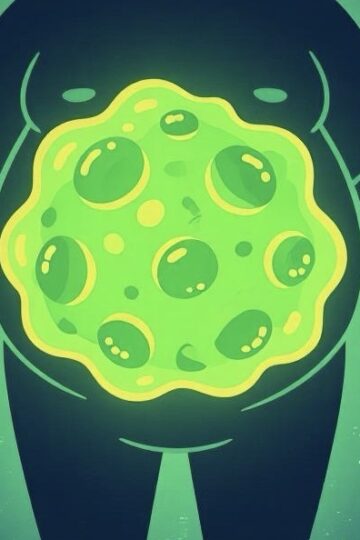
POPs in Body Fat: Health Risks & How to Reduce Them

Persistent organic pollutants (POPs) like PCBs, DDT, and PFAS accumulate in the fat of overweight and obese individuals, increasing risks of hormone disruption, immune issues, and chronic diseases such as diabetes, heart disease, and fatty liver disease. These lipophilic toxins, found in contaminated foods like farmed salmon and industrial byproducts, build up in adipose tissue, […]
Blog

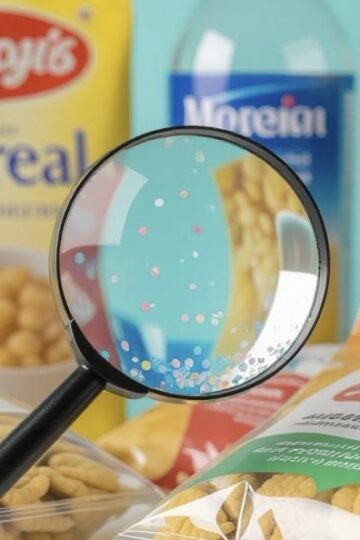
Microplastics in Packaged Foods: Health Risks and Solutions

Microplastics and nanoplastics from plastic packaging contaminate packaged foods, especially processed items and beverages, posing health risks through ingestion. These tiny particles, formed by migration, leaching, or environmental pollution, carry toxic additives like phthalates and BPA, linked to inflammation, immune issues, infertility, and cancer risks. Advanced detection methods, such as FTIR and Raman spectroscopy, confirm […]

Blog

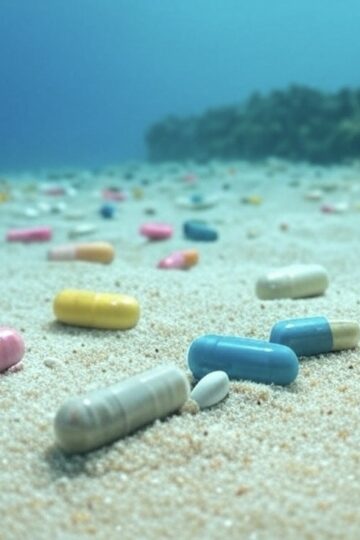
Pharmaceutical Pollution: Impact on Ocean Life & Ecosystems

Pharmaceuticals pollute oceans, harming marine life and ecosystems. Drug residues, like antibiotics and hormones, enter through wastewater, sewage, and runoff, contaminating water and accumulating in fish and shellfish. These chemicals disrupt hormones, alter fish behavior, and damage coral reefs. Microplastics worsen the issue by carrying drugs, increasing bioaccumulation. To reduce harm, we need better wastewater […]

Blog

Mercury in HFCS: Risks, Research, and Food Safety Insights

High fructose corn syrup (HFCS) has long been a staple sweetener in the food industry, found in everything from sodas to baked goods. But in the late 2000s, a startling question emerged: could this ubiquitous ingredient harbor traces of mercury, a notorious heavy metal linked to toxicity and health risks? The intersection of mercury and […]