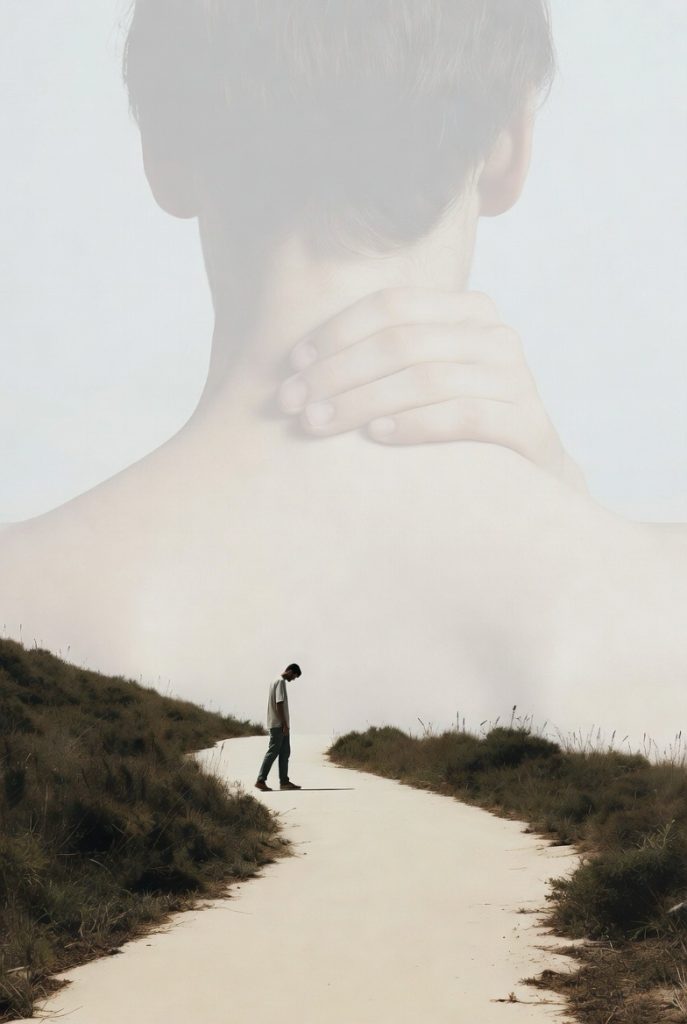
Stress is a major concern in today’s fast-paced world, leading to anxiety, insomnia, and muscle tension. Natural remedies like walking and acupressure offer effective ways to relieve stress and promote well-being. Walking boosts endorphins, reduces cortisol, and improves mood, especially when done mindfully or with grounding techniques like earthing. Acupressure targets specific points to restore balance, calm the nervous system, and alleviate anxiety. Key acupoints like Union Valley and Yin Tang help reduce tension and stress. Combining both walking and acupressure in a self-care routine enhances emotional balance, promotes relaxation, and improves sleep quality, offering a natural, holistic approach to managing daily stress and enhancing mental health.
Long Version
Harnessing Walking and Acupressure: Natural Pathways to Stress Relief and Well-Being
In today’s fast-paced world, daily stress has become a pervasive challenge, impacting mental health and overall well-being. Chronic exposure to stressors can elevate cortisol levels, disrupt the nervous system, and lead to issues like anxiety, insomnia, and muscle tension. Fortunately, natural remedies such as walking and acupressure offer effective relaxation techniques for tension release and emotional balance. Rooted in holistic healing principles, these approaches promote calmness by activating the body’s parasympathetic response, boosting endorphins, and fostering mindfulness. This article explores their mechanisms, benefits, and practical applications, drawing on established knowledge to provide a complete resource for incorporating them into self-care routines.
The Science Behind Stress and Natural Interventions
Stress triggers a cascade of physiological responses, including heightened cortisol levels and sympathetic nervous system activation, which can exacerbate anxiety reduction needs and impair mood enhancement. Physical activity like walking counters this by stimulating endorphin production, the body’s natural mood elevators, while reducing baseline cortisol over time. Similarly, acupressure, an alternative therapy derived from Traditional Chinese Medicine (TCM), targets acupoints to regulate qi flow, calming the nervous system and promoting holistic healing. These methods address not just symptoms but underlying imbalances, making them valuable for managing existential anxiety, preoperative anxiety, and even cancer-related fatigue.
Walking: A Simple Yet Powerful Tool for Mental Health
Walking stands out as an accessible form of physical activity that directly supports stress relief. Regular brisk walks boost endorphins, enhancing feelings of well-being and providing a distraction from daily worries. Exercise intensity influences the cortisol response, with moderate activities like walking dampening the stress hormone in a dose-dependent manner. Incorporating mindfulness transforms it into mindful walking, where focusing on each step and breath deepens the parasympathetic response, reducing blood pressure and improving sleep quality.
Earthing, or grounding through barefoot walking on natural surfaces, further amplifies benefits by lowering cortisol levels and alleviating muscle tension alleviation. Mindful walking not only fosters emotional balance but also combats rumination, leading to better mood enhancement and overall mental health. For those dealing with insomnia relief, combining walking with techniques like 4-7-8 breathing—inhaling for four seconds, holding for seven, and exhaling for eight—can regulate the nervous system and promote restful sleep. To enhance this practice, consider varying terrains, such as forest paths or urban trails, to engage the senses fully and deepen the connection to nature, which can further reduce mental fatigue and promote sustained calmness.
Acupressure: Targeting Pressure Points for Calmness
Acupressure involves applying firm pressure to specific acupressure points, or acupoints, along the body’s meridians to restore qi flow and achieve tension release. As a self-acupressure practice, it’s a convenient, non-invasive alternative therapy that draws from TCM to calm the mind and body. It effectively reduces anxiety, particularly in preoperative settings, by shifting the body from stress mode to healing. Related practices like EFT (Emotional Freedom Technique) or tapping therapy integrate acupressure with affirmations for enhanced emotional balance.
Key acupoints include the Union Valley (Hegu or LI4), located between the thumb and index finger, which aids in anxiety reduction and muscle tension alleviation. The Great Surge (Tai Chong or LV3) on the foot promotes qi flow for overall calmness, while the Heavenly Gate (Shenmen) or Heart 7 on the wrist is renowned for soothing the spirit and addressing existential anxiety. Gallbladder 12, behind the ear, helps with headache relief tied to stress. To optimize results, use circular motions or steady pressure for 1-3 minutes per point, breathing deeply to amplify the relaxation effect.
Specific Acupressure Points for Targeted Relief
For deeper tension release, focus on the Yin Tang (Extra-1 or Hall of Impression), the third eye point midway between the eyebrows, which calms an overactive mind and supports insomnia relief. Apply gentle pressure here for 30 seconds, repeating as needed. Heart 7, also called Shenmen, directly influences the heart meridian in TCM, reducing stress that affects emotional balance. Acupressure’s efficacy in lowering anxiety levels is notable, especially when using finger massage on points like these. For cancer-related fatigue or preoperative anxiety, stimulating these acupoints can provide adjunctive support, enhancing well-being without side effects. Enhance your routine by combining points in sequences, such as starting with Yin Tang for mental clarity, followed by Union Valley for physical release, to create a personalized flow that addresses multiple stress layers.
Integrating Walking and Acupressure for Holistic Healing
Combining walking with acupressure creates a synergistic self-care routine for daily stress management. Start with a mindful walking session outdoors, incorporating earthing for grounding, then follow with self-acupressure on key points like Yin Tang or Union Valley to reinforce the parasympathetic response. Integrate complementary practices such as Qi Gong, which blends movement with qi flow regulation, or Yin yoga for deeper muscle tension alleviation and calmness. Tapping therapy via EFT can be done during walks, targeting acupoints while affirming positive intentions for mood enhancement.
This integration improves sleep quality and reduces fatigue when physical activity like walking pairs with acupressure. For insomnia relief, perform acupressure on the Great Surge point before bedtime, following an evening walk to lower cortisol levels. This holistic approach not only addresses immediate tension but builds long-term resilience against existential anxiety and daily stressors. To further enhance integration, track your sessions in a journal, noting mood changes and energy levels, which can help refine techniques for maximum benefit over time.
Evidence-Based Insights and Applications
Walking improves cognitive function and reduces fatigue, making it ideal for mental health maintenance. Acupressure demonstrates calming effects comparable to other therapies, with analyses confirming its role in anxiety reduction. For specific conditions, such as preoperative anxiety or cancer-related fatigue, these techniques offer safe support. Always consult a healthcare provider for personalized advice, especially if combining with other treatments. Practical tips include starting small—10-minute walks or single-point acupressure sessions—to build habits gradually, ensuring consistency for lasting results.
Achieving Lasting Calmness and Emotional Balance
Walking and acupressure provide practical paths to stress relief, enhancing well-being through natural, accessible means. By seamlessly incorporating these relaxation techniques into daily life, individuals can achieve greater emotional balance, reduced cortisol levels, and improved mental health. Whether through mindful walking in nature or targeted self-acupressure on key acupoints, these methods empower proactive self-care, fostering a profound sense of calmness in an often overwhelming world. Embracing these practices holistically can lead to transformative improvements in resilience, focus, and overall life satisfaction.