
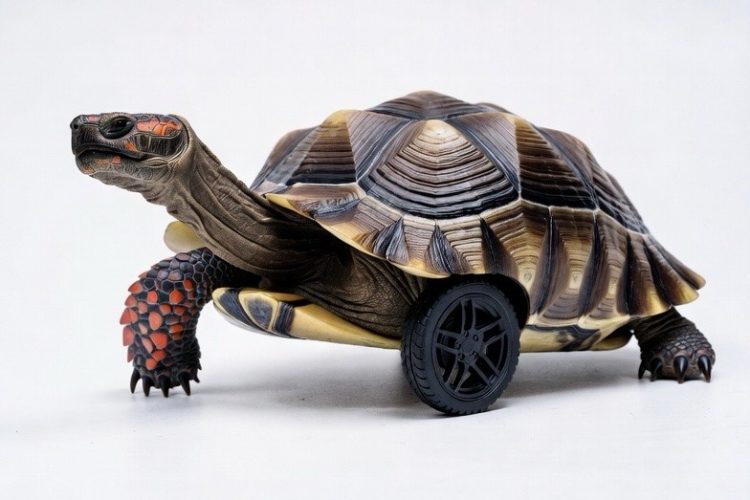
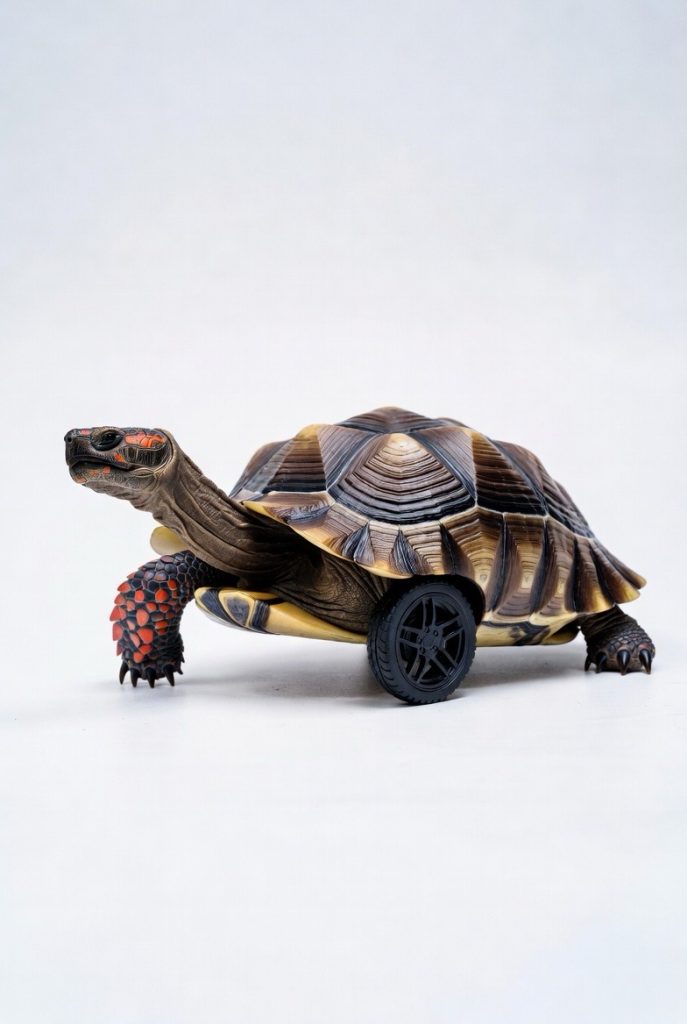
In 2024, Cookie, a 10-year-old male red-footed tortoise, flipped over in his enclosure and got pinned under a log while his owners were away. Red-footed tortoises often struggle to right themselves, and the prolonged pressure damaged blood vessels and nerves in his left front leg, causing necrosis. Veterinarians at DoveLewis Emergency Animal Hospital in Portland, Oregon, amputated the leg to prevent further complications. To help him move again, the team used a 3D printer to create a custom wheel prosthetic that attaches securely to his shell. The lightweight, durable wheel lets Cookie glide smoothly over hardwood, carpet, grass, and dirt, restoring his natural curiosity and activity. This clever solution shows how 3D printing can transform veterinary care for exotic pets, giving animals like Cookie a better quality of life after serious injuries.
Related Questions, Words, Phrases
how did cookie the tortoise get a 3d-printed wheel | what happened to cookie the tortoise before getting a prosthetic wheel | how does a 3d-printed wheel help a tortoise walk | why was cookie the tortoise’s leg amputated | what is a 3d-printed wheel prosthetic for tortoises | how veterinarians use 3d printing for exotic pet prosthetics | guide to 3d-printed prosthetics for injured tortoises | what materials are used in a 3d-printed wheel for tortoises | can 3d printing improve quality of life for reptiles | best examples of 3d-printed prosthetics in veterinary care | how much does a custom 3d-printed wheel for a tortoise cost | step-by-step process of making a 3d-printed wheel for a tortoise | what hospitals offer 3d-printed prosthetics for pets | how long does it take for a tortoise to adapt to a wheel prosthetic


