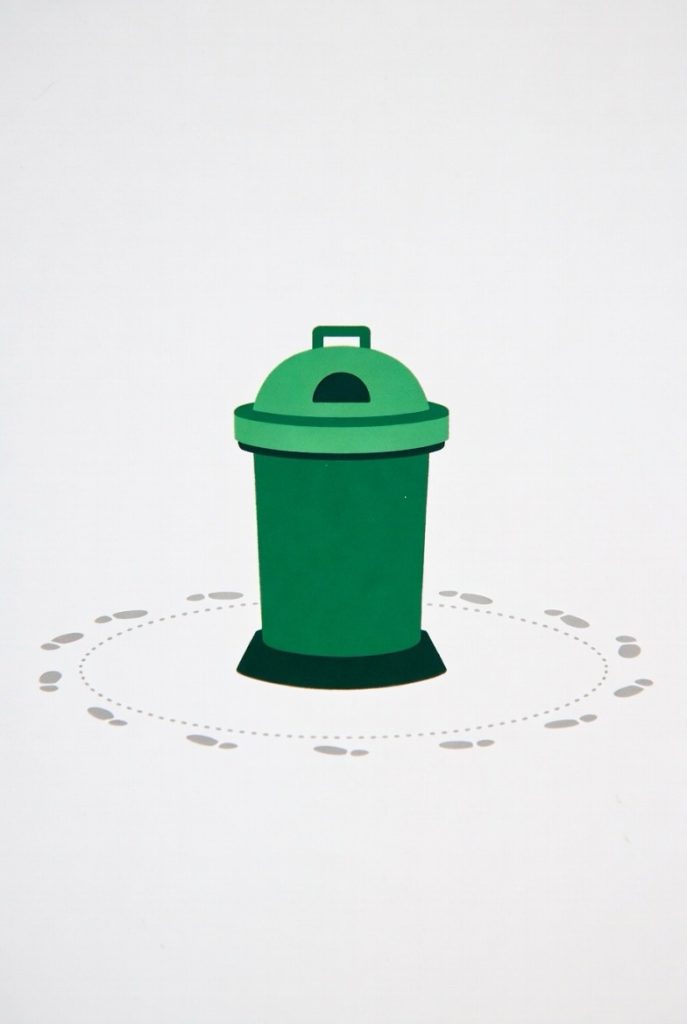
Disney parks like Disneyland and Walt Disney World stay remarkably clean thanks to smart trash can placement and design. Walt Disney observed park visitors and noticed people would walk about 30 steps before littering if no bin was nearby, leading to the famous 30-Step Rule: trash cans every 30 feet or less. This makes disposal easy, preventing litter and keeping the magical atmosphere intact. Cans are themed to match each land, painted in “Go Away Green” to blend in, and labeled “Waste Please” for a friendly touch. Features like door flaps control odors, while recycling bins promote sustainability. Interactive ones, like the retired Push the Talking Trash Can, added fun. Underground systems and modern innovations, such as solar-powered compactors and waste reduction efforts, ensure efficiency and eco-friendliness. Overall, these details reflect Disney’s focus on guest experience and attention to human behavior.
Long Version
Why You Always See a Trash Can at Disney
Disney parks, from the original Disneyland to the expansive Walt Disney World, are renowned for their impeccable cleanliness and meticulous attention to detail. Visitors often marvel at the litter-free environment that enhances the magical atmosphere, but few realize the deliberate strategies behind it. At the heart of this is a foundational principle in park cleanliness: the strategic placement and design of trash cans. These receptacles are far more than simple waste disposal units; they embody innovative thinking in user experience design, reflecting Walt Disney’s deep understanding of human behavior and customer behavior to ensure a seamless guest experience.
The Origins: Walt Disney’s Customer Observation and the 30-Step Rule
The story begins with Walt Disney himself, who revolutionized theme parks and amusement parks through keen observation. In the early days of planning Disneyland, Walt conducted extensive research by visiting other parks. One famous anecdote involves him eating a hot dog while seated on a park bench. He timed how long it took for people to discard their garbage after finishing similar snacks, averaging about 30 steps before they would litter if no receptacle was available. This insight led to the iconic 30-Step Rule, also known as the 30 feet rule or simply 30 steps, mandating that trash cans be placed no more than 30 feet apart throughout Disney parks. This rule ensures guests never have to search far for trash disposal, promoting a clean environment and preventing litter from disrupting the immersive experience.
Walt’s approach was rooted in real-world customer observation, emphasizing that convenience directly influences human behavior. By making waste management effortless, Disney parks maintain their litter-free status, contributing to the overall magical atmosphere that defines the brand. This philosophy extends beyond mere functionality, turning everyday elements like trash cans into an extension of your brand, fostering brand awareness through subtle yet effective design. Modern parks uphold this standard, with locations like Magic Kingdom featuring thousands of receptacles to accommodate high visitor volumes.
Design Features: Blending Functionality with Theme
Disney’s trash cans are not generic; they are themed trash cans meticulously crafted to blend into each land’s aesthetic. For instance, in Adventureland, they feature teal frames, deep red accents, and geometric patterns that tie into the area’s storytelling. To make them less obtrusive, many are painted in “Go Away Green,” a proprietary color designed to camouflage utilities like fences and receptacles, allowing them to fade into the background without detracting from the scenery.
The wording on these iconic trash cans is equally thoughtful. Instead of harsh terms like “trash” or “garbage,” they politely say “Waste Please,” encouraging positive guest interaction. Practical features address common issues: door flaps on the push-style lids hide contents from view and contain odors, while metal mesh elements provide ventilation without compromising hygiene. These innovations in odors control ensure the clean environment remains pleasant, even in high-traffic areas.
Recycling bins are integrated alongside standard trash cans, promoting recycling awareness and protecting the environment. Some feature motivational messages to encourage responsible behavior, aligning with Disney’s commitment to sustainability. This holistic waste management system not only handles waste efficiently but also educates guests on environmental stewardship.
Interactive Elements: Push the Talking Trash Can and Beyond
Adding whimsy to functionality, Disney introduced Push the Talking Trash Can, a radio-controlled robot that made rounds in areas like Tomorrowland in parks such as Disneyland and Magic Kingdom. Equipped with a motion detector and electronic voice, Push would engage guests in conversations, sing, or even propose on behalf of visitors, turning trash disposal into a customized attraction. Though retired from regular appearances in some parks in 2014, Push has made occasional comebacks, including a return to EPCOT in 2022 and a special 20th anniversary version roaming Hong Kong Disneyland in 2025 to celebrate the park’s birthday. These appearances continue to delight fans, exemplifying Disney’s innovative thinking in enhancing guest experience through interactive elements.
Such features highlight how Disney transforms mundane tasks into memorable moments, reinforcing the magical atmosphere while subtly promoting cleanliness.
Park Layout and Operational Integration
The 30-Step Rule integrates seamlessly with Disney’s overall park design, including the hub-and-spoke design pioneered in Disneyland. With a central hub like Cinderella Castle leading to spokes of themed lands, this layout manages crowd flow and ensures even distribution of trash cans, preventing bottlenecks where litter might accumulate.
Queue line design also plays a role; winding paths for attractions incorporate receptacles at key points to maintain park cleanliness during waits. Backstage operations, including utilidors—underground tunnels for cast members—facilitate efficient waste removal, keeping the visible areas pristine. At Magic Kingdom, an automated vacuum tube system whisks trash away at high speeds through underground networks, further streamlining operations and minimizing visible disruptions.
Sustainability and Modern Innovations
In recent years, Disney has advanced its waste management with a focus on environmental sustainability. Initiatives include reducing single-use plastics across parks and resorts, with a goal to eliminate them on cruise ships by 2025. Food waste reduction efforts feature biodigesters at resorts like Vero Beach, which convert inedible scraps into usable resources. At Fort Wilderness, a glass pulverizer transforms recycled bottles into gravel for filling potholes on trails, turning waste into practical materials.
Technological upgrades include solar-powered smart trash cans piloted in EPCOT starting in 2025. These compactors use solar energy to compress waste, allowing cans to hold more before needing emptying, which reduces collection frequency and energy use. Additionally, touch-free sanitary waste disposal systems have been introduced in restrooms, employing motion-sensor technology to minimize contact and enhance hygiene. These efforts align with broader goals, such as cutting emissions and promoting sustainable design, making Disney parks leaders in eco-friendly theme park operations.
Learning the Secrets: Tours and Resources
For deeper insights, the Keys to the Kingdom tour at Magic Kingdom offers a five-hour walking experience exploring these design principles. Participants learn about Walt’s vision, including the 30-Step Rule and utilidors, providing valuable information on how elements like trash cans contribute to the guest experience.
Broader Implications for Business and Branding
Disney’s approach to trash cans offers lessons in innovative thinking for any business. By observing customer behavior and prioritizing convenience, companies can enhance user experience design and maintain a clean, inviting space. This extends to merchandise, where themed items like salt and pepper shakers or decorative bowls inspired by park elements boost brand awareness.
Even in wardrobe purgatory—the backstage area for cast member costumes—attention to detail ensures consistency, much like valet services in resorts that handle waste discreetly. Ultimately, these elements make Disney parks a benchmark for theme parks worldwide, turning waste management into a cornerstone of the magical, litter-free guest experience.