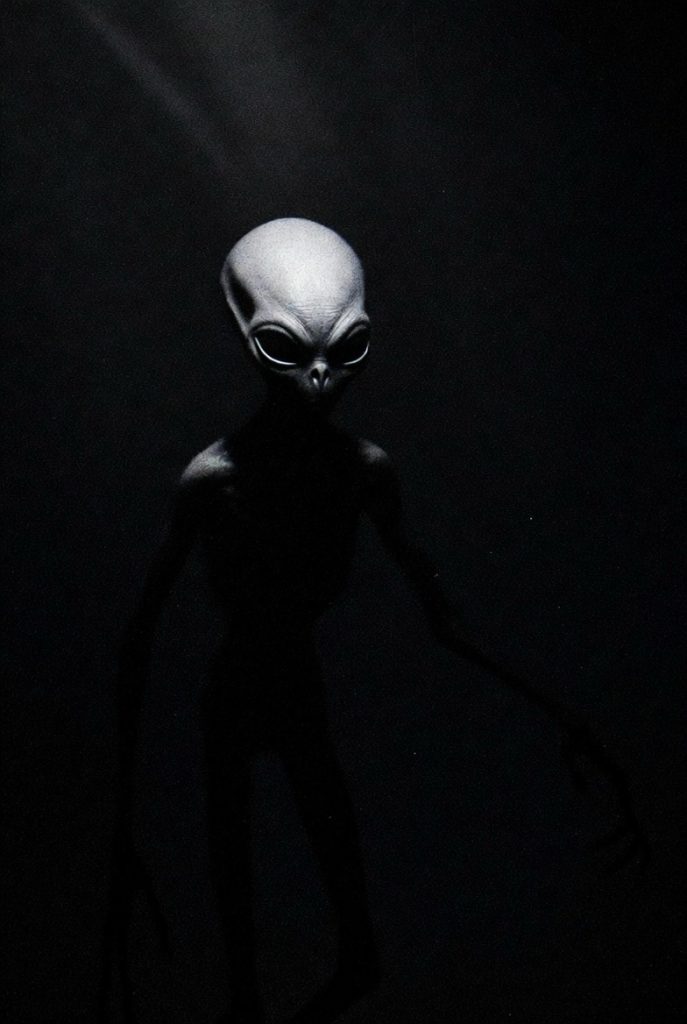
Alien abductions have fascinated and puzzled people for decades, with countless individuals sharing detailed survivor stories of being taken aboard UFOs by non-human entities for medical examinations, often involving missing time and lingering trauma. Iconic cases like Betty and Barney Hill in 1961, Travis Walton in 1975, and the Pascagoula incident reveal consistent patterns—gray beings, telepathic communication, and physical marks—uncovered through hypnosis evidence that helps recall suppressed memories, though experts caution it can sometimes create false recollections or stem from sleep paralysis. Skeptics propose these experiences might be government psyops, potentially tied to MKUltra experiments that explored mind control and disinformation during the Cold War, using alien narratives to mask military tests or manipulate perceptions. As 2026 brings renewed focus on UFO disclosure and UAP reports, the debate persists: genuine extraterrestrial encounters or human-engineered illusions? Ultimately, these accounts highlight profound psychological impacts while encouraging open-minded inquiry into the unknown.
Long Version
Alien Abductions: Real Experiences or Government PsyOps?
Imagine lying in bed, the room suddenly filled with an eerie glow, and shadowy figures appearing out of nowhere. For many, this scenario isn’t fiction—it’s the core of alien abduction claims that have intrigued and terrified people for generations. These stories blend encounters with extraterrestrial life and suspicions of hidden government agendas, raising questions about what’s truly out there. Are these genuine brushes with non-human intelligence, or sophisticated psychological operations meant to test human limits or conceal classified activities? In this comprehensive exploration, we’ll delve into survivor stories, hypnosis evidence, and connections to MKUltra-style experiments, examining every angle to provide a balanced, insightful resource that empowers you to decide.
Alien abductions typically involve reports of UFO sightings escalating into direct contact, where individuals are taken aboard crafts, examined, and returned with hazy memories or physical marks. Skeptics often point to government psyops as an alternative explanation, drawing from historical efforts to manipulate public perception. As we unpack this, we’ll consider the evolution of these claims, personal testimonies, scientific scrutiny, and emerging trends, including the buzz around UFO disclosure in 2026.
The Historical Roots and Patterns of Alien Abduction Narratives
Alien abduction claims didn’t emerge in a vacuum; they built on a foundation of UFO sightings and cultural fascination with the unknown. The phenomenon gained traction in the mid-20th century, amid Cold War paranoia and rapid technological advances. One pivotal case was Antônio Vilas-Boas in 1957, a Brazilian farmer who described being pulled into an egg-shaped craft by humanoid figures in suits. He recounted medical examinations and even a forced intimate encounter with a female entity, leaving him with radiation-like burns and nausea. This predated widespread media coverage, adding to its intrigue as an early, untainted account.
The Betty and Barney Hill case in 1961 amplified the narrative globally. Driving through New Hampshire’s White Mountains, the interracial couple spotted a bright light tailing their car, leading to two hours of missing time. Through hypnosis sessions, they recalled gray-skinned beings with large eyes conducting probes and showing a star map, later linked by some to Zeta Reticuli. Their story, consistent under separate questioning, included physical evidence like scuffed shoes and a torn dress, sparking debates on extraterrestrial encounters versus psychological phenomena.
Subsequent cases reinforced patterns: the Pascagoula abduction in 1973, where fishermen Charles Hickson and Calvin Parker were levitated into a craft by claw-handed entities for examination. Both passed polygraph tests, and their raw fear during initial police interviews lent credibility. Then there’s Travis Walton in 1975, vanished for five days after a beam from a disc struck him in Arizona’s forests. His six coworkers witnessed the event, facing scrutiny but sticking to their accounts. Walton described beings in jumpsuits performing tests, a tale immortalized in media.
The Allagash incident in 1976 involved four men on a Maine camping trip, drawn to a glowing orb before hypnosis revealed abductions and probes. Their matching details, despite separate sessions, highlight recurring themes: non-human entities, medical procedures, telepathic communication, and post-event trauma. These survivor stories span continents and decades, suggesting a consistent phenomenon—or a shared cultural script influenced by media and folklore.
As UAP reports surged, patterns emerged: bedroom abductions at night, implant evidence like unexplained metallic objects, and claims of hybrid children. Yet, these align with psychological explanations too, like sleep paralysis episodes featuring intruder hallucinations.
Survivor Stories: Emotional Depth and Common Threads
Survivor testimonies form the emotional backbone of alien abduction lore, offering raw glimpses into fear, confusion, and sometimes enlightenment. Many describe a sense of paralysis, bright lights, and being floated through walls or windows—a hallmark of close encounters.
Consider the Berkshires UFO incident in 1969, where multiple witnesses in Massachusetts reported a saucer-shaped craft and missing time. One, Thom Reed, recalled being taken aboard with his family, examined in a sterile environment by slender beings. The case gained official recognition with a historical marker, underscoring community-wide impacts.
In more recent narratives, abductees like those in the 1990s report ongoing visits, with messages about environmental dangers or human evolution. A California photographer detailed repeated bedroom abductions, hypnosis uncovering memories of genetic sampling and hybrid offspring. These experiences often lead to profound changes: heightened spirituality, ecological awareness, or debilitating anxiety.
Support groups for alien survivors reveal universal elements—missing time, post-abduction trauma like PTSD symptoms, and a quest for validation. Emotional hooks drive shares: the terror of helplessness, wonder at cosmic connections, and outrage over perceived violations. In 2026, with spikes in UAP congressional hearings, these stories resonate more, tying into broader discussions on non-human biologics and interstellar visitors.
Hypnosis Evidence: A Tool for Truth or Illusion?
Hypnosis evidence plays a dual role in abduction research—unveiling hidden memories while inviting skepticism about reliability. Pioneered by experts like Budd Hopkins and John Mack, regressive hypnosis helps abductees access suppressed details, often revealing craft interiors, alien communications, and procedures.
In the Hill case, hypnosis produced the star map and exam descriptions, consistent across sessions. Similarly, Walton’s sessions detailed his ordeal, matching coworker sightings. Proponents argue the emotional intensity—reliving fear and pain—indicates genuine recall, not fabrication.
However, studies highlight risks: hypnosis can create false memories, especially with leading questions. A 1990s experiment showed participants “recalling” non-existent childhood events under suggestion. Sleep paralysis, affecting up to 40% of people, mimics abductions with vivid hallucinations. Critics note cultural influences—post-1980s claims often feature “gray aliens” popularized by media.
Despite flaws, some cases boast corroboration: radar data aligning with UAP reports or matching scars among unrelated abductees. For therapy, hypnosis aids processing trauma, shifting focus from proof to healing.
Government PsyOps and MKUltra Ties: Unraveling the Conspiracy
Theories linking alien abductions to government psyops suggest these aren’t extraterrestrial but human-engineered deceptions. MKUltra experiments, the CIA’s 1950s-1970s program, tested LSD, hypnosis, and mind control on unwitting subjects, aiming to create programmable individuals or spread disinformation.
Connections emerge: declassified documents reveal UFO sightings used for psychological warfare, like overwhelming radars with false signals. Some abductees report military personnel post-event, fueling MILAB (military abduction) theories—kidnappings disguised as alien encounters via drugs and hypnosis to implant screen memories.
The Montauk Project, an alleged MKUltra offshoot, involved simulated abductions at a New York base. Whistleblowers claim abductions mask interrogations or tech tests, with alien imagery discrediting victims. In 2026, amid predictions of disclosure chaos—like economic disruptions from confirmed non-human intelligence—these ideas gain traction, hinting at preparations for a “black swan” event.
Balanced perspectives acknowledge MKUltra’s real abuses but question blanket application to all abductions. While some UFOs may be drone swarms or experimental craft, anomalies in Pentagon UAP reports resist easy dismissal.
Scientific Scrutiny and Psychological Insights
Scientifically, alien abductions often trace to neurological events. False memory syndrome, amplified by hypnosis, explains detailed narratives without evidence. Implants, when extracted, prove earthly—fibers or debris.
Yet, patterns intrigue: a Harvard study found abductees’ stress responses mirror trauma survivors, validating emotional reality. Radar data and witness corroboration in cases like Pascagoula add layers.
Psychologically, abductions may reflect cultural anxieties—Cold War fears evolving into modern concerns like AI ethics and sustainability. Believers see warnings; skeptics, archetypes from folklore.
Cultural Impact and Modern Developments
Abduction lore permeates culture, inspiring films like “Fire in the Sky” and debates on extraterrestrial life. In 2026, surging whistleblower activity, congressional mandates, and expert predictions of disclosure—potentially involving non-blurry photos or non-human biologics—amplify interest. Ties to underwater UAPs and nuclear site sightings suggest monitoring, while AI tools analyze footage for anomalies.
Seasonal trends, like Halloween spikes in spooky tales, keep discussions evergreen. Gaps in mainstream coverage—detailed hypnosis protocols or state abduction odds—offer avenues for deeper exploration.
Conclusion: Embracing the Mystery
Alien abductions challenge our understanding, weaving survivor stories, hypnosis evidence, and government psyops into a tapestry of intrigue. Whether genuine extraterrestrial encounters or psyop illusions, they highlight human vulnerability and curiosity. As 2026 unfolds with potential UFO disclosure, stay informed and open-minded. If facing unexplained events, professional support can provide clarity. Ultimately, these narratives remind us: the universe is vast, and our place in it, endlessly fascinating.