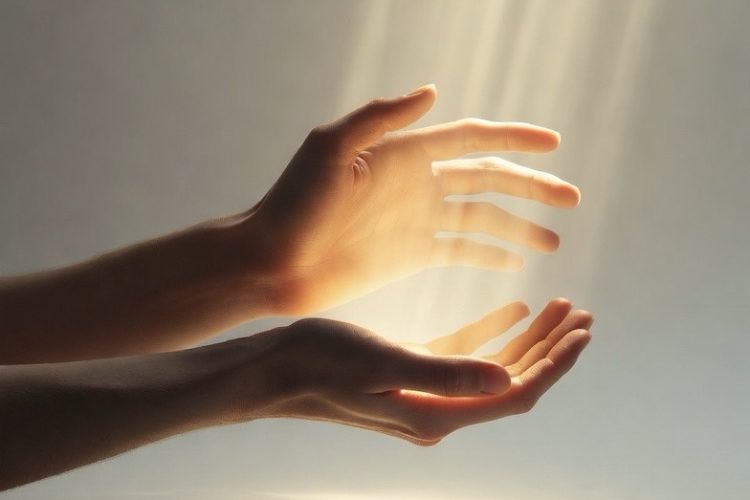
Reiki is a gentle Japanese energy healing practice developed by Mikao Usui in the 1920s, channeling universal life energy—known as ki—to restore balance and support the body’s natural healing abilities. Through light hand placements or distance healing, reiki promotes deep relaxation, reduces stress and anxiety, eases chronic pain, improves sleep, and fosters emotional harmony, serving as a safe, complementary approach alongside conventional care. Training progresses through structured levels with attunements and sacred symbols that amplify energy for self-healing, emotional work, or helping others, including pets and families. Non-religious and ethically grounded, reiki empowers daily self-practice, chakra balancing, and overall wellness without promising cures, making it an accessible tool for anyone seeking greater calm and vitality in modern life.
Long Version
Understanding Reiki: Your Complete Guide to Energy Healing and Wellness
Have you ever wondered if there’s a simple way to tap into your body’s innate ability to heal and find calm amid life’s chaos? Reiki, the Japanese energy healing practice developed in the 1920s, offers just that. By channeling universal life energy—often called “ki”—through gentle hand placements, reiki healing aims to restore balance, ease tension, and support overall well-being. Whether you’re new to holistic therapies or an experienced reiki practitioner exploring deeper layers, this guide covers every essential aspect, from historical roots to practical applications, empowering you to integrate reiki into your life.
In an era where stress and burnout are common, reiki stands as a gentle, non-invasive complement to conventional care. It doesn’t promise miracles but fosters relaxation and self-awareness, potentially enhancing your physical, emotional, and spiritual harmony. Let’s delve into the nuances of this timeless practice, blending tradition with modern insights for a balanced perspective.
The Roots and Evolution of Reiki
Reiki’s story begins with Mikao Usui, a Japanese scholar and spiritual seeker, who founded the practice in 1922 after a transformative 21-day meditation on Mount Kurama. Drawing from ancient Buddhist influences and his studies in energy work, Usui created Usui Reiki Ryoho—a method focused on channeling ki to promote healing. He established clinics in Tokyo, emphasizing ethical principles like kindness and gratitude, which remain core to reiki today.
The practice evolved through key figures: Chujiro Hayashi, a naval officer trained by Usui, refined techniques and opened a clinic, making reiki more structured. Hawayo Takata, a Japanese-American who sought healing from Hayashi in the 1930s, brought reiki to the West, adapting it for broader appeal amid post-World War II sensitivities. This led to diverse lineages, such as Karuna Reiki (compassion-focused) and Holy Fire Reiki (emphasizing purification), while preserving the essence of energy balancing.
Reiki’s global spread highlights its adaptability: it’s now integrated into hospitals for supportive care, yet stays true to its non-religious, spiritual foundation. This evolution underscores reiki’s role as a bridge between Eastern philosophy and Western wellness, appealing to those seeking holistic approaches without dogma.
The Mechanics of Reiki: Blending Energy, Science, and Intention
Reiki healing works on the premise that ki flows through meridians and chakras—energy pathways and centers in the body. Disruptions from stress, trauma, or illness can block this flow, leading to imbalance. A reiki practitioner serves as a facilitator, using hand positions on or above the body to guide ki, encouraging the recipient’s system to self-correct.
Spiritually, reiki fosters connection to universal energy, often evoking sensations like warmth or tingling. For experts, it deepens intuition and aura awareness. Scientifically, while ki isn’t measurable like electricity, research links reiki to physiological benefits. Meta-analyses show it may reduce anxiety by activating the parasympathetic response, lowering cortisol and heart rate. For pain, studies indicate modest relief in conditions like fibromyalgia or post-surgery recovery, though results vary due to subjective reporting and small sample sizes.
Critics attribute effects to placebo, where expectation amplifies relaxation. However, even this underscores reiki’s value as a low-risk tool for stress management. Balanced views suggest combining reiki with medical advice—it’s complementary, not alternative. Always discuss with professionals for integrated care.
Exploring Reiki Benefits: A Holistic Approach to Health
Reiki benefits span multiple dimensions, making it versatile for beginners and experts alike. Here’s a breakdown:
- Stress and Anxiety Relief: Reiki for anxiety promotes deep calm, potentially easing symptoms in daily life or high-stakes situations like exams or work pressures. Sessions often leave users feeling grounded.
- Pain Management Support: For chronic issues, reiki for pain may reduce perceived discomfort by relaxing muscles and shifting focus. Evidence from trials shows benefits in arthritis or migraines, though not as a standalone cure.
- Emotional and Mental Harmony: Addressing grief or low mood, reiki aids emotional release without words, complementing therapy. It’s particularly helpful for reiki for depression, fostering resilience.
- Sleep and Vitality Enhancement: Reiki meditation techniques improve rest by quieting the mind, combating fatigue and boosting energy levels.
- Immune and Overall Wellness Boost: By lowering stress, reiki indirectly supports immunity, with some reports of faster recovery from minor ailments.
Individual experiences vary—factors like session frequency influence outcomes. For vulnerable groups, like those in pregnancy, reiki for pregnancy offers gentle support for nausea or bonding. Always prioritize safety and consult experts.
Reiki Training Levels: Your Path to Mastery
Reiki training progresses through structured levels, each with attunements—energetic initiations that align you with ki.
- Reiki Level 1: For beginners, this focuses on self-healing and basic hand positions. Attunements (traditionally four) open channels, teaching reiki self-healing for daily balance.
- Reiki Level 2: Introduces reiki symbols for amplified energy, enabling reiki distance healing. Three attunements enhance emotional and mental work, ideal for helping others remotely.
- Reiki Level 3 (Master): Advanced for teaching, with one attunement unlocking the master symbol. As a reiki master, you guide attunements, emphasizing ethics like consent and humility.
Reiki certification varies by lineage; seek experienced teachers with clear ethics. Costs range from $150–$600 per level, with online options expanding access. Practice is key—regular sessions build proficiency.
Inside a Reiki Session: What Happens and How to Prepare
A standard reiki session lasts 45–90 minutes in a peaceful space. You’ll remain clothed, lying or sitting comfortably. The practitioner scans energy, then uses hand placements—perhaps on the head for clarity or abdomen for grounding.
Sensations vary: warmth, coolness, or emotional releases. Reiki distance healing mirrors this via intention, effective for global connections. Post-session, hydrate and reflect; mild detox effects like fatigue are temporary.
For specialized needs, animal reiki adapts gently—pets often relax deeply, aiding stress or injury recovery. Sessions for children are shorter, playful, supporting focus or sleep.
Unlocking Reiki Symbols: Sacred Tools for Enhanced Practice
Reiki symbols, introduced in Level 2, focus intention:
- Cho Ku Rei: The power symbol amplifies energy, used for protection or boosting sessions.
- Sei He Ki: For mental/emotional harmony, it aids reiki for emotional healing, releasing patterns.
- Hon Sha Ze Sho Nen: Enables distance work, transcending time for past or future healing.
- Dai Ko Myo: The master symbol connects to divine light, central for attunements.
Experts visualize or draw symbols subtly, enhancing authority without overwhelming beginners.
Building a Daily Reiki Practice: Self-Care Essentials
Incorporate reiki self-healing by scanning chakras morning or night: root for stability, heart for compassion. Combine with reiki meditation—breathe deeply, visualizing ki flow.
Reiki chakra balancing targets imbalances: solar plexus for confidence, throat for expression. This routine cultivates mindfulness, turning reiki into a sustainable habit.
Tailored Reiki Applications: From Pets to Personal Growth
Reiki adapts seamlessly:
- Mental Health Support: Complements counseling for anxiety, promoting clarity without overwhelming.
- Physical Support: Eases reiki for pain or fatigue, potentially aiding recovery.
- Spiritual Development: Enhances reiki intuition, aiding manifestation or forgiveness.
- Family and Animals: Animal reiki calms pets, while reiki for kids fosters emotional regulation. For reiki for pregnancy, it supports maternal well-being and fetal connection.
Modern integrations include workplace reiki for burnout or apps for guided sessions.
Debunking Myths and Upholding Ethics in Reiki
Common misconceptions: Reiki isn’t religious—it’s spiritual and inclusive. It doesn’t harm; any discomfort is temporary release. Anyone can learn; no special gifts required. It’s not a cure-all—view it supportively.
Ethical reiki emphasizes confidentiality, respect, and boundaries: no inappropriate touch, no guarantees of healing. Practitioners maintain integrity, avoiding dependency or false claims. This builds trust, ensuring reiki’s positive impact.
Embracing Reiki: A Journey Toward Harmony
Reiki invites you to rediscover balance through gentle energy work. From reiki benefits like stress relief to becoming a reiki practitioner, it offers tools for lifelong wellness. Approach with curiosity—try a session, explore training, and let ki guide your path to vitality.