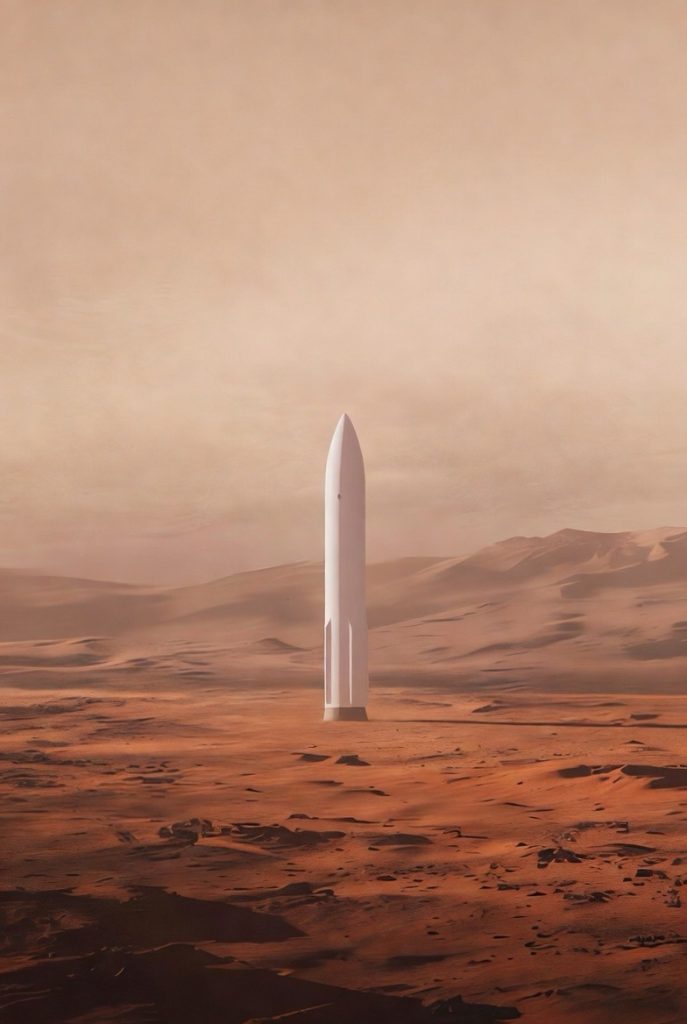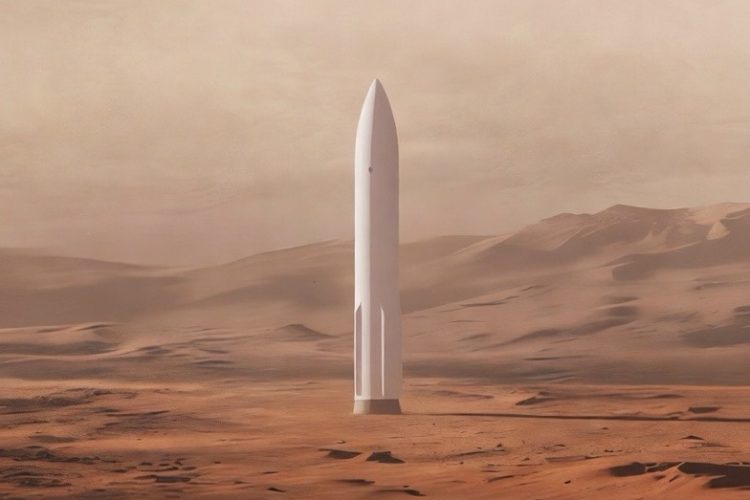
Humanity is edging closer to becoming a multi-planetary species through SpaceX’s ambitious Mars colonization roadmap, centered on the reusable Starship spacecraft. Uncrewed missions are targeted for late 2026 to test landings and deploy initial infrastructure, setting the stage for the first crewed landings around 2029 during optimal Earth-Mars alignment windows. Success depends on overcoming major challenges like intense Mars radiation that threatens health and equipment, severe resource scarcity with no breathable air or liquid water, and extreme logistical hurdles in a harsh, isolated environment. Innovative solutions include underground habitats in natural lava tubes for effective radiation shielding, in-situ resource utilization to produce oxygen, fuel, and water from local materials, and modular, expandable habitat designs for long-term living. Backed by NASA’s Artemis program and global partnerships, this pathway aims to establish truly sustainable settlements on Mars, balancing technological breakthroughs with ethical governance to secure humanity’s future beyond Earth.
Long Version
Mars Colonization Roadmap: Challenges and Timelines
Picture the first human footsteps imprinting the dusty crimson soil of Mars, a moment that shifts humanity from Earth-bound to multi-planetary. This vision, once confined to novels and dreams, is now a structured roadmap driven by relentless innovation. With SpaceX’s Starship spearheading the effort, timelines are crystallizing: uncrewed missions poised for late 2026, setting the stage for crewed arrivals around 2029. Yet, this path demands confronting Mars colonization challenges like unrelenting radiation and stark resource scarcity head-on, through solutions such as advanced underground habitats and in-situ resource utilization. In this comprehensive guide, we’ll navigate the full spectrum—from evolving timelines and core obstacles to cutting-edge strategies and broader implications—equipping you with actionable insights to grasp what it truly means to build sustainable settlements on Mars.
The Refined Timeline for Mars Colonization
Mars missions hinge on Earth-Mars orbital alignments, syncing every 26 months to optimize fuel efficiency and shorten transit times to about six months. These windows shape the Mars colonization timeline, transforming ambitious goals into phased, achievable steps.
SpaceX’s Mars mission timeline centers on Starship, a reusable powerhouse capable of ferrying massive payloads. As of early 2026, preparations intensify for the first uncrewed Starship Mars flights in late 2026, leveraging the December launch window. These pioneers will test precision landings, deploy robotic scouts, and validate life-support prototypes, potentially including Tesla’s Optimus humanoid robots for initial site assessments and construction tasks. Success here could accelerate crewed missions to 2029, aligning with the next optimal window in early that year.
Complementing SpaceX, NASA’s Moon to Mars architecture treats the lunar surface as a proving ground. Artemis missions, with Artemis II’s crewed lunar orbit targeted for mid-2026, refine technologies like orbital refueling and habitat modules transferable to Mars. International partnerships, including contributions from the European Space Agency on propulsion and Japan’s expertise in robotics, broaden the effort. Long-term, the 2030s envision expanding bases into self-sustaining communities, potentially supporting hundreds by 2040 through iterative expansions.
This timeline’s feasibility stems from breakthroughs in reusability and rapid prototyping. Starship’s ability to refuel in orbit and return vehicles intact drastically reduces costs, enabling frequent missions. However, variables like regulatory hurdles, technical refinements from ongoing tests, and geopolitical factors could adjust dates. Optimism prevails, as each milestone—from in-orbit demos to lunar rehearsals—builds cumulative expertise, making human Mars landings not a question of if, but when.
Core Challenges of Colonizing Mars
Establishing a foothold on Mars requires grappling with an environment engineered for extremes. The challenges of colonizing Mars span physical, biological, and operational domains, each demanding multifaceted responses to ensure viability.
Mars Radiation: A Pervasive Hazard
Mars radiation protection remains a top priority, as the planet’s lack of a global magnetic field and thin atmosphere exposes surfaces to galactic cosmic rays and solar energetic particles. Annual doses could reach 700 millisieverts—hundreds of times Earth’s levels—risking acute effects like nausea during flares and chronic issues such as cancer or cognitive decline. Transit phases amplify this, with crews vulnerable for months without natural shielding.
Beyond health, radiation degrades solar panels, electronics, and structural integrity, complicating long-term operations. Dust storms, lasting weeks, can exacerbate exposure by scattering particles. Recent assessments suggest a two-year mission might add only a modest 4% lifetime cancer risk, but variability in solar activity demands robust safeguards. Ignoring this could compromise mission success, highlighting why Mars radiation solutions are integral to any roadmap.
Resource Scarcity: The Foundation of Survival
Resource scarcity on Mars defines self-reliance needs. The atmosphere, 95% carbon dioxide, offers no breathable oxygen, while surface water is locked in polar ice or subsurface permafrost. Soil, laden with perchlorates, is toxic to plants and humans, and low gravity—38% of Earth’s—may cause physiological adaptations like fluid shifts or bone density loss, though studies continue to quantify impacts.
Energy demands soar for heating, lighting, and processing, yet solar power wanes during global dust events that halve output. Isolation, with communication delays up to 20 minutes and resupplies taking half a year, heightens risks of supply chain failures. Psychological tolls, including confinement in tight quarters and separation from Earth, could foster stress or interpersonal strains, underscoring the need for holistic support systems.
Logistical and Technological Barriers
Logistics involve mastering entry, descent, and landing for heavy loads in Mars’ sparse air, where supersonic retropropulsion is key but unproven at scale. Building infrastructure requires transporting or fabricating everything from power grids to medical facilities amid temperatures plunging to -195°F at night. Scalability poses another layer: transitioning from outposts to cities demands exponential growth in capabilities, all while mitigating dust abrasion on seals and suits.
These intertwined challenges necessitate integrated planning. Overlooking interconnections—like how radiation affects resource extraction tech—could cascade into setbacks, emphasizing a resilient, adaptive approach in the Mars colonization roadmap.
Advanced Solutions for Sustainable Settlements on Mars
Innovation turns Mars’ harshness into opportunities. Solutions for colonizing Mars evolve from analog tests on Earth and lunar precursors, focusing on protection, resource harvesting, and habitat design to foster enduring human presence.
Countering Mars Radiation with Layered Defenses
How will we protect against radiation on Mars? Strategies blend passive and active measures. Underground habitats in lava tubes provide meters-thick natural barriers, shielding up to 99% of rays while maintaining even temperatures around -4°F. Surface structures might incorporate regolith berms or 3D-printed domes infused with hydrogen-rich polymers, proven in recent orbital tests to block particles effectively.
For transit, spacecraft feature storm shelters with water-lined walls or polyethylene shielding, doubling as resource storage. Emerging biological countermeasures include synthetic antioxidants like CDDO-EA, which mitigate cognitive damage from simulated cosmic exposure in lab models. Space weather monitoring, enhanced by NASA’s networks, enables predictive alerts for flares. These combined tactics not only safeguard health but extend mission durations, critical for establishing sustainable settlements on Mars.
Harnessing In-Situ Resource Utilization for Self-Sufficiency
In-situ resource utilization (ISRU) revolutionizes dependency by turning Martian assets into essentials. Atmospheric processors, like MOXIE’s successor tech, convert CO2 into oxygen at rates supporting crews of four. Water mining from subsurface ice via microwave heating or robotic drills yields hydration, fuel, and radiation shielding. Recent discoveries suggest extremophile microbes from Earth could bio-mine resources, enhancing extraction efficiency in low-gravity settings.
Fuel production via the Sabatier reaction mixes CO2 with hydrogen to create methane propellant, enabling return flights and powering habitats. Regolith processing sinters soil into bricks or extracts metals for tools, reducing launch mass by 80%. Solar arrays, backed by compact nuclear fission reactors for baseload power, ensure reliability. ISRU’s lunar trials by 2026 will refine these for Mars, promoting a closed-loop economy where waste becomes input, slashing resupply needs and boosting autonomy.
Designing Robust Mars Habitats for Human Thriving
Mars habitat designs prioritize modularity and resilience. Inflatable modules expand from compact payloads into spacious living areas, incorporating hydroponic gardens for fresh food and air regeneration. New concepts from NASA integrate AI-driven environmental controls to optimize lighting and humidity, countering low-gravity effects with exercise regimes and centrifugal simulators.
Robotic precursors, including humanoid units like Optimus, could pre-build sites, assembling solar farms or excavating shelters. Bioregenerative systems use algae and plants to recycle air and water, while psychological features—like expansive virtual reality vistas—alleviate isolation. Analog simulations in Arctic or desert environments validate durability, ensuring habitats evolve from survival pods to vibrant communities.
These solutions, tested iteratively, bridge gaps between challenges and feasibility, laying groundwork for scalable expansion.
SpaceX’s Starship: Enabling the Mars Mission Backbone
Starship Mars capabilities define the transport paradigm. This 400-foot behemoth, with thrust exceeding Saturn V, hauls 100+ tons per flight, facilitating bulk deliveries of habitats and rovers. Recent booster catch successes promise turnaround times under hours, targeting dozens of launches per window.
Orbital refueling, slated for full demos in 2026, multiplies range for Mars transfers. Methane engines align perfectly with ISRU, allowing on-planet propellant production. Integrated systems like life support and heat shields, honed through suborbital hops, ensure reliability. While challenges like vibration management persist, Starship’s design philosophy—fail fast, iterate—accelerates toward operational fleets, making mass migration conceivable.
Broader Implications: Ethical and Societal Dimensions
Mars colonization extends beyond engineering to profound societal shifts. Ethically, it prompts debates: Does pursuing the Red Planet divert resources from Earth’s crises like climate change? Critics argue yes, potentially exacerbating inequalities, while proponents highlight spin-offs—advanced renewables or biotech—that address terrestrial needs.
Governance frameworks, building on the Outer Space Treaty, must define resource rights and planetary protection to avoid contamination of potential Martian life. Inclusivity demands diverse crews, representing global demographics to foster equitable participation. Economically, it could ignite a new era of innovation, creating jobs in aerospace and related fields.
Balancing risks with benefits, this endeavor promotes humanity’s resilience, offering a backup against existential threats while inspiring collective progress. Neutral perspectives emphasize measured advancement, ensuring ethical integrity guides every step.
Forging Ahead: Key Takeaways for the Future
The Mars colonization roadmap weaves ambition with pragmatism, from uncrewed Starship Mars ventures in late 2026 to crewed milestones by 2029 and beyond. Challenges like Mars radiation and resource scarcity yield to solutions including underground habitats, in-situ resource utilization, and robotic aids, paving the way for sustainable settlements.
This journey redefines possibility, blending technological prowess with ethical foresight to secure humanity’s interstellar legacy. As innovations unfold, Mars transitions from distant world to accessible frontier, inviting us to embrace the unknown with informed resolve.