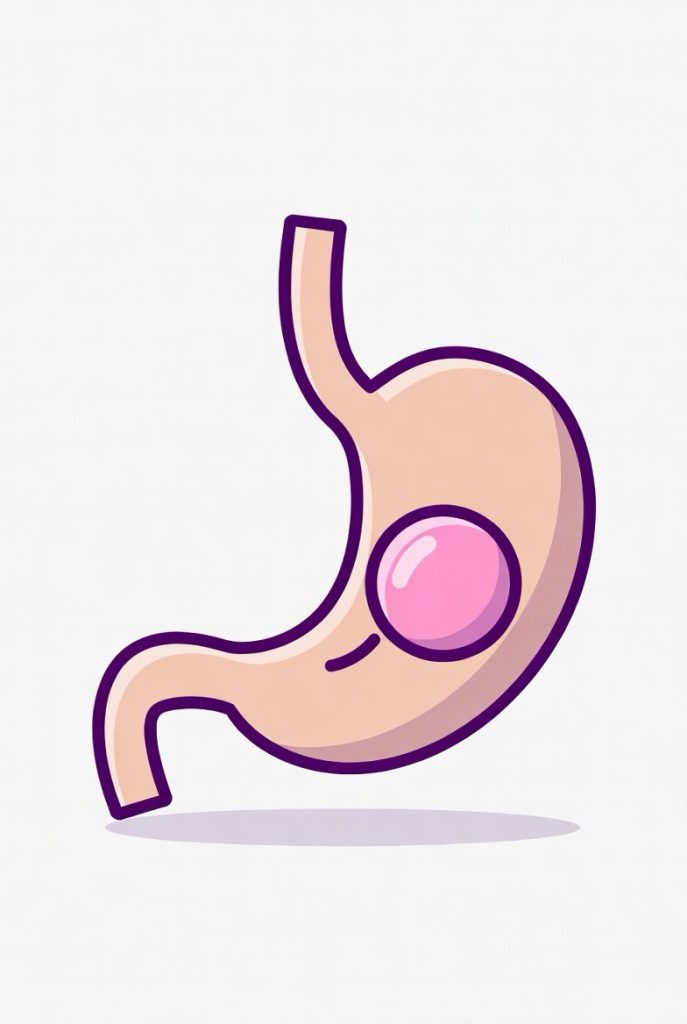
Swallowing gum is mostly harmless, despite the myth that it stays in your stomach for seven years. Chewing gum contains an indigestible gum base, but it doesn’t stick to your organs or build up over time. Instead, it moves through the digestive system and exits in stool within a few days, much like seeds or other indigestible materials. Swallowing gum occasionally is safe for most people. Problems are rare and usually only occur if large amounts are swallowed frequently, which could contribute to constipation or, in extreme cases, intestinal blockage. Sugar-free gum may cause stomach upset or diarrhea if consumed in excess due to artificial sweeteners. The main risk is choking, especially for young children. Overall, moderation and proper chewing habits are key, and there’s no need to worry about accidental swallowing.
Long Version
Is Swallowing Gum Bad? Debunking the Myths and Uncovering the Facts
Swallowing gum is a common occurrence, especially among children who might accidentally ingest it while chewing. The age-old myth that swallowed gum stays in your stomach for seven years has persisted as folklore and an urban legend, often used by parents to discourage the habit. But is swallowing gum truly harmful, or is it largely harmless? This article delves into the science behind gum, its interaction with the digestive system, potential health risks, and the facts that separate myth from reality. We’ll explore the composition, physiological effects, and practical advice to provide a thorough understanding.
The Composition of Chewing Gum: What Makes It Unique
Chewing gum consists of several key components that contribute to its texture, taste, and longevity. At its core is the gum base, which is indigestible and provides the chewy consistency. This base can include synthetic resins like styrene-butadiene rubber (SBR) or natural tree resin, making it resistant to breakdown in the body. Other ingredients include artificial sweeteners in sugar-free varieties, preservatives to maintain freshness, and flavorings that enhance the overall experience.
Unlike digestible foods, the gum base acts somewhat like roughage or fiber-like material, passing through the digestive tract largely unchanged. While the body can break down sugars, sweeteners, and some additives, the core resin remains undigested, leading to questions about its impact on digestion and bowel movements. Modern gum formulations have evolved from ancient tree resins used by civilizations like the Maya and Greeks, who chewed sap for oral health benefits, to today’s synthetic blends designed for longer-lasting chew.
What Happens When You Swallow Gum: The Journey Through the Digestive System
When you swallow a piece of gum, it enters the stomach just like any other food. However, unlike digestible items, the gum base isn’t broken down by stomach acids or enzymes. Instead, it moves through the digestive system intact, typically exiting the body within a few days via stool. This process mirrors how the body handles other indigestible substances, such as seeds or nuts, which are excreted without causing harm.
The digestive tract propels the wad forward through peristalsis, the wave-like muscle contractions that facilitate bowel movements. In most cases, swallowed gum is harmless and doesn’t linger in the stomach or cause intestinal problems. It passes through slower than typical foodstuffs but eventually makes its way out, debunking the seven-year myth entirely. The body treats it as undigested material, similar to dietary fiber, and it doesn’t accumulate unless consumed in excessive amounts. To further clarify, the myth likely originated from misunderstandings about digestion, amplified by parental warnings, but anatomical studies show the digestive system efficiently clears such items in healthy individuals.
Potential Health Risks: When Swallowing Gum Might Pose Problems
While occasional swallowing is generally safe, there are scenarios where it could lead to issues. For instance, if a large amount—sometimes referred to as a mega-wad—is swallowed, it might contribute to intestinal blockage or constipation, particularly in individuals with pre-existing digestive conditions. In rare cases, repeated swallowing could result in blockages or bezoar formation, a mass that obstructs the digestive tract. Symptoms might include abdominal pain, bloating, or irregular bowel movements, though these are uncommon.
Sugar-free gum, which often contains artificial sweeteners like sorbitol or xylitol, can cause additional concerns if ingested in large quantities. These sweeteners are not fully absorbed and may lead to nausea, diarrhea, or even headaches due to their laxative effects. However, this is more likely from chewing and swallowing excessive amounts rather than a single piece. Additionally, preservatives and flavorings, while safe in small doses, could theoretically irritate sensitive stomachs if overconsumed.
Another risk to consider is the choking hazard, especially for young children. Gum’s sticky texture can make it a potential obstruction in the airway if not chewed properly before swallowing. Parents should monitor chewing habits to prevent such incidents. Beyond physical risks, excessive gum chewing (and potential swallowing) might indirectly affect dental health if it replaces proper oral hygiene, though sugar-free options can actually promote saliva production for cavity prevention.
Special Considerations for Children and Vulnerable Groups
Children are particularly prone to swallowing gum due to curiosity or accident, raising parental concerns about long-term health effects. Rest assured, a single swallowed piece won’t harm their developing digestive system or body. However, frequent ingestion could exacerbate risks like constipation or intestinal blockage in smaller bodies. Educating kids on proper chewing and disposal is key to avoiding these rare complications. For very young children under four, gum is often not recommended due to choking risks.
For those with gastrointestinal disorders, such as irritable bowel syndrome or Crohn’s disease, swallowed gum might aggravate symptoms like irregular bowel movements or discomfort. In such cases, it’s advisable to avoid swallowing and consult a healthcare professional if problems arise. Elderly individuals or those with motility issues may also experience slower excretion, potentially leading to temporary discomfort. Overall, vulnerable groups should opt for gum alternatives like mints or focus on moderation.
Broader Health Implications and Alternatives
Beyond the act of swallowing, chewing gum itself offers some benefits, such as stress relief, improved concentration, and fresh breath. However, if concerns about swallowing persist, consider spit-friendly habits or alternatives like biodegradable gums made from natural resins, which may break down more easily if ingested. Some brands now emphasize eco-friendly, digestible bases to address both health and environmental worries.
In terms of prevention, simple strategies include chewing smaller pieces, avoiding gum during meals to reduce accidental swallowing, and teaching awareness of body signals. If symptoms like persistent nausea, diarrhea, or blockages occur after swallowing, seek medical advice promptly, as these could indicate underlying issues rather than the gum itself.
Conclusion: Facts Over Fear
In summary, the notion that swallowing gum is inherently bad is more myth than fact. While the gum base remains indigestible and passes through the digestive system as undigested material, it poses minimal risks for most people. Occasional incidents are harmless, but moderation is essential to prevent potential issues like blockages, constipation, or side effects from artificial sweeteners and preservatives. By understanding the science behind gum—from its resin components to its excretion—you can chew with confidence, knowing your body handles it efficiently. Always prioritize safe habits, especially around children, to maintain optimal health. Embracing facts over folklore empowers informed choices for better well-being.