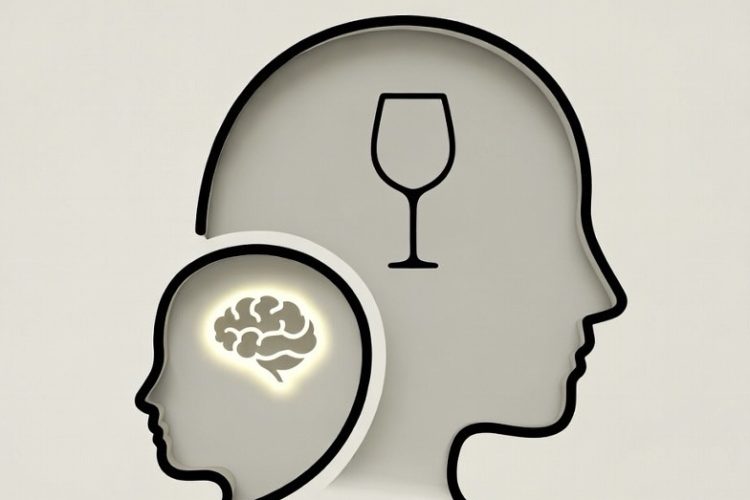
Research shows a moderate link between higher childhood intelligence (measured by IQ tests assessing verbal reasoning, spatial, and mathematical skills) and more frequent or heavier alcohol use in adulthood, especially among educated professionals. Longitudinal studies of large cohorts reveal that smarter kids often grow into adults who drink moderately or heavily rather than abstain, with greater frequency and quantity of alcohol consumption, but fewer binge-drinking episodes and alcohol-induced hangovers. This pattern holds after adjusting for factors like parental income, education level, occupational class, and sex differences—men tend to drink more heavily overall. Explanations include socioeconomic advantages (higher earners face more social drinking norms) and the idea that alcohol is an evolutionarily novel behavior that intelligent people adapt to more readily. Importantly, while higher IQ predicts regular drinking, it also protects against alcohol use disorder and excessive problems. The association is consistent but not universal, highlighting complex influences on lifelong drinking patterns and health risks.
Long Version
The Link Between Childhood Intelligence and Adult Alcohol Consumption: A Comprehensive Review
Higher childhood intelligence has long intrigued researchers due to its associations with various adult behaviors, including alcohol consumption. Numerous longitudinal studies reveal a consistent, albeit moderate and not universal, link: individuals with elevated cognitive ability in youth often exhibit more frequent or heavier alcohol use in adulthood, particularly among educated or professional groups. This connection, explored through cohort and prospective studies, underscores how early mental ability can influence predictors of drinking patterns over the life course. While not deterministic, understanding this relationship offers valuable insights into socioeconomic position, demographic variables, and long-term health impacts.
Key Findings from Longitudinal Research
Longitudinal studies provide robust evidence for the association between childhood intelligence—often measured via IQ tests assessing verbal reasoning, spatial intelligence, and mathematical intelligence—and adult alcohol consumption. One prominent example tracked high school seniors born around 1939, using a test of mental ability to gauge high school IQ. Researchers found that for every one-point increase in IQ, there was a higher likelihood of moderate or heavy drinking compared to alcohol abstinence in midlife. Moderate drinking was defined as 1–29 drinks per month for women and 1–59 for men, while heavy drinking exceeded these thresholds. Interestingly, higher IQ correlated with fewer binge-drinking episodes, suggesting a preference for regular rather than hazardous drinking.
Similarly, a national child development study involving children born in 1958 demonstrated a monotonic association between childhood intelligence, categorized into cognitive classes such as very dull to very bright, and both frequency of alcohol consumption and quantity of alcohol consumption in adulthood. Very bright individuals consumed more frequently than their counterparts, based on self-reported alcohol consumption data from their 20s to 40s. This study employed latent factor analysis to integrate multiple indicators of drinking behavior, highlighting how teen IQ predicts not just initiation but sustained patterns.
Another national longitudinal study of adolescent health showed that higher cognitive ability during junior high or high school is linked to increased binge drinking and instances of getting drunk several years later. In a cohort of young men, intelligence scores from conscription were associated with more frequent drinking in the late 20s, though not with intoxication frequency or alcohol use disorder as measured by screening tools. Multiple regression analyses in these studies often adjust for confounders like parental income and occupational social class, revealing that the link persists but is partially mediated by adult factors.
A prospective study examining participants from the 1950s found that higher IQ at age 11, focusing on verbal reasoning, was related to a lower prevalence of alcohol-induced hangovers in middle age. The odds ratio per one standard deviation advantage in IQ was favorable, with attenuation after controlling for life course socioeconomic position, including education level and household income. This suggests that while smarter individuals may engage in more alcohol use, they experience fewer hangovers, possibly due to better management of excessive drinking.
Recent research from 2024 reinforces these patterns, analyzing high school IQ and midlife drinking habits in a large cohort of predominantly white participants born in the late 1930s. Higher IQ predicted a greater chance of moderate or heavy drinking but fewer binge episodes, with household income serving as a partial mediator. Men were more prone to heavier patterns and binge drinking than women, and urban upbringing indicators like larger high school classes correlated with increased consumption.
A major 2025 study of over 570,000 males tracked for an average of 60 years further distinguishes between consumption and disorder. Low teenage IQ at age 18 was associated with a 43% higher lifetime risk of alcohol use disorder compared to medium IQ, while high IQ reduced the risk by 40%. This nonlinear effect was strongest at the lower IQ end, persisting after adjustments for parental substance use, psychiatric conditions, socioeconomic status, and birth year. Genetic analyses supported a causal link, with lower cognitive performance increasing disorder vulnerability. An independent cohort confirmed that higher cognitive genetic scores decreased disorder odds. These findings highlight that while higher intelligence may lead to more regular drinking, it protects against problematic outcomes like disorder.
Explanatory Mechanisms: Why the Association Exists
Several theories explain this counterintuitive link. One prominent perspective is the concept of evolutionarily novel behavior. Alcohol consumption, particularly of fermented alcoholic beverages like beer and wine, is relatively recent in human history. Ethanol arises naturally from frugivory—animals consuming overripe fruits with low alcohol concentrations—but intentional fermentation and distillation, yielding higher ethanol levels in beverages, emerged around 10,000 years ago with agriculture. As an evolutionarily novel activity, more intelligent people, adept at adapting to new stimuli, are hypothesized to engage in it more readily. This is supported by mediation analyses showing that intelligence drives preferences for such behaviors independently of health outcomes.
Socioeconomic factors also play a crucial role. Higher childhood intelligence often leads to better education level, stressful jobs, and higher income levels among high earners, fostering social drinking norms in professional environments. For instance, household income partially mediates the IQ-alcohol link, as greater affluence provides access to alcoholic beverages and occasions for moderate drinking. Occupational social class and life course socioeconomic position further amplify this, with individuals in higher strata reporting more frequent alcohol consumption due to networking and leisure opportunities.
Sex differences add nuance: men typically report higher rates of heavy drinking and binge-drinking episodes than women, though the IQ association holds across genders. Demographic variables, such as urban versus rural upbringing proxied by high school class size, also influence outcomes, with larger classes linked to heavier patterns.
Age dependencies emerge in some analyses, with the intelligence-drinking frequency relationship varying over time. In younger adults, higher intelligence may correlate with average frequency and fewer adverse consequences, but in later stages, it ties to more frequent intoxication without increased problems. Cross-national variations further enrich understanding; in equitable societies, sociocultural factors may buffer risks for lower IQ individuals, while stratified systems amplify them. Other childhood predictors, like abuse or religious attendance, interact with intelligence, but cognitive ability remains a distinct factor.
Health Implications and Risks
While the link is moderate, it carries implications for long-term health impacts. Higher intelligence may protect against some hazards, like fewer alcohol-induced hangovers or hazardous drinking, but increased frequency of alcohol consumption and quantity can elevate risks for alcohol use disorder, excessive drinking, and related conditions. Studies indicate potential ties to liver disease, cardiovascular mortality, alcohol-related mortality, and all-cause mortality, particularly if drinking escalates beyond moderate levels.
Reduced hangovers among high-IQ individuals might stem from better adherence to health advice, mitigating some risks. However, in broader cohorts, elevated adult alcohol consumption correlates with adverse consequences, though intelligence often moderates these favorably, reducing disorder likelihood. Genetic evidence underscores causality, suggesting early cognitive enhancement could prevent problematic patterns. Policymakers should consider these predictors of drinking patterns when designing interventions, emphasizing skills captured by IQ tests—like mental ability—to promote safer behaviors. Educational support, family programs, and social systems can address vulnerabilities, especially for those with lower cognitive scores.
Conclusion
The association between childhood intelligence and adult alcohol consumption is well-documented across diverse studies, spanning decades and geographies. While higher IQ predicts more moderate or heavy drinking—driven by evolutionarily novel behavior, socioeconomic advantages, and social norms—it also correlates with lower binge drinking, hangovers, and disorder risk. This moderate link, influenced by education level, income, sex differences, and age, highlights the complex interplay of factors shaping drinking patterns. Distinguishing between consumption frequency and adverse outcomes clarifies that intelligence fosters controlled engagement rather than universal harm. Ultimately, these insights reinforce that intelligence is just one piece of the puzzle, not a universal determinant, and underscore the importance of balanced approaches to alcohol use for mitigating long-term health impacts.