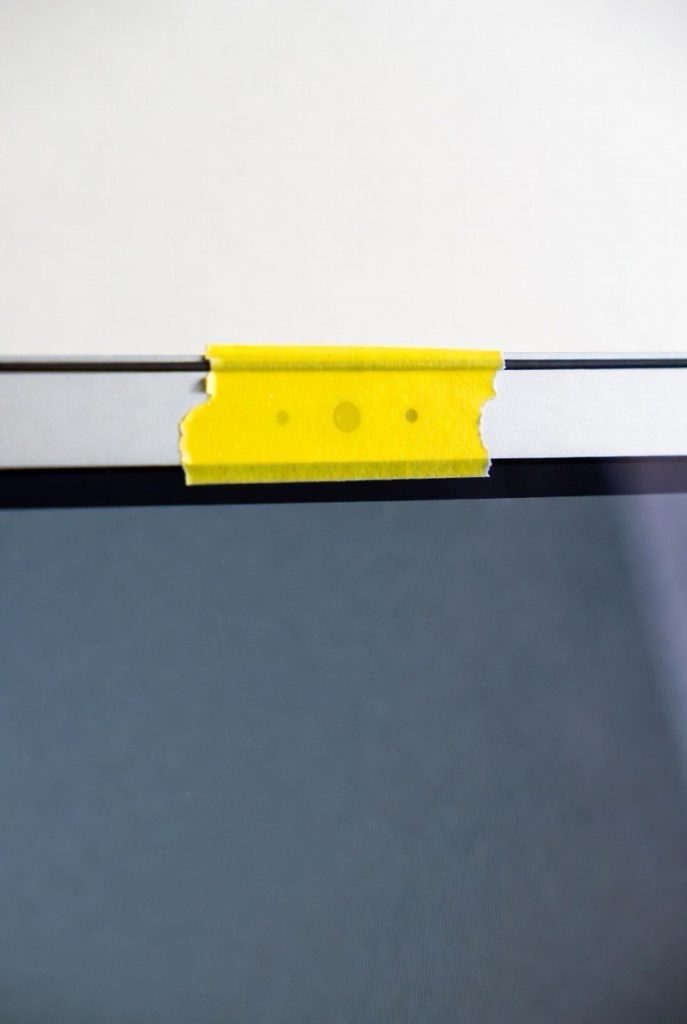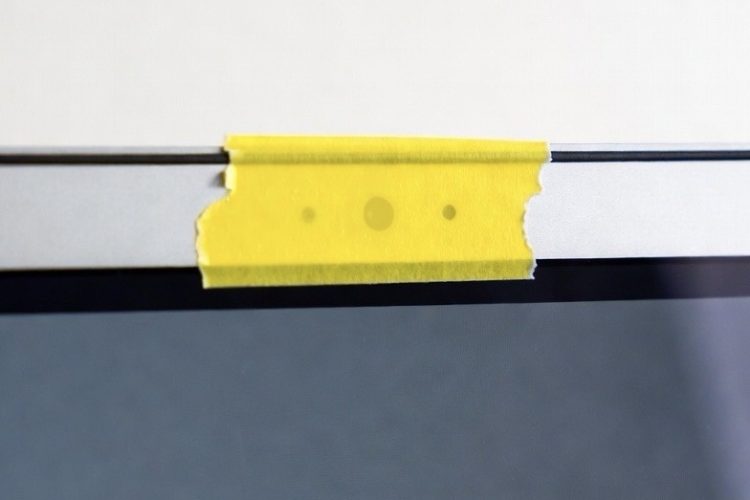
In an era of escalating cyber threats and AI-driven surveillance in 2026, covering device cameras with tape remains one of the simplest and most effective ways to protect your privacy and security. This low-tech solution creates an unbreakable physical barrier against webcam hacking, where malware can silently activate cameras on laptops, phones, and smart devices to capture private moments for blackmail, espionage, or data breaches—risks highlighted by major 2025 incidents and long-standing FBI recommendations. Unlike software defenses that hackers can bypass, tape is inexpensive, easy to apply without damaging devices, and fully reversible for video calls, making it a favorite even among tech leaders like Mark Zuckerberg. It works seamlessly across laptops, smartphones, smart TVs, and IoT gadgets, with alternatives like sliding covers offering convenience but often at higher cost or less reliability. By combining tape with good digital habits, you gain reliable camera privacy and genuine peace of mind in a connected world.
Long Version
Why It’s Best to Cover Device Cameras with Tape for Privacy and Security
In a digital landscape where our devices capture every moment, the humble act of applying tape over a camera lens emerges as a powerful shield against unseen threats. Picture this: In 2025, a wave of cyberattacks compromised millions of records, including visual data from hacked webcams in healthcare and supply chain sectors, exposing private lives to cybercriminals. As we step into 2026, with AI-powered surveillance tools enabling more sophisticated intrusions, this straightforward tactic isn’t just prudent—it’s essential for reclaiming your visual privacy. Covering device cameras with tape offers an unbreakable physical barrier that software alone can’t guarantee, blending simplicity with effectiveness in an age of escalating risks.
This comprehensive guide positions itself as your go-to resource for understanding and implementing camera privacy strategies. We’ll delve into the evolving threats, the unparalleled advantages of tape as a webcam cover, step-by-step application across devices, alternatives with their trade-offs, debunking myths, and forward-looking insights. Whether you’re a beginner navigating basic device camera security or an expert fortifying smart home setups, these insights provide actionable steps to enhance your protection without overwhelming complexity. Let’s empower you to stay ahead in a world where privacy is no longer a given.
Understanding the Evolving Landscape of Webcam Hacking Risks
The vulnerability of device cameras stems from a confluence of technological advancements and persistent cyber threats, making proactive measures like covering your webcam indispensable. Webcam hacking often occurs via malware such as remote access trojans, which infiltrate systems through deceptive emails, unpatched software, or compromised apps, granting attackers covert control over your camera feed.
Recent years have seen a surge in such incidents. In 2025, notable breaches included widespread attacks on universities and global brands, where hackers exploited IoT vulnerabilities to access cameras, leading to data leaks affecting billions of records collectively. For example, supply chain disruptions from cyberattacks not only halted operations but also exposed surveillance footage, highlighting how interconnected devices amplify risks. Earlier events, like the 2024 Kyiv webcam hacks by foreign agents to scout defenses, foreshadowed this trend, but 2025’s escalation—fueled by a 15% annual rise in global cybercrime costs—brought it to households worldwide.
Motivations for these intrusions range from personal extortion, where hackers capture intimate moments for blackmail, to corporate spying or even geopolitical reconnaissance. Casual hackers, empowered by accessible tools, add to the mix, targeting anyone from remote workers to families. The FBI has consistently emphasized these dangers, recommending physical covers as a fundamental safeguard since as early as 2016, a stance that remains relevant amid ongoing threats.
Compounding this, 2026 trends in AI surveillance introduce new dimensions. AI algorithms now automate attack scaling, blurring lines between benign monitoring and invasive spying. For instance, AI-native tools in video analytics enhance detection but also lower barriers for malicious actors to process hacked feeds for identity theft or behavioral profiling. Hybrid work models, with devices hopping between networks, further expose laptop camera covers to risks. Software defenses, while crucial, fall short—hackers can mute alerts or override permissions—underscoring why a physical camera blocker like tape provides that critical, unbreachable layer.
The Compelling Advantages of Tape as a Privacy Shield
Opting for tape to cover your webcam with tape transcends mere convenience; it embodies a strategic choice for robust, low-maintenance protection. This method’s appeal lies in its foolproof nature: By physically obstructing the lens, it nullifies any digital compromise, ensuring no visual data escapes even if malware lurks.
Accessibility tops the list of benefits. Unlike specialized gadgets, tape is inexpensive, readily available, and requires no installation expertise—perfect for beginners seeking immediate webcam privacy. Tech leaders like Mark Zuckerberg have popularized this by taping their own devices, demonstrating its efficacy across expertise levels. In budget-conscious scenarios, it aligns with sustainability goals, minimizing waste compared to disposable alternatives.
Effectiveness is unmatched. Tape blocks light entirely, rendering feeds blank and useless to intruders. It’s reversible, allowing quick removal for video calls, thus balancing usability with security. Psychologically, it alleviates constant vigilance, reducing stress in an era where data breaches spike annually. For families, it safeguards against exploitation in smart device camera covers, while professionals prevent leaks during confidential sessions.
Compared to high-tech options, tape’s low-tech reliability shines in unpredictable environments. It doesn’t rely on batteries or software updates, making it ideal for travel or multi-device setups. In essence, this privacy camera tape approach delivers comprehensive defense, proving that enduring solutions often stem from simplicity.
Step-by-Step Guide to Applying Tape for Optimal Coverage
Mastering the “cover camera for security” technique ensures durability and device integrity. Begin with selecting the right tape: Electrical or painter’s varieties offer strong adhesion without residue, avoiding damage from harsher options like duct tape. Cut pieces to lens size—typically dime-sized—for precision.
For Laptops and Notebooks
Locate the webcam atop the screen bezel. Wipe the area clean to promote adhesion. Apply the tape flat, smoothing bubbles for a secure fit. Verify by testing your camera app; a black screen confirms success. For enhanced usability, layer with a sliding mechanism using folded sticky notes.
For Smartphones and Tablets
Address both front and rear lenses. Front-facing covers should not impede biometrics if used; opt for thin, removable tape. Rear applications suit downtime periods, enduring daily handling. Clean surfaces beforehand to prevent slippage.
For Smart Devices and IoT Gadgets
Smart TVs, gaming consoles, and home assistants often feature exposed cameras. Identify lenses—usually front-facing—and apply discreetly. Check manuals for warranty implications, though tape rarely affects them. In ecosystems like smart homes, systematize coverage to encompass all potential entry points.
Maintenance is straightforward: Refresh tape periodically, clean residues with gentle solutions, and integrate with habits like nightly device checks. Pairing this with software updates and secure networks amplifies overall device camera security, creating a multifaceted barrier.
Expanding Protection: Phone Camera Privacy and Beyond
While laptops dominate discussions, extending coverage to phones and smart ecosystems is vital for holistic defense. Mobile devices, with their omnipresent lenses, face unique threats from app-based exploits and location tracking.
Phone camera privacy demands vigilance, as breaches can lead to stalking or data sales on dark markets. Taping during idle times—nights or private moments—mitigates this without hindering functionality. Parents find this especially reassuring for children’s devices, countering rising sextortion risks.
Smart device camera covers tackle IoT vulnerabilities, where always-on features invite intrusions. For instance, covering a smart TV’s lens prevents unauthorized streaming, complementing built-in privacy modes. Gaming consoles and tablets follow suit, with tape adapting to varied designs.
In multi-device environments, adopt a “cover all device cameras” protocol: Inventory gadgets, prioritize high-risk ones, and establish routines. This approach addresses the interconnected nature of modern tech, ensuring no weak link undermines your efforts.
Evaluating Alternatives: From Sliding Covers to Software Solutions
Tape excels, but exploring options like anti-spy camera covers provides tailored choices. Sliding webcam covers, adhesive and reusable, offer elegance but may bulk up slim profiles or detach unexpectedly.
Magnetic variants suit specific models like MacBooks, providing quick access yet limited universality. Privacy filters diffuse views but compromise clarity during use, suitable only for partial protection.
Software tools monitor access and alert anomalies, serving as complements rather than substitutes. They detect intrusions but can’t block physical capture.
Premium best webcam privacy products, like custom shutters, integrate seamlessly for enterprises but at higher costs. Weighing these, tape’s versatility and zero overhead often prevail, especially for everyday users. Hybrid strategies—tape plus apps—yield optimal results.
Debunking Myths and Balancing Perspectives
Common misconceptions hinder adoption, yet evidence dispels them. Myth: Inactive cameras are safe—hackers disable indicators routinely. Reality: Physical covers provide certainty.
Concern: Device damage from tape—minimal with proper selection; residues clean easily. Skeptics argue it’s paranoid, pointing to secure practices sufficing for most. Valid, but in 2026’s threat landscape, extra layers aren’t excessive; they’re prudent.
Balanced views acknowledge not everyone faces equal risks—low-profile users might forgo it—but for many, the minimal effort outweighs potential regrets. Inclusively, this empowers diverse groups, from seniors to tech-savvy youth, fostering equitable privacy.
Navigating Future Trends in Camera Security
2026 heralds intensified AI integration in surveillance, demanding adaptive strategies. AI amplifies threats by automating hacks and analyzing data, yet also enables smarter defenses like predictive alerts.
Sustainability emerges as a focus, with eco-friendly tapes aligning with green tech movements. Regulatory shifts, like AI compliance acts, emphasize ethical privacy, urging users to stay informed.
Future-proof by educating households on “why cover webcam” fundamentals and advocating policies in workplaces. Innovations like auto-obscuring tech loom, but tape’s timeless utility endures as a foundational tool.
Key Takeaways for Empowered Privacy
Embracing tape to cover device cameras fortifies privacy and security amid rising threats. From dissecting hacking perils and AI trends to practical applications and alternatives, this resource equips you with nuanced, actionable knowledge. Prioritize this simple yet profound step today—layer it with vigilant habits for unyielding protection in our connected world.