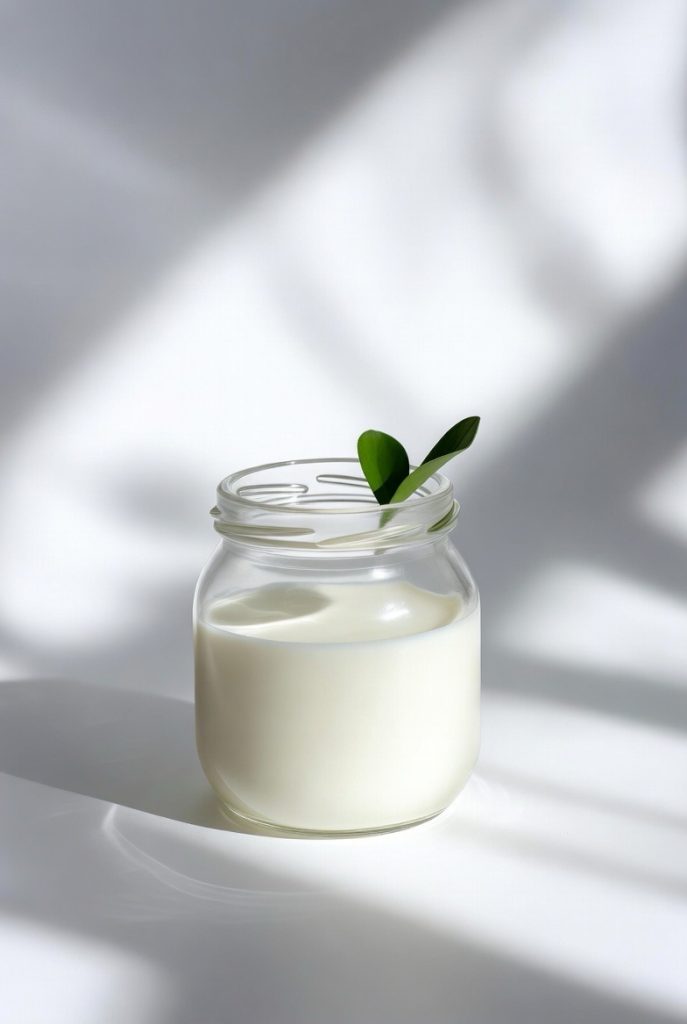
In an era of growing health and environmental awareness, traditional plastic yogurt packaging faces scrutiny for potentially leaching BPA and phthalates, contributing to endocrine concerns and massive waste. A clean packaging revolution is transforming the industry, with forward-thinking yogurt brands embracing sustainable, eco-friendly alternatives like reusable glass jars, paper-based composites, and certified BPA-free or phthalate-free materials to ensure safety and reduce ecological impact. Standout leaders include Nounós Creamery’s glass pots, Raglan Food Co’s glass-to-paperboard hybrids, Stonyfield Organic’s reduced-plastic pouches, Cocojune’s plastic-neutral coconut cups, and Forager Project’s recycled containers for cashewmilk yogurt. These brands prioritize transparency and innovation, setting themselves apart from competitors hit by lawsuits over chemical residues, and empowering consumers to choose plastic-free or low-impact options that support wellness and planetary health.
Long Version
Is Your Yogurt Plastic-Free? 5 Brands Leading the Clean Packaging Revolution
In an era where every bite we take carries implications for our well-being and the environment, the yogurt container has emerged as a focal point for scrutiny and change. Conventional plastic tubs, prized for their affordability and ease, are increasingly questioned for potentially releasing compounds like BPA and phthalates into the food they hold, raising alarms about long-term health effects and ecological harm. Yet, a transformative shift is gaining momentum: innovative yogurt brands are turning to materials such as glass, sustainable composites, and certified safe alternatives to BPA and phthalate-laden plastics, carving out a distinct edge over rivals entangled in legal and reputational challenges. This evolution reflects broader consumer priorities for eco-friendly food packaging that supports health goals without compromising convenience. Whether you’re a wellness enthusiast hunting for high-protein organic yogurt, a vegan exploring dairy-free options, or simply someone aiming for mindful choices, grasping these developments equips you to select products that resonate with your values. Let’s unpack the risks, innovations, and frontrunners in this yogurt packaging revolution, delivering fresh perspectives and practical guidance to elevate your daily routine.
Unpacking the Risks of Traditional Yogurt Packaging
Plastic has long reigned in the yogurt aisle for its practicality, but this dominance masks significant drawbacks. Many standard plastics incorporate bisphenol A (BPA) and phthalates to boost durability and flexibility. These substances can seep into the yogurt, particularly when exposed to heat fluctuations during shipping or storage. Scientific consensus links BPA to endocrine disruptions, which may influence hormone balance, fertility, and metabolic functions. Phthalates pose parallel concerns, with evidence associating them to developmental hurdles, respiratory issues, and heightened risks of certain chronic conditions.
The environmental burden is equally pressing. Plastic yogurt containers fuel the mounting crisis of waste, with only a small percentage recycled effectively, leading to persistent pollution in landfills and waterways. Microplastics from degraded materials have infiltrated ecosystems, even appearing in dairy and plant-based products. This has sparked consumer pushback, amplifying demand for plastic-free packaging that lessens planetary impact. The surge in dairy-free yogurt varieties, crafted from nuts, oats, or coconuts, heightens this call, as those embracing plant-based lifestyles often seek alignment with sustainable practices.
Legal repercussions further underscore the stakes. Notable cases, such as the 2025 class-action against a major brand for phthalate contamination despite “natural” labeling, reveal gaps between promises and reality. These disputes erode confidence, prompting shoppers to favor transparent alternatives. While not all plastics are inherently problematic—certified BPA-free and phthalate-free options exist—these incidents highlight the need for vigilance, balancing convenience with safety and sustainability.
Emerging Trends in Sustainable Yogurt Packaging
The yogurt industry’s pivot toward eco-friendly packaging stems from converging forces: heightened consumer awareness, stricter regulations, and material breakthroughs. Projections for 2026 highlight a boom in sustainable options, emphasizing reduced emissions, recyclability, and minimal waste. No longer a fringe pursuit, clean packaging serves as a competitive advantage, attracting everyone from eco-curious beginners to seasoned sustainability advocates.
Standout advancements include:
- Glass Yogurt Packaging: Renowned for its inert nature and endless recyclability, glass safeguards taste integrity without chemical migration. It suits premium organic yogurt, enhancing perceived value while supporting reusable habits.
- Paper-Based and Compostable Composites: Gaining ground in dairy-free yogurt lines, these incorporate FSC-certified paperboard or biodegradable elements, cutting carbon footprints and aligning with circular economy ideals.
- Certified BPA-Free and Phthalate-Free Plastics: For practicality, brands opt for recycled or bio-based plastics with verified safety seals, offering affordability alongside responsibility.
- Innovative Hybrids: Emerging biomaterials, like seaweed-derived coatings or mono-material films, promise enhanced barrier properties with lower environmental tolls.
These trends intersect with 2026 priorities, including AI-enhanced supply chain transparency and data-driven emission reductions. Companies adopting such strategies sidestep controversies like lawsuits, fostering enduring loyalty. For instance, low-carbon packaging tackles climate imperatives, while reusable formats promote conscious living. This landscape empowers diverse personas—beginners drawn to broad appeals, intermediates valuing mid-funnel education, and experts pursuing niche innovations—to find yogurt that fits seamlessly into their lives.
Profiling the Pioneers: 5 Brands Championing Clean Packaging
In a crowded market, select yogurt brands distinguish themselves through forward-thinking packaging that emphasizes health, ecology, and quality. These innovators outpace competitors mired in disputes by committing to verifiable practices, providing peace of mind. Below, we delve into five exemplars, each leveraging unique approaches to redefine standards.
1. Nounós Creamery: Glass and Hybrid Solutions for Authentic Strained Yogurt
Nounós Creamery excels with its dedication to glass yogurt packaging for single-serve portions, evoking artisanal charm while eliminating plastic-related risks. Their probiotic-rich, A2 milk-based yogurts are non-GMO and authentically strained, ideal for health-conscious intermediates prioritizing digestive wellness.
Their multifaceted strategy includes reusable glass pots and, for larger formats, sustainable cardboard-plastic hybrids that minimize material use and enhance recyclability. This shields them from phthalate scrutiny, establishing Nounós as a beacon of integrity amid industry challenges. Fans appreciate the jars’ versatility for storage, blending functionality with eco-appeal. For those seeking clean packaging brands, Nounós illustrates how heritage-inspired methods fuse with modern sustainability, sparking emotional connections through trust and tradition.
2. Raglan Food Co: Glass to Paperboard Transition for Versatile Ranges
Originating in New Zealand and expanding globally, Raglan Food Co blends glass jars with FSC-certified paperboard for their gourmet and kids’ offerings. This eco-friendly packaging revolution accommodates both dairy and plant-based yogurts, featuring organic ingredients that appeal to vegan seekers and families.
Shifting select lines to paperboard ensures scalability and consistency, particularly for export and institutional needs, while retaining glass for larger sizes to encourage home reuse. This adaptive model distances them from competitors’ chemical controversies, underscoring supply chain transparency. It resonates with trend followers, fueling shares via community-driven eco-stories. Shopper tip: Prioritize their labels denoting recyclable materials to amplify your support for genuine green initiatives.
3. Stonyfield Organic: Reduced-Plastic Pouches for Grassfed Goodness
A trailblazer in organic yogurt, Stonyfield advances sustainability with a 15% plastic reduction across products, employing mono-material polyethylene pouches that are recycle-ready and BPA-free. Their grassfed Greek and plain varieties source from pasture-raised cows, catering to organic enthusiasts focused on hormone-free, additive-free nutrition.
Stonyfield’s innovations, like exploring compostable elements, insulate them from phthalate scandals, aligning with 2026 circular trends through evidence-supported commitments. High protein profiles suit wellness routines, making it accessible for beginners. Key insight: Combine their yogurts with fresh produce for balanced snacks, and leverage their lightweight pouches for on-the-go ease, bridging affordability and ethics.
4. Cocojune: Plastic-Neutral Cups for Coconut-Based Alternatives
Cocojune shines in the dairy-free realm with certified plastic-neutral packaging, utilizing paper-based cups that slash plastic content by 75% via a minimal internal lining. Their organic coconut yogurts, free of additives, deliver creamy textures with probiotic benefits, targeting innovators in plant-based diets.
By offsetting plastic through partnerships, Cocojune navigates away from lawsuit vulnerabilities, especially as transparency demands rise. Seasonal ties, like wellness boosts during colder months, enhance virality in health circles. Why it captivates: Appeals to inclusivity and purity, with anticipated engagement in eco-forums. Advice: Choose unsweetened variants for maximal nutrition, minimizing waste through mindful portioning.
5. Forager Project: Recycled Plastics for Cashewmilk Mastery
Forager Project leads plant-based innovation with BPA-free, recyclable containers incorporating up to 98% post-consumer recycled plastic. Their organic, non-GMO cashewmilk yogurts emphasize gut health via live cultures, appealing to expert personas seeking probiotic potency.
Transparent material choices differentiate them from phthalate-plagued rivals, harmonizing with 2026 recycling mandates. Versatile formats support dynamic lifestyles, inspiring recipe experimentation. Perspectives: The smooth consistency complements fruits or grains, while regenerative sourcing adds ethical depth. For mid-funnel explorers, this brand opens doors to broader sustainable dairy alternatives.
These trailblazers not only innovate but catalyze industry-wide progress, proving that superior packaging elevates the entire yogurt experience.
Addressing Legal Challenges and Industry Shortcomings
The yogurt sector faces ongoing turbulence from high-profile phthalate contamination cases, such as the 2025 lawsuit against a leading brand for misleading “natural” claims. These stem from plastic leaching, damaging trust and triggering recalls. Affected competitors grapple with fallout, opening avenues for clean packaging adopters.
Mitigation requires robust testing and honest communication. Consumers benefit from third-party seals like USDA Organic, ensuring credibility. A nuanced view recognizes that certified safe plastics can serve as transitional tools toward fully green futures, provided they meet stringent standards. Guidance: Inspect symbols for recyclability, and champion brands forthcoming about their sustainability paths.
Selecting Yogurt That Aligns with Your Priorities
Transitioning to cleaner options is empowering with these strategies:
- Define Preferences: Beginners may favor versatile organic yogurt; experts might target specialized dairy-free or probiotic-enriched varieties.
- Scrutinize Details: Hunt for “plastic-free,” “BPA-free,” or “phthalate-free” indicators, cross-checked via brand ethos.
- Match to Routine: Glass for stationary enjoyment, pouches for mobility, hybrids for budget-savvy sustainability.
- Measure Broader Effects: Embrace reusable or low-impact designs; monitor evolving trends like biomaterial advancements.
- Experiment Thoughtfully: Trial smaller sizes to discover fits, assessing how packaging influences shelf life and usability.
These steps transform routine purchases into intentional acts of self-care and stewardship.
Forging a Sustainable Path Forward
The clean packaging movement in yogurt transcends fleeting fads—it’s a commitment to healthier, more ethical indulgence. Through glass innovations, paper composites, and certified alternatives, the spotlighted brands exemplify resilience against industry pitfalls, inspiring confidence. As 2026 ushers in heightened transparency and eco-focus, these selections enable us to nurture body and earth alike. From organic staples to dairy-free delights, each choice contributes to a ripple of positive change. Embrace this revolution: your next spoonful could spark a legacy of vitality and responsibility for all.