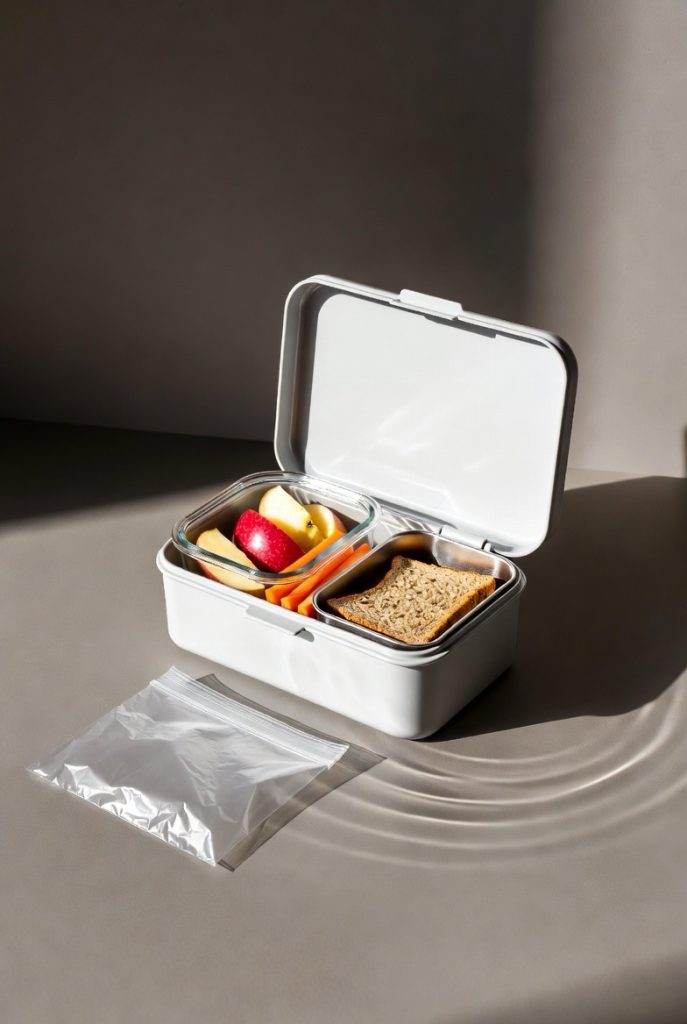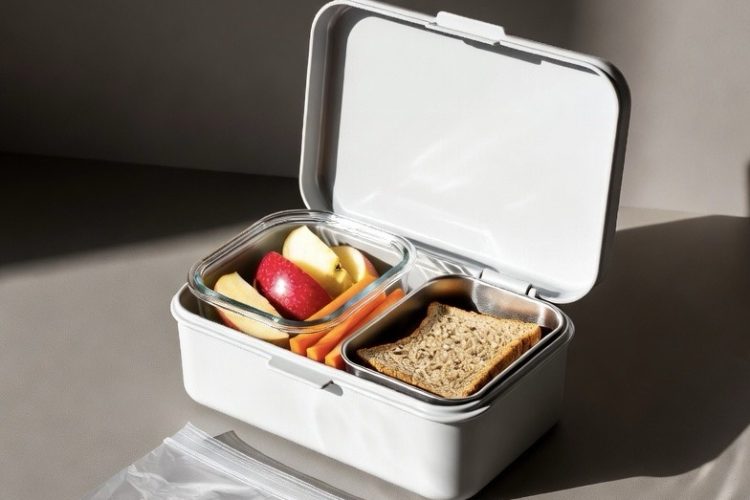
Parents can protect children from hormone disruptors in school lunches by understanding how endocrine-disrupting chemicals like BPA, phthalates, PFAS (forever chemicals), and styrene leach from plastic packaging, canned linings, and styrofoam into food, especially when heated or in contact with fatty or acidic items. Children’s developing bodies are particularly vulnerable to these low-dose toxins, which research links to developmental problems, early puberty, reproductive issues, obesity, diabetes, and thyroid disruptions. High-risk lunchbox staples include plastic-wrapped snacks, canned goods, yogurt cups, microwavable meals, and processed meats. Safer practices involve choosing fresh or minimally processed foods, using reusable glass or stainless steel containers, avoiding heating plastics, and opting for beeswax wraps or silicone pouches to minimize chemical migration and support healthier habits overall.
Long Version
Safer School Lunches: Protecting Your Kids from Hormone-Disrupting Packaging
As parents, we all want the best for our children—nutritious meals that power their days without hidden dangers. Yet, many everyday lunchbox staples, from plastic-wrapped snacks to canned fruits, can introduce hormone disruptors, also known as endocrine disruptors, through chemical leaching. These toxic chemicals interfere with the body’s natural hormone systems, potentially leading to developmental problems, reproductive issues, and metabolic challenges. Emerging research underscores the urgency: with over 3,600 food contact chemicals detected in humans, including phthalates and forever chemicals like PFAS, minimizing exposure is key. The silver lining? Simple, practical shifts to safer practices and fresh foods can drastically reduce risks, creating lunches that are both wholesome and protective. Let’s explore the science behind these threats, identify high-risk items, and arm you with actionable tips to build healthier habits.
The Science of Hormone-Disrupting Chemicals: How They Enter Our Food
Hormone disruptors, or endocrine-disrupting chemicals (EDCs), are substances that mimic, block, or alter hormones like estrogen, testosterone, and thyroid hormones. This interference can disrupt critical processes such as growth, metabolism, and immune function. Common EDCs in food packaging include bisphenol A (BPA), its substitutes like bisphenol S (BPS) and bisphenol F (BPF), phthalates for flexibility, PFAS for grease resistance, styrene from polystyrene, and volatile organic compounds (VOCs).
Chemical migration happens when these substances leach from packaging into food, accelerated by heat, acidity, or fatty content. For example, heating a plastic container or storing oily foods in styrofoam boosts leaching. Microplastics, tiny degraded particles, further compound the issue by carrying additional toxins. While adults may metabolize these low-dose toxins better, children’s rapid development makes them more susceptible—absorbing higher relative doses during sensitive windows like puberty or early childhood.
Recent studies highlight that mixtures of EDCs, rather than single exposures, amplify risks through non-monotonic responses, where even low doses trigger significant effects. For instance, PFAS mixtures have been linked to metabolic disruptions, while bisphenols show regrettable substitutions—BPS often proving as disruptive as BPA. Heavy metals like lead or cadmium in recycled materials add another layer, emphasizing the need for vigilance in ultraprocessed foods and pre-packaged items.
Everyday Sources: Tracing EDCs in School Lunch Packaging
School lunches amplify exposure due to on-the-go storage and varying temperatures. Plastic packaging dominates, with phthalates contaminating items via processing equipment. PFAS, dubbed forever chemicals for their persistence, coat wrappers for burgers, pizza boxes, and microwave popcorn, lingering in the body and environment. Epoxy resin linings in canned foods release bisphenols, especially into acidic contents like tomatoes.
Other culprits include:
- Styrofoam or expanded polystyrene (EPS) trays: Used in cafeterias, these leach styrene, a suspected carcinogen.
- Processed meats and cheeses in plastic trays: High fat draws out EDCs.
- Bottled beverages: Time and warmth increase BPA and microplastic release.
- Recycled plastics: May harbor residues, including VOCs.
In school environments, reheating or prolonged storage heightens chemical migration. Global data shows over 97% of people carry EDCs, with children exposed early through baby products extending into meals.
Health Risks for Children: From Immediate Effects to Long-Term Concerns
Children’s vulnerability stems from their size, behaviors like hand-to-mouth activity, and developmental stages. Prenatal and early exposure to EDCs can cause lasting harm. BPA and phthalates link to early puberty, reduced fertility, behavioral issues like hyperactivity, and neurodevelopmental compromises. PFAS associate with weakened immunity, lower birth weights, and increased cholesterol.
Metabolic effects include obesity, diabetes, and thyroid problems—phthalates disrupt insulin sensitivity, while bisphenols alter fat storage. Hormone interference raises risks for reproductive issues, infertility, and cancers later in life. Studies show intergenerational impacts, with EDC exposure potentially modifying DNA, affecting future generations.
Balanced views note variability: genetics, diet, and overall exposure influence outcomes. Not every low-dose contact causes harm, but cumulative effects from multiple sources—like food packaging, toys, and air—build up. Research on mixtures reveals combined EDCs heighten behavioral problems in preschoolers, with substitutes like BPAP and PFHxS contributing most. Prioritizing fresh or minimally-processed foods counters these by reducing packaging reliance.
High-Risk Lunchbox Staples: What to Watch and Why
Many convenient items pose elevated risks due to prone materials. Spot them via recycling codes: avoid #3 (PVC with phthalates), #6 (polystyrene), and #7 (bisphenols).
Key offenders:
- Plastic-wrapped chips or cookies: Flexible wrappers leach phthalates, especially warm.
- Canned fruits/veggies: Linings release bisphenols; acidic foods worsen it.
- Yogurt or pudding packs: Polystyrene cups risk styrene.
- Microwavable entrees: Heat drives EDC migration.
- Cheese sticks or pre-sliced fruits: Extra wrappings multiply exposure.
- Processed meats in trays: Grease-proof coatings contain PFAS.
- Juice boxes or pouches: Linings and plastics add bisphenols.
These contribute to low-dose toxicity, building over time. Shift to fresh alternatives to sidestep them.
Global Regulations and Gaps: What’s Being Done to Protect Us
Regulations vary, reflecting evolving science. In the EU, strict measures include bans on bisphenols in food contact materials like can coatings and bottles, PFAS thresholds in packaging, and CLP classifications for EDCs into categories based on evidence strength. Toys and cosmetics face similar restrictions, minimizing endocrine disruption.
The US lags: FDA deems BPA safe at low levels in food packaging, but critics argue it overlooks low-dose and mixture effects. EPA regulates some phthalates and PFAS, yet many remain in use. States like California lead with bans, but federal action is inconsistent. Globally, WHO and UN emphasize prevention, with costs of EDC-related health burdens estimated at $2.2 trillion annually, including lost births and chronic diseases.
Insights suggest a need for “essential use” approaches—limiting EDCs to unavoidable cases—and better testing for substitutes to avoid regrettable swaps. Parents can advocate for school policies favoring fresh foods and reusable containers.
Myths vs. Facts: Clearing Common Misconceptions
Misinformation abounds. Myth: “BPA-free” means safe. Fact: Substitutes like BPS mimic similar hormone interference. Myth: Only high exposures matter. Fact: Low-dose toxicity, especially in mixtures, drives risks. Myth: All plastics are equal. Fact: Materials vary; glass and stainless steel avoid leaching entirely.
Balanced perspectives acknowledge EDCs’ ubiquity but stress manageable reductions through informed choices.
Practical Strategies: Actionable Tips for Safer Lunches
Empower change with these evidence-based steps, focusing on reduce plastic usage and embrace fresh foods:
- Opt for whole foods: Fruits, veggies, and homemade items skip packaging.
- Skip heating plastics: Transfer to glass; pack ambient-temperature meals.
- Label check: Seek certified safe FCMs beyond “BPA-free.”
- Reusable swaps: Glass jars for dips, stainless steel for mains.
- Limit cans and processed: Rinse if used; prefer glass alternatives.
- Safe hydration: Stainless steel bottles filter out VOCs.
- Prep wisely: Use non-toxic cookware; focus on low-acid/low-fat to curb migration.
- Involve family: Make it fun—kids learn why fresh matters.
These foster nutrition while slashing EDCs, potentially lowering obesity and diabetes risks.
Innovative Alternatives: Upgrading Your Lunch Toolkit
Beyond basics, explore durable, kid-approved options:
Packaging Innovations
- Stainless steel bento boxes: Leak-proof, portioned; non-reactive.
- Beeswax or fabric wraps: Natural, compostable for sandwiches.
- Food-grade silicone pouches: Flexible without phthalates.
- Glass containers with bamboo lids: Eco-friendly, microwave-safe sans lids.
- Aluminum foil sparingly: Recyclable, PFAS-free for non-acidic items.
Lunch Bag Upgrades
Fabric bags from cotton or recycled materials offer breathability over plastic. Insulated wool options keep cool without synthetics.
Creative Recipes for EDC-Free Meals
- Veggie hummus boats: Fresh produce in reusable cups.
- Nut butter fruit rolls: Beeswax-wrapped for portability.
- Quinoa salads: In glass jars, minimizing contact.
- Homemade energy bites: Bulk nuts/seeds in fabric bags.
- Skewered snacks: No wrapping needed.
These integrate safer practices, reducing reliance on ultraprocessed foods laced with forever chemicals.
Long-Term Habits: Building Sustainability and Advocacy
Extend beyond lunches: Advocate for school fresh food programs, reducing canned and packaged reliance. Track family progress—small swaps compound. Consider cumulative exposure: Combine with EDC-free home products for holistic protection.
Innovative analysis shows early interventions yield generational benefits, countering infertility and metabolic trends.
Empowering the Next Generation: A Healthier Path Forward
Safeguarding against hormone disruptors in school lunches demands awareness but delivers profound rewards. By grasping EDC science, dodging high-risk staples, and adopting reusable containers with fresh foods, you shield kids from endocrine disruption’s far-reaching effects—from developmental problems to chronic conditions. Regulations evolve, but personal choices lead the way.
Start simple: One swap today builds resilience tomorrow. Your actions nurture not just bodies but futures free from toxic chemicals’ grasp. Here’s to lunches that truly sustain.