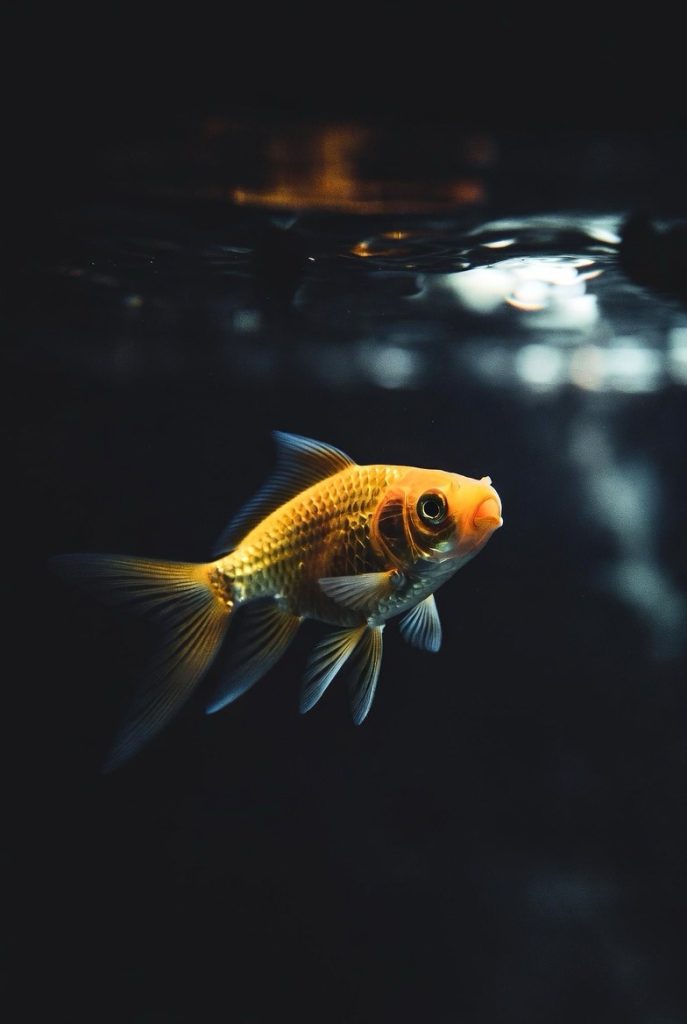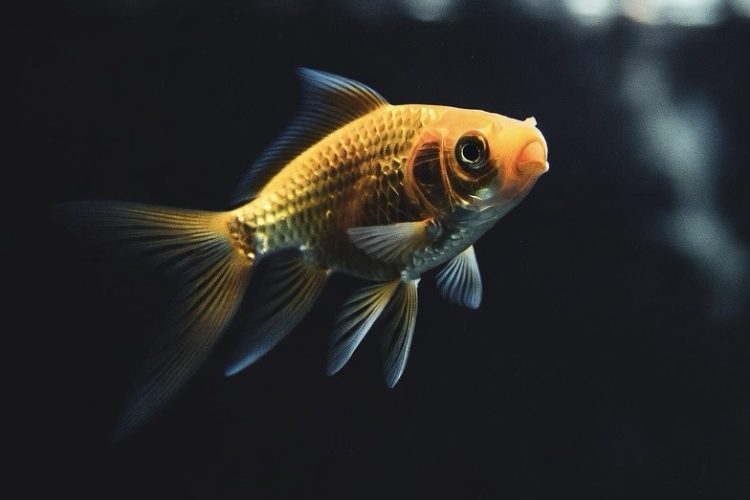
In an extraordinary tale of resilience from Japan’s Shima Marineland, a tiny 1cm goldfish intended as live bait for a massive arapaima predator escaped through a narrow pipe into an adjacent filtration tank around 2008. There, in pitch-black darkness and complete isolation, this plucky miracle goldfish survived for seven years by feeding on stray food scraps and debris filtered from the main exhibit, growing impressively to 25cm (about 10 inches) despite fading coloration from lack of light. Discovered in 2015 during a routine clean, the hardy survivor showcased goldfish’s remarkable survival instincts, including tolerance for low oxygen, sparse nutrition, and solitude—traits rooted in their carp ancestry that allow lifespans of 10–30 years with proper care. Though Shima Marineland closed in 2021, this inspiring story highlights the species’ adaptability, the unintended microhabitats in aquarium filtration systems, and valuable lessons in ethical feeding practices and robust tank maintenance for pet owners.
Long Version
The Extraordinary Survival of the Miracle Goldfish: A Tale of Resilience at Japan’s Shima Marineland
In the realm of aquatic wonders, few stories capture the imagination quite like that of a humble goldfish defying impossible odds. At Shima Marineland, a once-vibrant aquarium in Japan’s Mie Prefecture, a tiny feeder fish escaped its fate as live bait for a massive predator and endured seven years of isolation in a pitch-black filtration tank. This plucky goldfish, growing from a mere 1cm to an impressive 25cm—roughly 10 inches—while subsisting on stray food scraps, became known as the miracle goldfish. Its discovery during a routine clean highlighted not only the remarkable survival instincts of goldfish but also the unintended havens created by modern aquarium systems. Though Shima Marineland has since closed its doors, this narrative endures as a testament to nature’s tenacity, offering insights into fish biology, aquarium design, and the hidden lives within marine parks.
The Legacy of Shima Marineland: A Hub of Marine Education and Entertainment
Shima Marineland, nestled within the scenic Shima Spain Village resort complex, opened its gates in 1970 as a beacon for ocean enthusiasts. For over five decades, it served as a key attraction in Mie Prefecture, drawing families and scholars alike with its diverse exhibits that showcased the intricacies of aquatic ecosystems. The aquarium was renowned for its ocean sunfish displays, where these colossal, gentle giants floated serenely, captivating visitors with their otherworldly shapes. Other highlights included penguin habitats, jellyfish zones, and interactive sessions with ama divers—traditional Japanese female free divers—who demonstrated feeding techniques in large tanks teeming with sharks, yellowtail, and other species.
At its peak, Shima Marineland emphasized education on marine biodiversity and conservation, housing around 2,500 specimens across 50 species in its main exhibit tank. The ancient aquarium section featured fossilized sea creatures, providing a glimpse into the evolutionary history of ocean life. Behind the scenes, sophisticated water filtration systems ensured pristine conditions, recycling water through biological, mechanical, and chemical processes to mimic natural habitats. These units, often operating in dark, enclosed spaces, were crucial for maintaining oxygen levels, removing debris, and supporting the health of exhibits like the arapaima tank—a showcase for one of the world’s largest freshwater predators.
However, by the early 2020s, financial strains and an aging infrastructure led to the aquarium’s closure in March 2021. Declining visitor numbers, exacerbated by global events, sealed its fate, leaving behind memories of its innovative displays and unexpected discoveries. The miracle goldfish story, emerging in 2015, remains one of its most enduring legacies, illustrating how even in a controlled environment, nature can surprise us with feats of escape and endurance.
The Unlikely Escape: From Predator’s Prey to Hidden Survivor
The saga began around 2008, when Shima Marineland still used live bait to feed its arapaima exhibit. Arapaima, native to the Amazon River, are formidable predators growing over two meters long, with scales like armor and a voracious appetite. To simulate natural feeding behaviors and provide nutritional enrichment, staff introduced small goldfish into the tank. One such fish, a standard 1cm specimen, was tossed in as a quick meal.
But this goldfish had other plans. Exploiting a minuscule gap in the tank’s plumbing—a narrow pipe connecting to the adjacent filtration unit—it slipped away undetected. This escape route, perhaps only a few millimeters wide, led to a larger filtration tank where water from the main exhibit was processed. Around the same time, the aquarium transitioned from live feeders to standard fish food pellets, marking a timeline that later helped estimate the fish’s isolation period at approximately seven years.
In this new hideout, the goldfish faced a drastically altered existence: total darkness, solitude, and an unpredictable food supply. Yet, it adapted remarkably. The filtration system’s constant water flow carried in food scraps—uneaten pellets, organic debris, and fish waste from the arapaima exhibit—providing just enough sustenance. Over time, the fish’s body transformed; deprived of light, its vibrant orange hue faded to a pale yellow, a common adaptation in goldfish where pigmentation relies on environmental stimuli. This solitary confinement in the dark filtration tank turned the feeder fish into a symbol of plucky resilience, outsmarting both its predator and the aquarium’s oversight.
Decoding Goldfish Biology: Adaptations for Extreme Survival
Goldfish, scientifically known as Carassius auratus, are far from the fragile pets of childhood lore. Descended from wild carp in ancient China, where they were selectively bred for color and form over 1,000 years ago, modern goldfish are hardy survivors. In optimal conditions, they can live 10 to 30 years, with records reaching 41 years in the wild. Their ability to thrive in suboptimal environments stems from evolutionary traits honed in variable freshwater habitats.
One key adaptation is their tolerance for low-oxygen conditions. Goldfish can survive short anoxic periods by shifting to anaerobic metabolism, producing ethanol instead of lactic acid—a trick that allows them to endure frozen ponds or stagnant waters. In the filtration tank, the system’s aeration likely maintained minimal oxygen, preventing suffocation. Their efficient metabolism also enabled survival on sparse nutrition; goldfish can slow their growth and energy use when food is scarce, prioritizing longevity over size.
Darkness posed another challenge, but goldfish are equipped for it. Prolonged lack of light causes depigmentation, as seen in this miracle goldfish, turning them pale or grayish. This isn’t detrimental; it’s a reversible response to conserve energy, similar to cave-dwelling fish that evolve blindness and albinism over generations. Behaviorally, goldfish exhibit strong survival instincts, schooling for protection in the wild but adapting to isolation when necessary. Their opportunistic feeding—scavenging scraps—mirrors wild carp behaviors, allowing them to exploit niches like the filtration unit’s debris flow.
Temperature plays a role too; cooler waters in the tank would have reduced metabolic demands, extending survival. Goldfish also possess a robust immune system, resisting infections in filtered, albeit dark, environments. These traits explain how a tiny escapee grew to 25cm, nearly a pound, defying expectations in pitch-black isolation.
Inside Aquarium Filtration Systems: The Accidental Lifeline
Aquarium filtration systems are engineering marvels designed to replicate nature’s water cycles, but they can inadvertently create microhabitats for unintended residents. At Shima Marineland, the setup likely included a multi-stage process: mechanical filters to trap large debris, chemical media to remove toxins, and biological filtration for breaking down waste.
Biological filtration is the powerhouse, hosting beneficial bacteria like Nitrosomonas and Nitrobacter. These microbes convert toxic ammonia from fish waste into nitrite, then safer nitrate, in a process called the nitrogen cycle. In the filtration tank, this created a stable environment where the goldfish could persist. The constant water turnover ensured oxygenation, while food scraps provided nutrients without overwhelming the system.
Mechanical components, such as sponges or gravel beds, capture particles, but in large units like those at marine parks, they can harbor hidden spaces. The miracle goldfish’s hideout was probably a chamber where water slowed, allowing settlement of edible matter. This underscores a design irony: while filtration units are meant to clean, their dark, flowing interiors can support life, especially for adaptable species like goldfish.
For home aquarists, this highlights the importance of robust filtration. Goldfish produce significant waste, requiring systems rated for at least twice the tank’s volume. Sponge filters, hang-on-back models, canisters, or sumps each offer benefits—sponges for gentle flow suited to goldfish’s fancy varieties, canisters for heavy bioloads. Yet, as this story shows, even advanced systems need regular maintenance to avoid surprises.
Echoes of Survival: Similar Tales from the Aquatic World
The miracle goldfish isn’t alone in its defiance; nature abounds with stories of fish thriving in unexpected places. In Montana’s hot springs, introduced goldfish have adapted to warm waters, forming populations despite the heat. These thermal environments, too extreme for many species, become havens for hardy invaders, much like the filtration tank’s controlled chaos.
Escaped farmed salmon in Puget Sound offer another parallel. In 2017, a net pen collapse released thousands of Atlantic salmon into Pacific waters, where they competed with natives but demonstrated remarkable adaptability. Some survived months, navigating new ecosystems and finding food sources, echoing the goldfish’s opportunistic scavenging.
Urban legends of sewer alligators stem from released pets, but real cases include tropical fish surviving in drainage systems. In Florida, discarded aquarium species like oscars and cichlids populate canals, enduring fluctuating conditions through resilience similar to goldfish. Cavefish, naturally blind and depigmented, parallel the miracle goldfish’s dark adaptation, evolving over generations to forage without sight.
These narratives reveal a common thread: fish’s innate drive to exploit niches, whether a filtration unit, hot spring, or urban waterway. They challenge perceptions of fragility, showing how survival instincts propel even common species to extraordinary feats.
Ethical and Practical Lessons: Rethinking Aquarium Practices
The miracle goldfish’s odyssey prompts reflection on aquarium ethics and management. Using live bait, once common at places like Shima Marineland, raises welfare concerns; transitioning to pellets, as they did, aligns with modern standards prioritizing humane treatment. This incident also exposes gaps in maintenance—infrequent deep cleans allowed the fish to remain undetected, suggesting protocols for thorough inspections.
For pet owners, the story debunks myths of short-lived goldfish. With proper care—spacious tanks (at least 20 gallons per fish), quality filtration, balanced diets, and regular water changes—these creatures can flourish for decades. Avoid overcrowding, which stunts growth, and monitor for signs of stress like faded color, indicating poor conditions.
Broader implications touch on conservation: escaped aquarium fish can become invasives, disrupting ecosystems. Responsible ownership means never releasing pets into the wild. In marine parks, designs should minimize escape routes while maximizing animal well-being, perhaps incorporating advanced monitoring to prevent such oversights.
Scientifically, it underscores goldfish as models for studying adaptation. Their responses to darkness, low food, and isolation inform research on stress, metabolism, and longevity, with applications to aquaculture and wildlife management.
A Lasting Legacy of Tenacity
The miracle goldfish’s seven-year survival in Shima Marineland’s filtration tank stands as an emblem of life’s unyielding spirit. From a doomed feeder fish evading an arapaima predator to a grown survivor in dark isolation, its journey weaves together biology, technology, and serendipity. Though the aquarium has closed, this plucky tale inspires, reminding us that even in engineered worlds, nature finds ways to thrive.
For enthusiasts, it’s a call to nurture with knowledge: understand your goldfish’s needs, harness effective filtration, and celebrate their resilience. In the end, this ordinary fish’s extraordinary hideout reveals the profound wonders hidden in the everyday aquatic realm, urging us to look closer at the survival instincts that pulse beneath the surface.