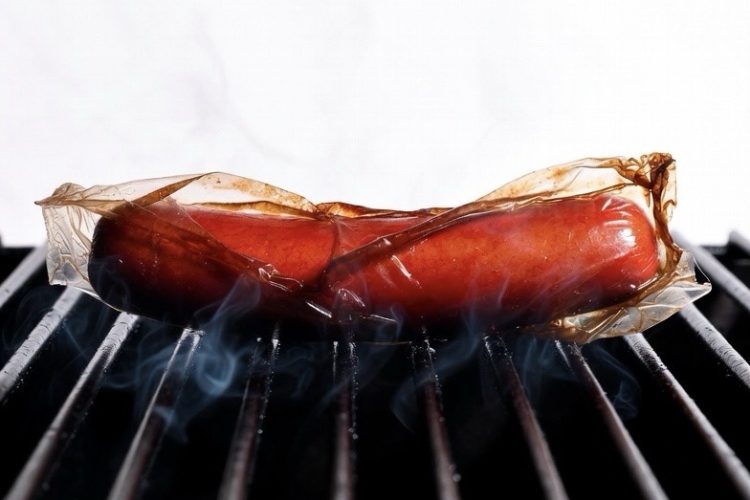
Grilling hot dogs in their plastic packaging might seem like a quick shortcut for juicy results, but it seriously compromises safety by releasing toxic chemicals and microplastics into the food when exposed to high heat. Common wrappers, typically made from polyethylene, degrade under grill temperatures, leaching endocrine-disrupting substances like BPA, phthalates, and persistent PFAS that can interfere with hormones, accumulate in organs, and contribute to long-term health risks including cancer, liver damage, and immune issues. Microplastics shed during heating embed in the meat, triggering inflammation and adding to the cumulative burden already present in processed foods. Always removing the packaging before cooking eliminates these hazards entirely; instead, choose quality hot dogs, preheat to medium heat, and use simple techniques like scoring or two-zone grilling for even, flavorful results without the dangers. This mindful approach ensures safer, healthier barbecues while minimizing environmental plastic pollution.
Long Version
The Hidden Dangers of Grilling Hot Dogs in Plastic Packaging: Your Ultimate Guide to Safer Barbecues
Picture this: a warm summer evening, the sizzle of the grill, and the irresistible aroma of hot dogs cooking. For many, hot dogs are the epitome of effortless outdoor dining—affordable, versatile, and beloved at gatherings. Yet, a seemingly innocent shortcut like grilling hot dogs directly in their plastic packaging can introduce unseen perils. This practice triggers the release of toxic chemicals and microplastics into your food, heightening risks such as cancer, hormonal imbalances, and organ damage. In this exhaustive resource, we’ll dissect the science, debunk persistent myths, examine health implications from multiple perspectives, and equip you with foolproof strategies for grilling hot dogs safely. By the end, you’ll have the knowledge to transform your cookouts into healthier, more enjoyable experiences without compromising on taste.
Common Misconceptions About Grilling Hot Dogs in Packaging
Many home cooks fall into the trap of grilling hot dogs without removing the wrapper, often influenced by online trends or outdated advice. One prevalent myth is that the plastic acts as a protective barrier, steaming the hot dogs for extra juiciness while preventing them from drying out or sticking. In truth, this overlooks the fundamental incompatibility of most food packaging with high heat. Hot dog wrappers, typically crafted from polyethylene or similar synthetics, are engineered for refrigeration and transport, not the intense flames of a grill.
Another angle stems from confusion with natural casings. Traditional sausages sometimes feature edible collagen or cellulose skins that withstand cooking, leading some to assume modern plastic equivalents behave similarly. Social media amplifies this, with videos showcasing “hassle-free” methods that gloss over the dangers. However, even brief exposure to grill temperatures—often surpassing 400°F—can cause partial melting or degradation, far from the controlled conditions of microwave-safe labels.
Consider the “it’s only for a minute” rationale: quick heating supposedly minimizes harm. Yet, heat transfer happens rapidly, and variables like grill type, wind, or uneven flames can accelerate contamination. Broader cultural factors play a role too—busy lifestyles push for shortcuts, but this ignores long-term consequences. By challenging these ideas with evidence, we pave the way for informed habits that prioritize safety alongside convenience.
The Physics and Chemistry of Heat on Plastic Packaging
Understanding what occurs when plastic meets grill heat requires delving into material science. Hot dog packaging consists of thermoplastics that soften and restructure above certain thresholds. On a grill, direct contact with flames or hot grates initiates thermal decomposition, where polymer chains break apart.
This process, known as pyrolysis in extreme cases, generates volatile compounds and particulate matter. For instance, polyethylene, a common wrapper material, begins degrading around 300°F, releasing hydrocarbons and other byproducts. The grill environment exacerbates this: radiant heat from coals or gas burners, combined with convective air flow, ensures uneven but thorough exposure.
Microplastics formation ties into this degradation. As the plastic warps, microscopic fragments shear off, ranging from visible flakes to nanoplastics invisible to the eye. Research highlights how mechanical stress—from flipping or pressing—compounds shedding, potentially releasing millions of particles per session. Fat content in hot dogs acts as a solvent, drawing these contaminants deeper into the meat.
Comparatively, other cooking methods like boiling or microwaving pose similar but distinct risks; grilling’s open flame introduces charring, which can bind toxins to the surface. Factors influencing severity include plastic thickness, additives for color or flexibility, and even humidity, which might slow or speed reactions. Grasping these dynamics reveals why removing packaging isn’t optional—it’s essential for contaminant-free meals.
Key Toxic Chemicals Released and Their Sources
Heating plastic unleashes a spectrum of chemicals, each with unique origins and migration paths into food. Bisphenol A (BPA), a building block in some polycarbonates, leaches readily under heat, especially into fatty substances like hot dog emulsions. Used historically for durability, BPA persists in older or imported packaging despite phase-outs in many regions.
Phthalates, added as plasticizers to enhance flexibility, follow suit. These compounds volatilize or dissolve when temperatures rise, contaminating food with ease. Per- and polyfluoroalkyl substances (PFAS), dubbed “forever chemicals” for their persistence, appear in grease-resistant liners. Grill heat disrupts their bonds, allowing transfer to moist, warm surfaces.
Additional culprits include styrene from foam-like materials and antimony catalysts in PET plastics. Styrene evaporates as a gas, potentially inhaling during cooking, while antimony leaches into acidic environments. If chlorine-based plastics are involved, dioxin formation—a potent carcinogen—becomes a concern amid smoke and incomplete combustion.
Exposure levels vary: thicker wrappers might delay release, but prolonged grilling amplifies it. Not all plastics are equal—recyclable codes like #1 (PET) or #2 (HDPE) indicate varying stability, but none are grill-approved. Minimizing these risks starts with awareness of packaging labels and opting for alternatives free of such additives.
The Pervasive Issue of Microplastics in Food
Microplastics in food represent a growing environmental and health challenge, with grilling in plastic serving as a direct contributor. These particles, under 5mm, originate from wrapper breakdown during heating, shedding through abrasion, melting, or chemical erosion.
In a hot dog context, the meat’s texture—porous and emulsified—traps particles effectively, turning each bite into a potential ingestion point. Beyond grilling, microplastics infiltrate via supply chains: contaminated water in processing or additives in feed for livestock-based hot dogs. Heat intensifies release; studies show microwave-equivalent scenarios liberate billions of nanoplastics, a scale applicable to grills.
Once ingested, microplastics persist, accumulating in tissues. Their jagged shapes can cause physical irritation, while serving as carriers for adsorbed toxins from the environment. Broader sources include cutting boards, teabags, or even salt, but personal cooking choices offer immediate control. Shifting to plastic-free habits reduces this burden, aligning with global efforts to curb pollution.
Comprehensive Health Risks: Short-Term and Cumulative Effects
The health risks of ingesting these contaminants unfold across timelines, affecting multiple systems. Immediately, melted plastic residues might cause gastrointestinal distress—irritation, nausea, or blockages if fragments are large. Inhaled vapors from degrading wrappers can trigger respiratory symptoms, particularly in poorly ventilated spaces.
Chronically, toxic chemicals like BPA and phthalates act as endocrine disruptors, mimicking estrogen and interfering with hormone regulation. This links to reproductive challenges, such as reduced fertility or developmental issues in offspring, alongside metabolic shifts like insulin resistance. PFAS bioaccumulate, associating with liver dysfunction, immune weakening, and thyroid disorders.
Microplastics induce inflammation and oxidative stress, cellular processes that underpin chronic diseases. Emerging evidence connects them to cardiovascular events, like increased heart attack risk, and neurological impacts via blood-brain barrier crossing. Cancer associations arise from DNA damage and mutation promotion, with organs like the colon or lungs at higher vulnerability.
Hot dogs’ inherent risks—high sodium, nitrates forming nitrosamines—compound these, elevating colorectal cancer odds. Vulnerable populations, including children with developing systems or elderly with compromised detoxification, face amplified threats. Balanced views note that single exposures are unlikely catastrophic, but habitual patterns build cumulative harm. Lifestyle factors, like diet diversity, mitigate some effects, emphasizing prevention over reaction.
Beyond Health: Environmental and Ethical Considerations
Grilling hot dogs in plastic extends impacts beyond personal health. Discarded wrappers contribute to plastic pollution, breaking down into microplastics that enter ecosystems. Wildlife ingests these, disrupting food chains and returning contaminants to human plates via seafood or agriculture.
Ethically, choosing sustainable options reflects broader responsibility. Plant-based hot dogs, often packaged minimally, reduce animal agriculture’s footprint while avoiding some chemical risks. Consumer demand drives industry shifts toward biodegradable wrappers, fostering innovation in eco-friendly materials.
Regulatory landscapes vary: some regions ban certain additives like BPA in food contact items, but enforcement lags. Advocating for transparency—through labeling or sourcing from certified brands—empowers choices. This holistic lens transforms grilling from a simple act to a mindful practice benefiting health and planet.
Proven Strategies for Grilling Hot Dogs Safely and Deliciously
Mastering safe grilling hot dogs begins with preparation: always unwrap completely, inspecting for any residue. Select high-quality options—organic, nitrate-free, or turkey-based for lower processed meat risks.
Technique is key. Establish a two-zone grill: direct high heat for searing, indirect medium (350-400°F) for even warming. Score skinless hot dogs lightly to prevent bursting and promote char. Grill for 4-6 minutes, rotating frequently, until internal temperature hits 165°F for bacterial safety.
Enhance with these practices:
- Marinate mindfully: A quick soak in mustard or beer adds flavor without excess sodium.
- Accessory aids: Use cedar planks or veggie baskets to contain without plastics.
- Temperature tools: Invest in a thermometer for precision, avoiding overcooking that forms harmful compounds.
- Alternative methods: For indoor options, pan-sear or air-fry to mimic grill results safely.
- Storage smarts: Refrigerate opened packs in glass for up to a week, freezing extras in eco-bags.
Pair with fresh sides—grilled veggies or salads—to balance nutrition. Experimenting with global twists, like Korean-inspired toppings, keeps things exciting while maintaining safety.
Empowering Your Choices: Key Takeaways for Lasting Wellness
Grilling hot dogs in plastic packaging unleashes toxic chemicals and microplastics, posing multifaceted health risks from immediate irritation to long-term issues like cancer and organ damage. We’ve examined myths, scientific mechanisms, chemical profiles, microplastic dynamics, health ramifications, environmental ties, and practical alternatives. Ultimately, awareness fuels change: by ditching wrappers, refining techniques, and embracing quality ingredients, you elevate barbecues to safe, sustainable delights. Commit to these insights for meals that nourish body and spirit, ensuring every gathering is memorable for the right reasons.